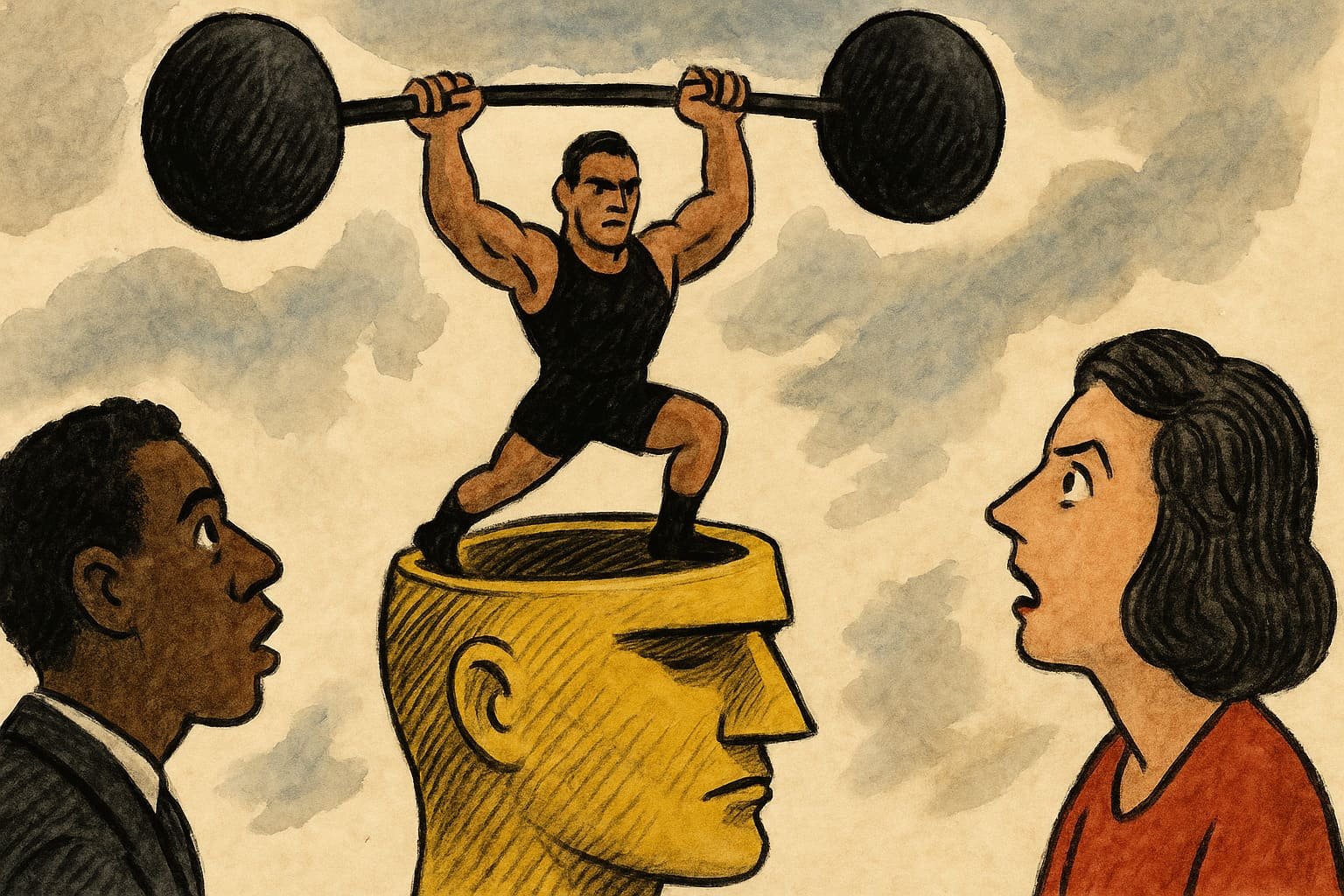
Pressure has a peculiar way of exposing the truth. It strips away polished speeches, expensive suits, and carefully crafted reputations until only character remains. Markets crash without warning. Competitors launch disruptive ideas overnight. Trusted plans suddenly fail. In those moments, the strongest advantage is rarely superior technology or greater funding. It is a disciplined mind that refuses to surrender to panic. Businesses rise and fall on strategy, but strategy survives only when guided by emotional resilience rather than emotional reaction.
Many people mistake mental toughness for emotional suppression. They imagine resilient leaders never feel fear, disappointment, or uncertainty. Reality tells a different story. Exceptional executives experience the same emotions as everyone else. The difference lies in how they respond. Instead of allowing feelings to dictate decisions, they acknowledge them, process them, and return their focus to facts. A calm mind becomes a competitive asset because it sees opportunities where panic sees only disaster.
During the financial crisis, many organizations reacted by making desperate cuts that weakened their future. Others paused, studied the landscape, and invested carefully while competitors retreated. Companies such as Airbnb also faced moments of extraordinary uncertainty during the global pandemic. Its leadership made painful decisions but remained focused on rebuilding the business instead of protecting pride. That measured approach helped the company emerge stronger. Resilience does not eliminate hardship. It transforms hardship into preparation for the next chapter.
Omar led a manufacturing company that suddenly lost its largest customer. Employees expected layoffs, suppliers anticipated delays, and rumors spread faster than official updates. Instead of disappearing behind closed doors, he gathered the team and shared the reality with remarkable honesty. The room fell silent. Then something unexpected happened. Engineers proposed new product ideas, sales teams opened overlooked markets, and long-time clients increased their support. Confidence returned because courage replaced confusion.
Mental strength grows through repeated exposure to discomfort. Athletes understand this instinctively. Muscles become stronger only after resistance challenges them. Leadership follows the same principle. Difficult conversations strengthen communication. Strategic failures sharpen judgment. Uncertainty develops patience. Picture the quiet tension before a major presentation, the faint scent of fresh coffee lingering in an empty office, or the rhythmic tapping of fingers while waiting for a life-changing decision. Those ordinary moments quietly build extraordinary resilience.
Psychologist Angela Duckworth describes grit as sustained passion combined with perseverance toward meaningful goals. That idea resonates across business because success rarely belongs to the most naturally gifted. It often belongs to those who remain committed when progress slows and recognition disappears. Markets reward consistency far more often than bursts of brilliance. A steel mind understands that temporary setbacks do not erase long-term vision. Every challenge becomes information instead of personal defeat.
Strong leaders also protect their minds from unnecessary noise. Endless news cycles, constant notifications, and comparison through social media quietly weaken focus. Strategic thinking requires mental space. Some of the best ideas emerge during silent walks, thoughtful reading, or conversations free from digital interruption. Clarity grows where distraction ends. Organizations benefit when leaders think deeply before acting quickly. Calmness is not weakness. It is controlled strength waiting for the right moment to move.
Somewhere, another entrepreneur is facing a setback that feels impossible to overcome. The future appears uncertain, confidence has been shaken, and easier paths seem inviting. Yet history quietly reminds us that greatness is rarely forged during comfort. It is shaped in moments when ordinary people decide that temporary defeat will not become permanent identity. Steel is strengthened by fire, not sheltered from it. When the pressure rises, let your mind become the strongest thing in the room.
