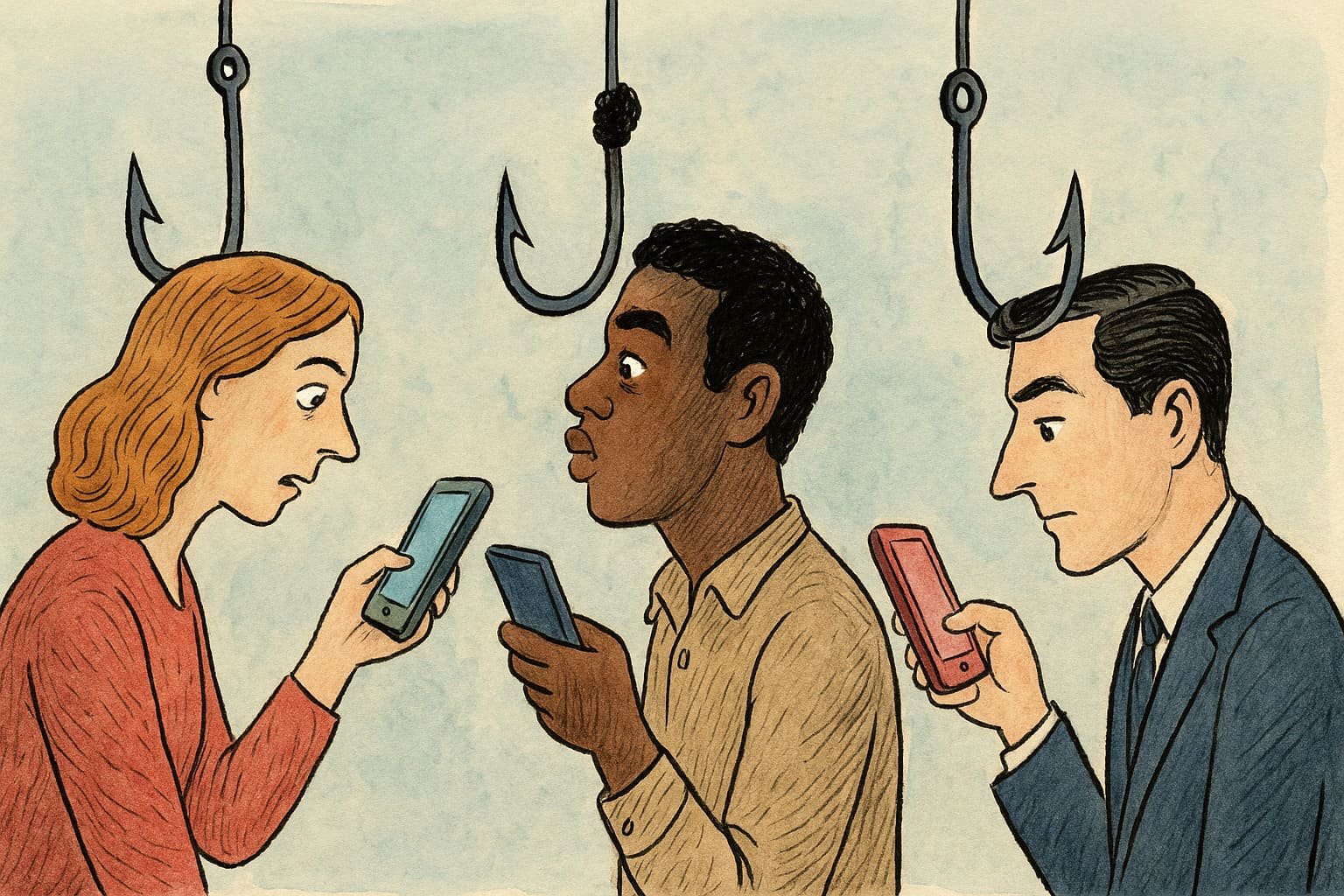
You don’t fall in love with an app because of its onboarding tutorial. You fall in love because the heart on your post pulses just a little when someone likes it. You stay because the “send” button gives a subtle bounce, like it can’t wait to deliver your message. You don’t even notice these things at first, but your brain does. Micro-interactions are the unsung heroes of digital experiences; those tiny design elements that make apps feel alive, human, and addictive. In a world flooded with choices, users don’t stay because of features; they stay because of feeling. This article reveals how micro-interactions whisper in pixels and scream in retention metrics.
Quick Notes
- Micro-interactions are tiny details with massive impact. They define how users emotionally connect with your product.
- Great micro-interactions are functional, not decorative. They clarify purpose, reduce friction, and build trust.
- Designers at top companies use micro-interactions to differentiate their products and guide behavior without instruction.
- Every well-crafted micro-interaction creates habit loops, subtly reinforcing user engagement through feedback and satisfaction.
- The future of design is emotion-driven. In this economy of attention, micro-interactions are your product’s secret weapon.
Designing the Pulse: Why Micro-Interactions Matter More Than Features
Features win demos; micro-interactions win hearts. When people talk about great products, they rarely mention technical specs; they talk about how those products made them feel. A well-timed animation, a comforting click sound, or a delightful hover effect can transform mundane tasks into moments of joy. These experiences create the emotional glue that bonds users to interfaces long after the novelty of a feature wears off.
Consider the Twitter heart animation. It explodes with delight the moment it’s tapped, rewarding the user emotionally for engagement. That tiny effect triggers a small dopamine hit, like a high-five from the interface itself. It’s micro-interactions like this that create lasting impressions, even if they go unnoticed on the surface. Unlike large redesigns or new features, these moments are easy to ship, test, and iterate on yet they punch way above their weight.
Designers often fall into the trap of overbuilding, thinking more functionality means more value. But real value lies in frictionless, emotionally rich experiences. People forget what you said and what you did, but they rarely forget how you made them feel. In digital design, that feeling often lives in the micro.
If your product isn’t loved, it won’t be used. And if it isn’t used, it can’t grow. Micro-interactions aren’t decorative sprinkles; they’re foundational to how a product breathes, reacts, and connects with its users. That alone should vault them from afterthought to strategic asset.
The Psychology of Delight: Building Habit Through Feedback
At their core, micro-interactions are behavioral nudges. They’re invisible strings that pull users toward desired actions, reinforcing patterns without the need for conscious thought. When executed with empathy, they tap into our psychology in a way that keeps us coming back.
Every click, tap, or swipe offers an opportunity to reward. That reward can be visual, like a bounce; auditory, like a ping; or haptic, like a vibration. These signals validate action and reduce uncertainty. It’s not magic; it’s neuroscience. The brain responds to immediate, positive feedback by seeking to replicate the behavior.
Take Instagram Stories. The loading circle around a profile picture isn’t just decorative. It’s a cue, a hook, a nudge that says “there’s something new here.” That small visual loop creates urgency and instills curiosity. Before you know it, you’re 30 minutes deep into content you didn’t plan to watch.
Micro-interactions help close the feedback loop in the user journey. Without them, experiences feel cold, static, or unfinished. But add a satisfying tick when a task is complete, and suddenly the system feels trustworthy and responsive. It’s about acknowledging the user saying, “Hey, I see you. That worked. You’re doing great.”
Designers aren’t just shipping UI; they’re shaping behavior. Every frictionless flow, every visual cue, every haptic bump is a vote cast toward user retention or churn. The smallest gestures often carry the most weight.
Real World Magic: Brands Who Got It Right
Apple’s Face ID unlocks your phone with a gentle pulse and a smooth fade. It doesn’t just work; it reassures. That pulse says, “You’re safe here.” It’s a micro-interaction rooted in trust. Apple understands that users don’t want to be reminded of security; they want to feel it.
Facebook’s like button is more than a tool for affirmation. Its press-down effect, color shift, and subtle sound combine to reinforce social engagement. Each of those effects is a designed moment of joy that feels both natural and satisfying. Micro-interactions there fuel an ecosystem of validation and habit.
Google Docs autosaves without fanfare, but a subtle “Saving…” and “All changes saved” micro-message gives peace of mind. This isn’t just UX polish. It’s trust engineering. Without that cue, users would panic after every keystroke. With it, the experience feels effortless and bulletproof.
Tinder’s iconic swipe isn’t just a gesture; it’s a performance. The card responds with just the right amount of resistance, rotating slightly, giving users a sense of physical interaction. The design translates virtual desire into something tactile and memorable.
Even Duolingo’s mascot celebrates your every streak with confetti, movement, and sound. It’s a masterclass in positive reinforcement. The more emotionally affirming the experience, the more likely users are to return. These are not accidents. They’re intentional layers of delight built into the everyday.
The Anatomy of a Perfect Micro-Interaction
Every micro-interaction has four elements: trigger, rule, feedback, and loop. Think of it as choreography. The trigger initiates the dance; a tap, hover, or scroll. The rule defines what happens next. The feedback confirms that something indeed happened. And the loop ensures it doesn’t feel repetitive or annoying over time.
Good design hides complexity. A great micro-interaction appears effortless but is the result of precise tuning. If a sound plays too late or a vibration feels off, the magic dies. Timing is everything. That’s why product teams at leading companies prototype these interactions with painstaking care.
A helpful tip? Design feedback as if you’re writing a short story. It should have a beginning, middle, and end. When a user finishes a form and the submit button morphs into a loading spinner, then into a checkmark; that’s narrative closure. The user feels seen and successful.
Micro-interactions shouldn’t distract. They should whisper, not shout. A subtle underline on hover is miles better than a jarring animation. The goal is to make users feel in control, not overwhelmed. It’s a quiet conversation between interface and human.
The best designers test these tiny details with real users. They watch for smiles, raised eyebrows, and signs of hesitation. Great micro-interactions anticipate needs, avoid confusion, and reward action. When done right, they disappear but their absence would be deafening.
Crafting Emotion in Code: The Designer’s Responsibility
Design isn’t just how it looks. It’s how it feels, behaves, and even comforts. Micro-interactions sit at the intersection of empathy and engineering. They require designers to think like psychologists, storytellers, and futurists all at once.
No one returns to a cold interface. Think about Airbnb. When a booking is confirmed, you get a gentle animation of a door opening. It’s symbolic, emotional, and human. That tiny act tells you, “You’re going somewhere.” That’s the kind of storytelling micro-interactions enable.
Yet not every micro-interaction is about joy. Some are about clarity. When Gmail asks, “Undo Send?” it’s saving your reputation with a whisper of mercy. That micro-interaction isn’t cute; it’s critical. It shows respect for the fallibility of being human.
Designers need to advocate for these details in every product conversation. They may seem small, but their impact compounds. A single overlooked micro-interaction can make or break trust in a product. Just ask anyone who’s ever clicked a button and wondered if it worked.
Ultimately, this is about care. Every micro-interaction says, “We thought about you.” And when users feel that care, they stay. They share. They fall in love. That’s the real ROI.
The Million-Dollar Pixel
In the race to build bigger features and flashier interfaces, the quiet details often get ignored. But the brands winning loyalty and longevity aren’t doing it with size; they’re doing it with soul. Micro-interactions are the whispers that echo louder than any shout. They’re the smile in the interface, the nod of acknowledgment, the wink that says, “We’re in this together.”
Your product doesn’t need another tab. It needs to feel. The best interfaces don’t ask for attention; they earn it, one tap at a time. As you design the next big thing, remember: the tiniest details often spark the biggest emotions. And in this economy of distraction, that may be the only thing that truly keeps users hooked forever.
