Fog drifts through the city’s early-morning startup district, where street vendors push carts past half-awake founders clutching cold brews and battle plans. Glass towers loom over graffiti-tagged coworking spaces, every window hiding another dream pitched to skeptical investors. Inside, the glow of laptops reflects off anxious faces, a silent army chasing the next unicorn myth. It’s here, between stale pizza and whiteboard scrawls, that some of the world’s wildest business tales come to life. Startups are no fairy tale—they’re a blood sport, and the case studies that emerge will make you rethink what’s possible.
You’ve seen the headlines: out-of-nowhere apps swallowing entire industries, “overnight” successes years in the making, billion-dollar failures that left everyone gobsmacked. Yet beneath every clickbait announcement is a story of fear, obsession, and relentless iteration. Just ask Brian Chesky, who crashed on couches and sold cereal to keep Airbnb alive. He learned—painfully—that product-market fit isn’t a destination, it’s a moving target. Each rejection, each pivot, was a mask torn away, revealing the ugly truth and the raw genius underneath.
Imagine launching a startup only to see your idea mocked and dismissed. Reed Hastings did just that with Netflix. Early on, video rental giants laughed at the concept of mailing DVDs. But as Netflix adapted—adding streaming, producing original content, tracking what viewers loved—they left Blockbuster gasping for relevance. Netflix’s rise is a masterclass in refusing to accept anyone else’s definition of what works. If you’re chasing trends, you’re already late. The disruptors invent new games entirely.
Consider the legend of Slack. Born from a failed gaming startup, its founders noticed that their team’s internal chat tool was better than their actual product. Instead of clinging to sunk costs, they doubled down on the unexpected winner. Today, Slack defines how millions collaborate. That switch wasn’t obvious. It demanded humility, listening, and a willingness to throw out months of effort for one spark of clarity.
The best startup stories aren’t just about “hustle.” They’re about obsession with the user. When Melanie Perkins launched Canva from Perth, she faced rejection after rejection. Investors couldn’t see the need for DIY design. Undeterred, she gathered feedback, tweaked relentlessly, and built a tool that democratized graphic design. The lesson is clear: it’s not about who’s loudest or first—it’s who listens hardest and changes fastest.
Reality bends in the startup world. There’s the tale of the founders of Robinhood, who promised commission-free trading in an industry built on fees. Established brokers scoffed, dismissing it as a publicity stunt. But Robinhood’s viral waitlist and social media mastery turned financial services upside down. They didn’t just build a product—they ignited a movement and forced giants to follow. Case studies like this show how startups can topple the status quo with nothing but code and attitude.
Failure is the best teacher. Juicero raised millions to sell a “smart” juice press, only to implode when customers realized you could squeeze the packs by hand. The media roasted them, but their story is a priceless reminder: hype cannot replace true value. For every legend, dozens of flameouts teach us what not to do—usually at spectacular scale.
Sometimes, grit looks like stubbornness. In the early days of WhatsApp, Jan Koum and Brian Acton faced harsh competition from tech giants. They refused to run ads, obsessing instead over privacy and speed. That focus, mocked as naive, built a loyal user base and a multi-billion dollar exit. Their refusal to play by the industry’s rules became their superpower.
You witness these battles in every market. Startups like Tala in Kenya, Kuda in Nigeria, and Paytm in India use local insight to crack problems the big players miss. Their edge isn’t money—it’s proximity to pain, hunger for change, and a cultural fluency that outsiders lack. When startups succeed, it’s often because they’re rooted in a reality that the comfortable can’t see.
Don’t buy the myth of the lone genius. Most startup miracles are forged by scrappy teams willing to argue, experiment, and fail in public. Look at the rise of Figma, a design tool that beat entrenched giants by building an obsessed community and giving away features rivals sold. The story isn’t about one moment of inspiration, but hundreds of tiny corrections.
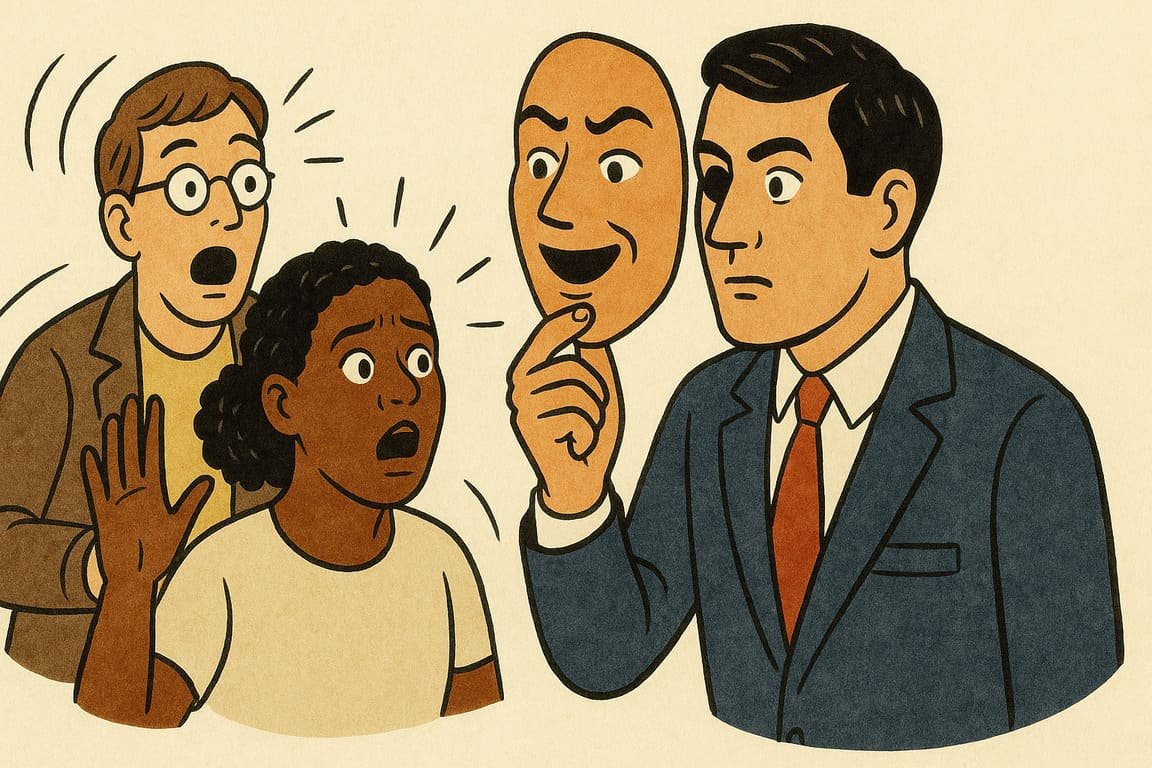
Every founder wears a mask: optimism for investors, bravado for the media, calm for the team. But the best case studies reveal what’s underneath—raw nerves, sleepless nights, brutal honesty. These aren’t cautionary tales. They’re blueprints for surviving chaos, making the impossible tangible, and laughing in the face of the impossible.
Your own mask is already slipping. Maybe you’re scheming in a corner booth, battling imposter syndrome, wondering if your idea is insane or inspired. The reality: everyone feels lost sometimes. The ones who win are those who run toward the uncertainty, willing to rewrite the story as many times as it takes.
Streetlights flicker as startup founders stagger home, empty takeout boxes trailing behind. The city never sleeps—neither do the dreams or the doubts. Somewhere, a team celebrates a tiny victory; across town, another quietly pivots after another “no.” In this mess, the myths are made, one risk at a time.
The case studies that shock the world aren’t about luck. They’re about truth exposed, masks dropped, and resilience tested under fire. In the glow of your own screen, the question lingers.
If you dared to take yours off, what would you build next?
