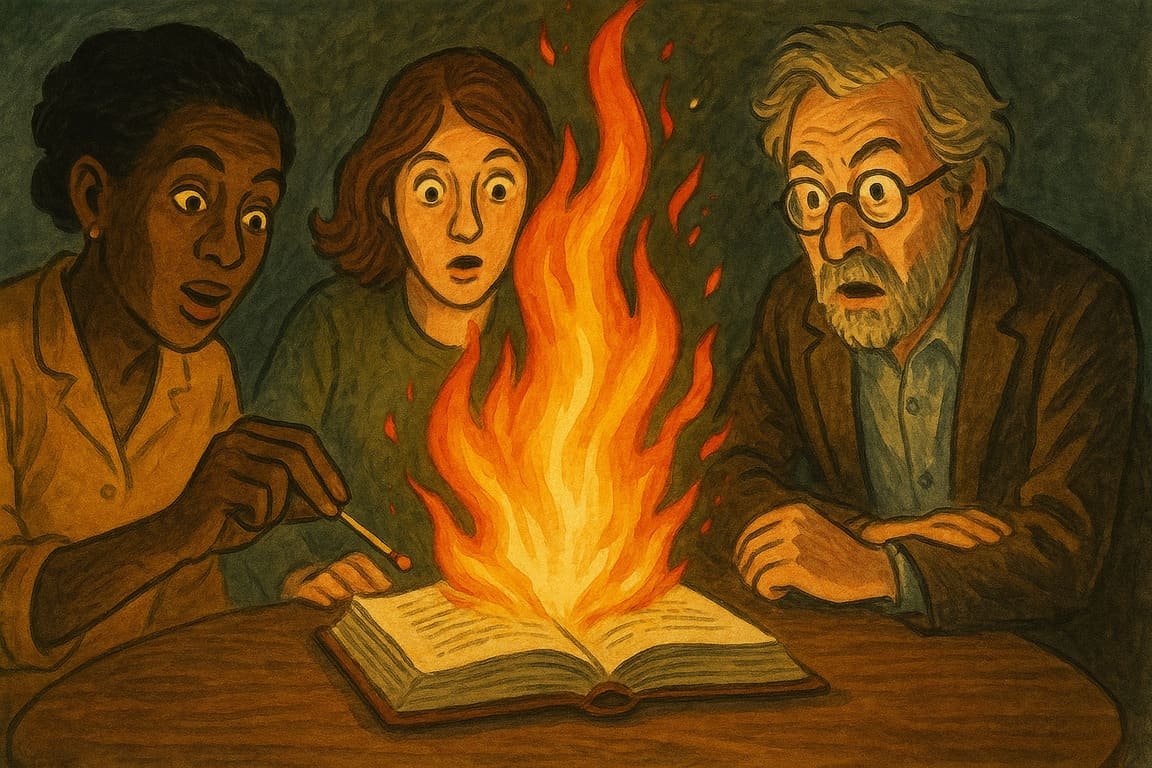
A flicker of orange dances across a conference room wall as the city’s lights cut through dusk. The building is packed with the scent of ambition—fresh printouts, bitter coffee, the nervous energy of scholars with something to prove. At the center, a cluster of young researchers lean in over a battered table, trading stories about failed experiments and wild hunches. Outside, car horns and distant sirens mingle, but inside the room, a single question keeps burning: What sets a great researcher apart from the pack? The tension in the air isn’t just curiosity. It’s the raw, kinetic hunger to make something catch fire.
That same hunger pushed Simone Bradley to spend a year tracking illegal fishing boats with little more than open-source maps and a stubborn streak. Her first report landed with a thud in the inbox of a skeptical editor, but a month later, when a world leader quoted her findings at the UN, her phone wouldn’t stop ringing. Simone didn’t start out as an expert. She just kept following the threads that made her hands shake with excitement. That’s the secret: the world rewards those who refuse to let their passion fizzle out.
If you’re serious about research, you can’t fake fascination. The best breakthroughs, whether in biotech, business, or history, begin as obsessions. You see patterns others miss, chase leads that look ridiculous to everyone else, and refuse to settle for easy answers. If you find yourself sketching models on napkins at midnight or running mental simulations in the shower, you’re in the right company. The world’s greatest discoveries always come from people who are borderline possessed.
You have to learn to trust the itch. Every subject—no matter how dry or technical—has a hidden ember waiting to be sparked. The job isn’t to memorize everything. It’s to find the question that keeps you up at night. Maybe you’re chasing why teens abandon social platforms overnight, or how mushroom networks heal forests. You know you’ve found it when you stop checking the clock and start losing track of days.
There’s a myth that passion just appears out of nowhere. In reality, it grows from friction. The moments when data doesn’t fit, when a supervisor shrugs off your new angle, when your research group laughs at the idea that “video games could improve memory.” If you’re willing to get a little angry, a little stubborn, you’re already halfway to a discovery. The fire is always hottest when someone says, “That’ll never work.”
Even legends stumble. Take the tale of Brian Okoth, who spent two years mapping food deserts in Nairobi. His first grant proposal tanked, and he considered quitting for good. Instead, he doubled down, showing up at city council meetings with vivid street maps and personal stories from local families. It took time, but city planners finally took notice—and Brian’s project reshaped public nutrition programs. His fire didn’t come from easy wins, but from stubborn persistence.
No researcher succeeds alone. It’s the late-night pizza sessions, heated debates, and frantic email chains that turn a spark into a wildfire. Find allies who push back, who poke holes in your logic, who get excited when you share your latest theory. You’ll know you’re with the right people when failure turns into a joke and wins are celebrated with the kind of joy usually reserved for lottery tickets.
Your subject is more than just a topic. It’s a battleground, a mystery, a puzzle box begging to be solved. You’ll hit walls. The data will betray you, the literature will contradict itself, and mentors will warn you not to “go down that rabbit hole.” Push anyway. If you’re not feeling a little lost and scared, you’re not taking enough risks.
Every breakthrough is an accident waiting for someone persistent enough to trip over it. That’s why the process feels so messy. The best research journals are littered with half-baked ideas and false starts, each one a burned match in the search for something that actually lights up the room. There’s no shame in failure—only in not showing up at the matchbox.
Pop culture loves the lone genius, but the truth is more chaotic. Team efforts drive revolutions. The CRISPR gene-editing breakthrough happened because a few researchers ignored their job descriptions and argued over sushi until a wild idea snapped into focus. The most memorable advances in tech, medicine, and social change came from messy brainstorms and side projects that no one expected to matter.
If you’re looking for shortcuts, you won’t find any here. Authentic research fire demands sacrifice—nights lost, weekends surrendered, comfort zones abandoned. The world doesn’t remember the safe bet. It remembers the fool who wouldn’t back down, even when every sign pointed to “impossible.” If that sounds exhausting, remember: boredom is a much crueler fate.
The only real fuel is meaning. When your subject touches a nerve—when you see how your work could make a life better, upend an old injustice, or explain something everyone else gets wrong—you’ll stop worrying about credit or prestige. The reward becomes the chase itself. You don’t work for the applause. You work because you can’t not.
In a silent university hallway, sunlight filters through the dust and finds a young researcher asleep over a stack of notes. Her fingers are ink-stained, her dreams electric with ideas yet to be tested. Down the corridor, laughter rises from a room where a team celebrates a discovery nobody thought possible. The world outside keeps moving, but in this moment, everything feels suspended—the calm after a storm, the ember after the blaze.
In the hush that follows every breakthrough, a question lingers: will you let your fire die out, or will you pass the torch? The room is waiting for the next spark.
