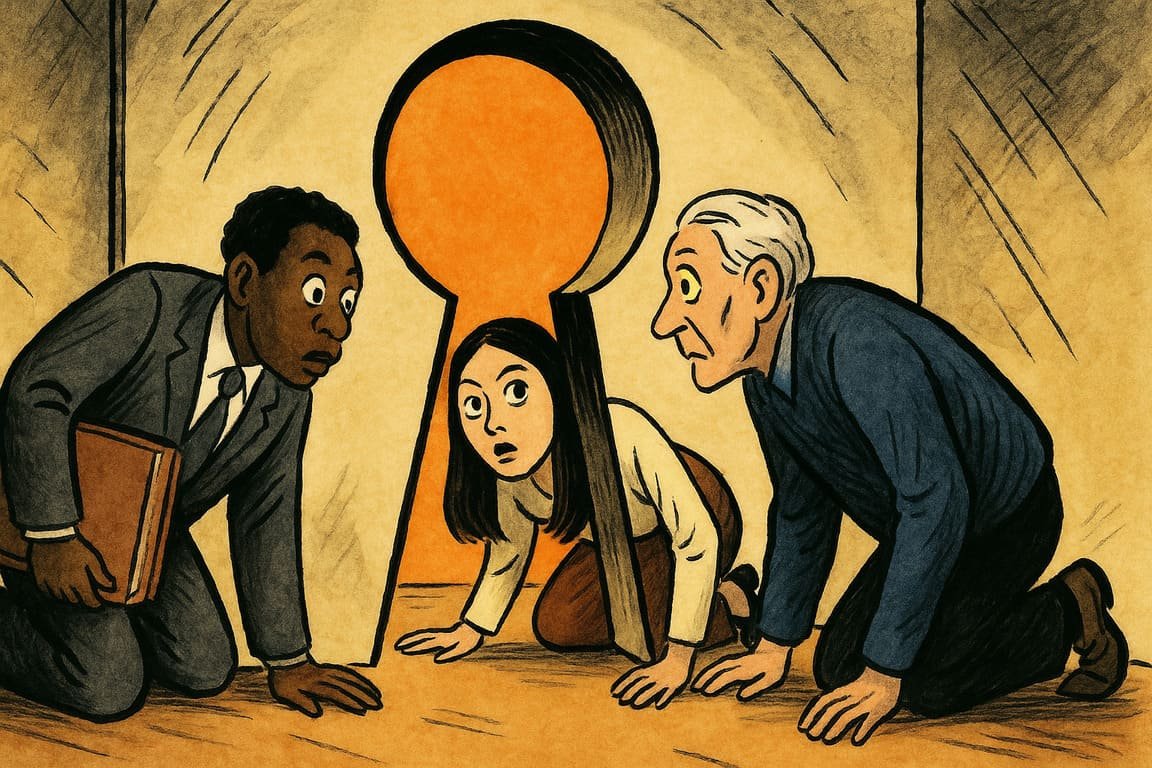
The city teeters between dusk and neon as rain tattoos the windows of a corner coffee shop where possibilities simmer with the scent of espresso. Each table carries its own history: a coder perfecting a pitch deck, a teacher grading with a red pen, an architect sketching the impossible on a napkin. Conversations flicker with urgency, confessions, and revelations. Underneath the hum, one thing unites them: every triumph or disaster has its own backstory, begging to be learned from. The real drama isn’t in the headlines or textbooks. It’s hidden in lived experience, tangled in the choices ordinary people make, and it sits waiting for those who have the nerve to listen.
When the world obsesses over quick fixes, the wise chase stories that bleed with hard-earned wisdom. Real-life case studies pull back the velvet curtain and expose what truly works—and what unravels under pressure. While management books preach blueprints, only case studies reveal the fine print: the panic, the missteps, the strokes of improvisational genius that can’t be mapped in a tidy spreadsheet. It’s no wonder that Harvard Business School doesn’t just teach frameworks. It doles out stories—the failed launches, scrappy pivots, and everyday heroics—that force students to wrestle with uncertainty and consequence.
You can’t replicate genius from a manual. But you can catch its echoes if you’re willing to dig beneath the surface. Picture a company like Spanx, founded by Sara Blakely, who turned $5,000 and relentless determination into a billion-dollar revolution. She didn’t follow a playbook; she built her own. Her journey, filled with factory rejections and door-to-door sales pitches, isn’t just a tale for entrepreneurs. It’s a crash course in resilience, creativity, and audacity. Real-life case studies trade in these currencies, offering a backstage pass to the moments of doubt and flashes of clarity that make all the difference.
Learning through stories isn’t nostalgia—it’s survival. You can study the Toyota Production System all day, but until you feel the sting of a recall, the panic of a disrupted supply chain, or the thrill of a flawless launch, theory stays cold and distant. Consider the story of Johnson & Johnson during the Tylenol crisis. With lives at stake and public trust on the line, leaders made the bold move to recall millions of bottles. The textbooks cite the outcome, but the real lesson hides in the debates, the sleepless nights, and the phone calls that shaped a culture of responsibility. Every industry has its Tylenol moment—a crossroad where reputation, ethics, and risk converge.
Right now, you’re probably wrestling with your own decisions, searching for clues in the chaos. Case studies are the compass. You can learn from Patagonia’s journey—how Yvon Chouinard’s stubborn environmentalism built a brand customers would cross continents to support. The lesson isn’t just about green supply chains. It’s about values surviving profit pressures, about standing your ground when every competitor folds. These are the learning secrets no bullet-point summary will ever reveal.
Some lessons sting. Uber’s early years read like a rollercoaster designed by a mischievous engineer. Hyper-growth gave way to scandal and soul-searching. Boardroom wars and regulatory crackdowns nearly imploded the company. Yet buried in the wreckage are lessons in scaling, hiring, and the perils of unchecked ambition. Only by dissecting these very real bruises can you avoid repeating them. Every case study is an insurance policy paid for by someone else’s hard knocks.
You might wonder why every leader worth their title obsesses over these stories. Bill Gates devours case studies. Satya Nadella transformed Microsoft’s culture by dissecting tales of failure and renewal. They understand that information isn’t wisdom until it’s been tested by reality. Every story is a rehearsal for decisions you haven’t faced yet, a warning flare or a roadmap to opportunity. You can’t predict the future, but you can borrow courage and caution from those who have already lived it.
Schools love to teach from tidy scenarios. Real life, though, is messier. Ask any startup founder—stories swirl with contradiction. There’s the legendary Airbnb saga, where founders survived by selling novelty cereal before they cracked product-market fit. Or the bakery in Nairobi that weathered a pandemic by switching to online orders and bicycle delivery, inventing a new business model on the fly. The beauty of case studies is in their imperfection. They remind us that every “overnight success” is really a marathon of pivots, dead ends, and lucky breaks.
You will find your own learning secrets in the places you least expect. They’re hidden in customer complaints, in the side projects that outgrow the main gig, or in the moments when the team rallies after a setback. One software engineer recalled how her “failed” voice recognition tool for children turned into a lifeline for autistic kids worldwide. That wasn’t in the spec sheet—it was in the messy, unpredictable magic of reality.
The best organizations know how to harness these stories. Netflix, for instance, makes every post-mortem public inside the company. Employees dissect what worked, what flopped, and what to do differently. It’s not about blame. It’s about building a collective muscle for adaptation. The takeaway for you? Make story-sharing part of your learning ritual. Every time a teammate tells you how they landed a deal or salvaged a crisis, you’re collecting the raw material of wisdom.
Forget rote memorization and PowerPoint summaries. Lasting insight lives in stories that thrum with humanity. Whether you’re a manager, a maker, or a dreamer, real-life case studies offer a kind of practical empathy. They teach not just how to win, but how to lose with grace, how to get up when you’re down, and how to see opportunity in the rubble.
If you’re still chasing the secret formula, look closer. Every breakthrough hides in plain sight, embedded in the failures, detours, and accidental successes of those who came before you. You don’t need a mentor in your pocket—you need a library of lived experience, alive with risk and revelation.
A silent, flickering projector casts images onto a cracked wall in a forgotten boardroom. Faces move in and out of the shadows: founders who stumbled, teams who gambled everything, quiet heroes who refused to quit when their world collapsed. The room is thick with memory, every story a living flame. On the table, a dusty notebook lies open—its pages filled with hard-won secrets. No applause greets these confessions. Only the silent vow of those who listen and learn.
The city breathes outside, indifferent but alive, while inside, someone dares to ask, “What can we do differently now?” The answer waits, humming in the stories all around you, ready for anyone bold enough to pay attention. The lesson is never in the headline. It’s in the margins, the mistakes, the quiet moments of truth. You already know what you need to do. The real secret is this: Will you risk your comfort to unlock the learning only failure can teach?
