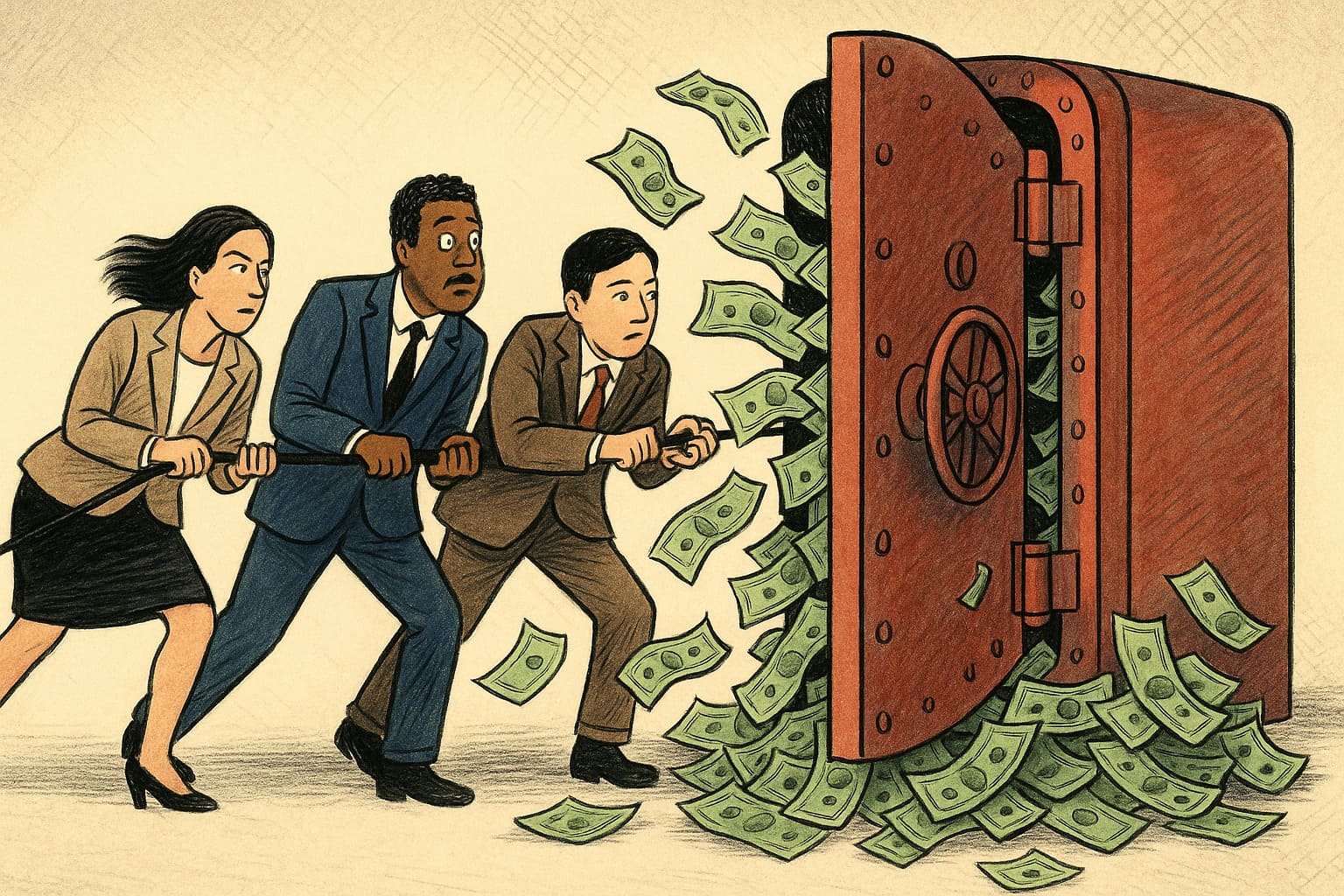
You don’t need to wait until the deal is done to get paid. In fact, the smartest entrepreneurs are already cashing out before the ink dries. How? Through a game-changing tool called purchase order financing. It’s the business equivalent of flipping the “Get Rich Faster” switch. For companies stuck between explosive demand and empty bank accounts, this quiet financial lever is more than a bridge. It’s a catapult. But while some founders use it to accelerate cash flow and crush competition, others ignore it completely and bleed slow. If you’re tired of waiting on customer payments while opportunities slip away, this may be your wake-up call.
Quick Notes
- Cash Before Delivery: Purchase order financing lets businesses receive upfront capital to fulfill large customer orders before getting paid.
- Risk Offloading: Lenders front the supplier costs, reducing strain on working capital and transferring fulfillment risk.
- Speed to Scale: This financing option helps small and mid-sized companies rapidly scale operations without waiting for invoice payments.
- Selective Advantage: PO financing is best used when profit margins are healthy, purchase orders are confirmed, and reliable suppliers are on deck.
- Beyond the Bank: Traditional loans rely on your balance sheet; PO financing relies on the credibility of your buyers and suppliers, not your own credit.
The Order That Changed Everything
In 2016, a small cosmetics startup landed a dream purchase order from a major national retailer. The problem? They didn’t have the cash to fulfill it. Banks shrugged. Investors wanted equity. But a PO financing firm stepped in, paid the supplier directly, and let the startup deliver the goods. Weeks later, the retailer paid in full, the financing firm took its cut, and the startup walked away with profit and credibility. One massive order became the catalyst for scaling nationwide.
This isn’t an isolated incident. Across industries, from consumer goods to medical supplies, businesses are bridging cash flow gaps using PO financing. The traditional model of “sell, ship, then wait to be paid” doesn’t cut it when buyers demand volume and urgency. Purchase order financing breaks this loop, turning paper promises into real-world liquidity. It’s a cash injection built on trust, not credit.
The key lies in the purchase order itself. Once a verified buyer places a large order, a financing company evaluates the supplier’s ability to deliver and the buyer’s ability to pay. If the math works, they cover supplier costs upfront. It’s a temporary financial handshake that powers commerce forward.
For founders juggling delayed payments and explosive growth, PO financing provides breathing room. It allows businesses to say yes to big deals without scrambling for capital. In effect, it flips the traditional cash cycle on its head; you get the cash before you even deliver.
Still, many entrepreneurs overlook this tool, stuck in legacy thinking about bank loans and debt. But PO financing isn’t about borrowing. It’s about unlocking the hidden value of your confirmed orders. Once you grasp that, the possibilities multiply.
The Mechanics of Fast Money
Understanding how purchase order financing works requires unlearning traditional finance. Unlike loans, which hinge on your credit score or assets, PO financing hinges on the strength of your supply chain and customer. If your buyer is credible and your supplier is solid, you’re in the game.
It starts with a verified purchase order from a reputable buyer. The financing firm assesses the risk, ensures supplier reliability, and agrees to front the cost of production or procurement. Funds go directly to the supplier. Once the supplier ships the order and the buyer confirms receipt, the buyer pays the financing firm directly. After deducting fees, the remaining profit goes to the business.
This flow minimizes financial exposure for both parties. For startups, it eliminates the need to beg banks or dilute equity. For financiers, it’s a calculated risk based on third-party reliability. Everyone bets on the order not the entrepreneur.
One example? A Kenyan agritech firm used PO financing to fulfill a government rice distribution contract. With suppliers in India and a tight delivery window, traditional financing would’ve delayed execution. Instead, a financing partner wired funds to the supplier within 72 hours. The contract closed, reputations soared, and more deals followed.
This kind of velocity gives small firms a chance to punch above their weight. They can take on corporate-size orders without drowning in upfront costs. When used strategically, PO financing isn’t just a financial tool; it’s a competitive edge.
But it’s not for everyone. If your margins are razor-thin or your buyers aren’t trustworthy, the math breaks. It’s not magic money. It’s structured liquidity for smart, well-positioned bets.
Myths That Kill Growth
Some founders hear “financing” and immediately see red flags. They imagine crushing interest rates, hidden traps, or loss of control. But PO financing works differently. It’s a transaction-based agreement, not a long-term debt sentence.
One common myth? “It’s too expensive.” The truth? Yes, there are fees but they’re tied to a single order. Unlike term loans or credit cards, there’s no ballooning debt. You only pay if you win. If the order completes and gets paid, everyone profits. If it doesn’t, the financier absorbs the loss or claws back from the buyer, not you.
Another myth is that it’s only for big firms. False. Some of the scrappiest startups use PO financing to punch through glass ceilings. It’s less about size and more about the strength of your supply chain and the credibility of your customer.
A third myth is that you lose autonomy. In reality, PO financing firms don’t run your business. They simply manage the payment cycle of a single deal. You retain full control over pricing, production, and customer relationships.
Finally, there’s the myth that it’s too risky. Ironically, the risk lies in doing nothing. If you pass up confirmed orders because of a cash crunch, you’re not protecting your business; you’re starving it. Real risk is missing out on growth because fear won the argument.
When to Pull the Trigger
Knowing when to use PO financing is just as crucial as knowing how it works. This isn’t an everyday tool. It’s a precision weapon for specific moments in your business journey.
One green flag is confirmed demand. If your buyer has signed and committed to a sizable purchase order, and you’re confident in the supplier’s ability to deliver, it’s time to consider PO financing. The deal must be clean, real, and verifiable.
Another trigger point is timing pressure. When buyers expect rapid fulfillment and you’re juggling payroll, production, and rent, PO financing creates breathing room. It buys you time without draining your reserves.
Seasonal surges also signal opportunity. Apparel brands ramping for holiday spikes or tech companies prepping for back-to-school seasons often face short-term cash bottlenecks. PO financing bridges that gap.
It’s also smart when launching new partnerships. If you land a marquee client and want to impress without sacrificing your liquidity, this tool lets you shine while staying solvent.
That said, avoid PO financing if your margins are fragile. If supplier costs plus financing fees eat most of the profit, pause. The math has to make sense. Use it when the upside is undeniable and the terms are tight.
How to Win With PO Financing
The companies that win with PO financing treat it as part of a bigger strategy. They use it to scale intelligently, not to cover bad planning. Preparation is everything.
Start by vetting your buyers. Make sure their payment history, industry standing, and financial health check out. Remember, the financier is betting on them, not you. The stronger your buyer, the easier your approval.
Next, solidify your supplier relationships. Financiers want confidence that production will be timely and quality will be consistent. If your supply chain is shaky, your deal could collapse before liftoff.
Build buffers into your pricing. Factor in financing costs before quoting your buyer. That way, you protect your margins and prevent surprises. Smart entrepreneurs plan their profits around real numbers, not wishful thinking.
Finally, treat your financier like a partner, not a bank. Communicate openly, deliver on timelines, and keep records clean. A strong relationship opens the door to bigger deals, better terms, and faster approvals.
PO financing is more than cash. It’s trust, timing, and tactical clarity. When used wisely, it becomes the lever that lets your business lift heavier loads without breaking.
The Fast Lane Isn’t Crowded: Just Overlooked
There’s a reason PO financing isn’t taught in most business schools. It’s too real, too fast, too tactical. It doesn’t rely on perfect credit or five-year plans. It rewards action, clarity, and smart positioning. Most entrepreneurs keep chasing funding while sitting on a goldmine of confirmed orders. The difference between drowning and scaling? Often, it’s just knowing this tool exists. The businesses that unlock this secret weapon don’t just survive; they surge. So next time opportunity knocks, make sure you’ve got the keys to open it. Purchase order financing might just be the master key you’ve been missing.
Partnered. Provocative. Worth Your Scroll.
This is a Promoted Post by ESYRITE—yes, it’s paid, but never filtered. Our voice stays raw, real, and razor-sharp. We team up with bold ideas, game-changers, and stories that spark something real. If it’s here, it earned its place—no fluff, just impact. We don’t just promote—we provoke. Stay sharp. Dive deeper.
