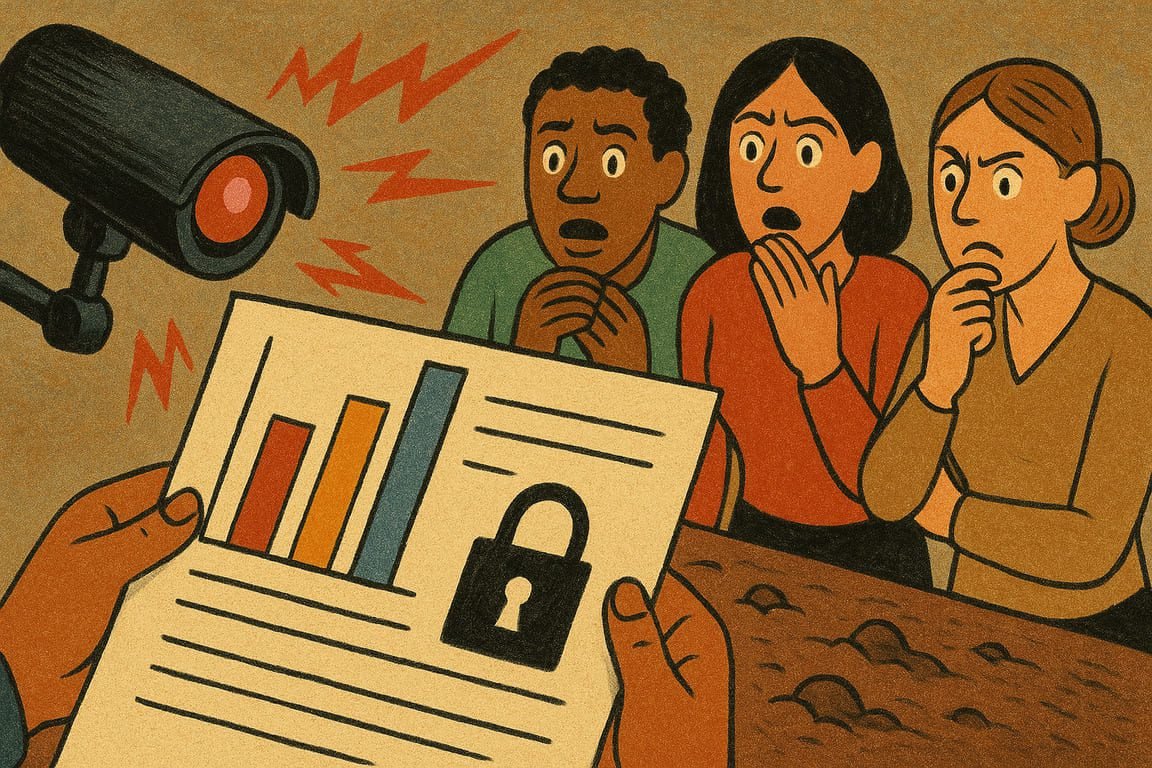
Spotlights flicker over a high-rise conference room where executives murmur in guarded tones, their reflections warped by towering glass. Far below, millions of digital footprints pulse through the city’s veins, invisible yet inescapable. Here, the data harvesters and the privacy guardians circle one another in an endless dance, each step laced with suspicion. Secrets are currency. Ethics, a question mark drifting over every transaction. Tonight, no firewall feels thick enough.
Once, privacy was a matter of closed doors and unlisted phone numbers. Now, even silence leaves a trace. From universities to unicorn startups, the drive for research insight feeds on data—names, locations, preferences—extracted from the streams of everyday life. One day you’re signing up for a discount, the next your shopping habits are shaping a global algorithm.
A single consent form, buried in legalese, can change everything. Remember the Cambridge Analytica scandal, when “personality quizzes” helped fuel global election campaigns? The fallout was swift, but the lesson lingers: research data isn’t neutral. It shapes decisions, markets, even beliefs. When trust snaps, reputations vanish overnight.
You live in a paradox: more data promises smarter solutions, but also opens the door to exploitation. Social platforms claim to protect user information, yet headlines regularly reveal breaches, leaks, and “accidental” exposures. Each breach isn’t just a technical failure—it’s a betrayal, often only uncovered when real harm is already done.
Ethical research demands more than compliance checkboxes. Consider the hospital system that tested a new diagnostic AI. They promised anonymity, but a resourceful journalist soon traced anonymized records back to real people, exposing intimate medical histories. The tech worked; the ethics didn’t. Transparency, accountability, and genuine respect for individuals must always come before innovation.
People crave control over their own stories. When Apple doubled down on privacy as a selling point, it forced the entire smartphone industry to rethink data practices. For every app that quietly siphons your location, there’s a pushback—a browser that blocks trackers, a movement for digital rights. The battle lines keep shifting.
Every research breakthrough built on personal data carries an unspoken debt to those who shared. In the world of genetics, families who contributed DNA for health studies sometimes found themselves blindsided as distant relatives popped up on ancestry sites, privacy vaporized in the name of progress. “We didn’t know it would go this far,” said one participant, her trust shaken but her story a warning.
Privacy isn’t just an individual concern. It’s a matter of justice. Targeting vulnerable communities, manipulating consent, or profiling without transparency can magnify inequality. When researchers in a fictional city mapped crime risk using social media data, they promised safer streets. Yet the tool quickly became a magnet for discrimination, as neighborhoods were unfairly marked and opportunity walls rose higher.
Consent is a moving target. How can anyone give meaningful permission for something they can’t fully imagine? That’s the ethical tightrope every researcher walks. A university study once asked students for “routine data,” then used it to build detailed behavioral profiles. Some applauded the insights; others felt spied on, sparking protests that echoed through campus long after.
Power imbalances loom large. The people collecting data often hold more knowledge—and leverage—than the people providing it. It’s easy for well-intentioned research to slide into exploitation. That’s why independent review boards, whistleblowers, and relentless journalism remain essential checks.
The law lags behind reality. New technologies leapfrog regulators. GDPR and similar frameworks try to set standards, but enforcement struggles to keep up. “Privacy by design” sounds nice, but shortcuts and pressure to publish too often bend best intentions. Meanwhile, scandals continue to erode public trust.
Stories like the fictional “FitLab” startup show how quickly lines blur. In their drive to understand user behavior, they promised never to sell data. But investors demanded growth, and soon, anonymized data sets quietly flowed to partners. When a breach exposed workout locations and routines, the backlash was swift and unforgiving. No research insight is worth losing your soul—or your reputation.
If data is power, then ethical stewardship is duty. Honesty, humility, and real transparency must guide every research decision. The future of trust rests on the choices made in the shadows, as well as those made in the light.
Night falls over a city wired for insight, but the air hums with questions that refuse to sleep. Privacy is more than a line of code or a box checked in haste—it’s a promise made to every person whose story is carried in the numbers.
You live on the edge of a digital bargain. Will you defend your story, or let it be written by others?
