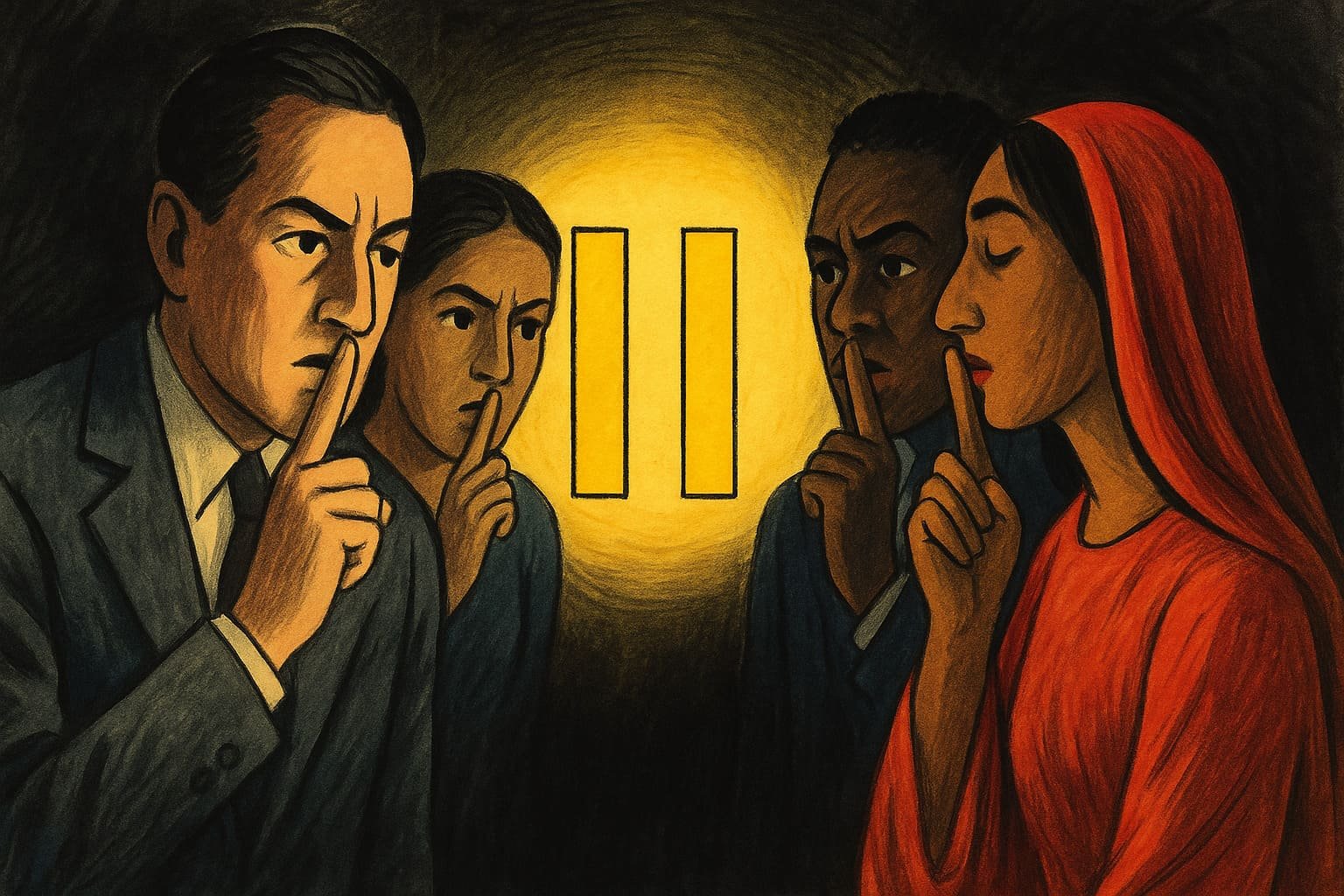
Beneath the fluorescent buzz of a glass-and-steel boardroom, time seems to buckle. Screens flicker, faces tense, yet nothing stirs except the collective inhale. Around the sprawling table, ambition pulses like an electric current, each participant braced for a verdict that never arrives. A single question floats above the table; unanswered, heavy, gravitational. Someone almost speaks but does not. In that pause, invisible and deafening, the entire fate of a deal, a team, maybe even a company, dangles in perfect suspension.
Power, it turns out, rarely roars. Sometimes it doesn’t even whisper. The most ferocious move in a high-stakes negotiation is the one that isn’t made: the moment a leader bites their tongue, forcing rivals and allies alike to confront their own uncertainty. That hush can fracture egos, birth legends, or flip entire industries on their heads. Silence, the world’s oldest unsung lever, has cracked open empires and quietly toppled titans; think of Tim Cook’s famously still gaze when challenged, or Oprah’s charged, unspoken seconds between questions, letting a guest’s secrets tumble into the open.
To the untrained ear, silence is absence. In reality, it’s the ultimate presence. It’s the subtle heartbeat between the crescendo and the crash, the tension before a crowd erupts, the moment before the verdict lands. Cultures, markets, even families orbit these unspoken seconds. They are the cosmic voids where true influence is born not in the noise, but in the pause.
Every great communicator, from poets to presidents, has known this. To wield pause power is to become magnetic, unpredictable, and unforgettable. It’s the tool of rebels, visionaries, and anyone daring enough to bet on their own gravitas. In these pages, the truth is laid bare: words alone never built an empire. The spaces between them did.
Quick Notes
- Silence Slices Through the Noise: The sharpest minds in business don’t rush their words. They command attention by pausing, making every sentence land like a lightning strike. This single habit separates leaders from followers, and it terrifies competitors more than any speech ever could.
- The Hushed Win the Game: Careers aren’t made by speaking the loudest. They’re built on knowing when not to speak at all. A well-timed pause can flip an entire boardroom, close a stubborn sale, or expose a liar with nothing more than a raised eyebrow and a patient smile.
- Stillness Sparks Action: When a manager stops talking, the team starts thinking. Silence transforms awkwardness into revelation. In these quiet intervals, innovation is born, hidden conflicts surface, and collective wisdom finds its voice.
- Power Hides in the Unsaid: From political summits to lunchroom gossip, the real decisions are made in moments of hesitation. The best negotiators know the golden rule: whoever breaks the silence first, loses control of the room.
- Mastering Quiet Changes Everything: The world doesn’t reward the quickest tongue; it bows to those who can shape the tempo, harness suspense, and use restraint as their secret weapon. Silence, wielded with intention, isn’t emptiness. It’s pure, concentrated influence, and anyone can learn it.
The Quiet Uprising—Why Silence Becomes the New Superpower
Every modern office is a symphony of voices, pings, and relentless interruptions, but true impact never comes from noise. Real power surges when the room falls still, when even the air seems to wait for what happens next. Imagine a junior consultant, Ana, pausing for a heartbeat before answering her CEO’s tough question. That single breath rewires the conversation, setting her apart not for bravado, but for courage to hold the moment.
Silence is not emptiness; it’s a force multiplier. In high-stakes pitches, legendary dealmakers like Sheryl Sandberg famously let their offers hang in the air, never scrambling to fill the void. Observers feel discomfort, yet within seconds, the room bends toward her gravity, and decisions tilt in her favor. Each unsaid word becomes a weapon, slicing through ego and expectation.
Throughout history, the most memorable statements were often the ones left unfinished. Socrates once allowed his students to stew in silence until discomfort spurred deeper reflection. A modern startup founder, Jerome, saved his company by refusing to respond to a rival’s jab during a tense acquisition meeting, turning passive restraint into strategic dominance. The result: the opposition second-guessed themselves into submission.
Philosophers have always argued that the unsaid speaks louder than any argument. The ancient Japanese art of “ma” the pause teaches that intervals matter more than content, in music as in life. The most riveting speeches contain deliberate breaks, drawing audiences into suspense and making every word that follows ten times more potent.
In business, silence isn’t about power plays alone. It’s about respect. Listening intently signals confidence and wisdom, but also empathy. When Google’s former HR head, Laszlo Bock, wanted breakthrough ideas, he imposed “silent brainstorms” forcing teams to think before speaking, igniting creativity where chaos once ruled. Sometimes, the quietest person in the room is simply listening harder than anyone else, absorbing power and preparing to unleash it at just the right second.
The Secret Pulse—How Pauses Change Conversations and Win Battles
Pauses are the unsung heroes of negotiation, strategy, and even therapy. A well-placed silence can unravel bluster, tease out honesty, or force an opponent to reveal their hand. In one famous mediation, a labor leader named Ruth simply sat, unmoving, when her adversary tried to force an early decision. The longer the silence stretched, the more the other side revealed. The contract swung in her favor, and her legend grew with each unspoken minute.
Modern workplaces, flooded by data and distraction, have conditioned people to fear silence. Pauses get mistaken for weakness or cluelessness. In truth, they are the most decisive tool a communicator can wield. During tense client pitches, consultant Tunde Oloyede always inserts a beat of silence after stating a proposal, letting clients’ anxiety push them to close the deal faster than any slick sales trick ever could. That quiet space acts as a mirror, reflecting the other side’s own thoughts and intentions.
Pop culture often gets this wrong, idolizing the fast talker and the quick wit. Yet the real game-changers; think Meryl Streep holding a stare in “The Devil Wears Prada” or the hush that follows every Steve Jobs product reveal know suspense is everything. Audiences crave closure, but in the gap, emotions intensify and attention sharpens. Even courtroom drama expert Gloria Allred credits her toughest wins to simply “letting the silence hurt.”
Contrary to popular myth, being the first to answer isn’t cleverness. It’s a missed opportunity. In leadership coaching, executive mentor Maria Nguyen often trains rising stars to resist the urge to fill conversational gaps. The greatest authority lies with those who can outlast discomfort, turning awkwardness into advantage.
Each pause resets the rhythm. It forces others to engage on your terms, not theirs. In therapy, doctors use this principle to draw out clients’ true stories, letting silence become a safe space for vulnerability. On the trading floor, the savviest brokers say little and listen more. When words finally come, they hit with the force of a revelation.
The Sound of Insight—When Teams Build with Silence
Silence is rarely lonely in the world of high-performing teams. Instead, it’s the glue binding collective genius. Picture a product design sprint at a tech startup. The founder, Jamal, kicks off with a challenge, then lets the question hang. The first few seconds feel unbearable. Then something magic happens: people look up, share nervous glances, and the brainstorming begins in earnest, deeper than any “rapid-fire” round could ever achieve.
Teams led by masters of the pause consistently outperform their noisier peers. At Pixar, director Pete Docter instituted “silent reviews” where storyboards were passed around without commentary. Freed from the pressure to fill the air, animators could absorb, critique, and return with radical new ideas. The team credits those moments of hush with fueling “Inside Out’s” most innovative scenes.
Silence also signals trust. In crisis management, seasoned leaders like Angela Adebayo let their teams wrestle with silence, refusing to rescue meetings from awkward pauses. This respect for collective thought creates psychological safety, encouraging introverts to surface insights usually drowned by extroverts’ chatter. The quiet transforms into a canvas for unseen talent to shine.
Humor, too, thrives in the unsaid. Comedians like Bo Burnham expertly use pregnant pauses to let punchlines detonate, showing that timing is everything. In business, an unexpected pause after a joke signals confidence, transforming the boardroom into a stage. Suddenly, the boss isn’t just in charge; they’re a showman, orchestrating energy and emotion like a maestro.
Every team, from soccer squads to software crews, lives and dies by how well they read each other’s pauses. It’s not just what’s spoken that unites them, but the willingness to sit in silence together, letting meaning emerge organically. One seasoned HR director, Rosa Delgado, summed it up best: “When my team falls quiet, that’s when the real work begins.”
The Contrarian’s Edge—How Not Speaking Flips the Script on Power
In a world addicted to noise, silence is rebellion. That’s why iconoclasts; those who zig when others zag make quiet their ally. Consider Maverick founder Elina Romanova, who shocked her industry by refusing to answer a hostile press question during a high-profile launch. Instead, she paused, smiled, and simply waited. The reporter’s bluster evaporated, the crowd leaned in, and headlines raved about her composure. Her silence became the story.
Conventional wisdom rewards quick responses and clever retorts. True disruptors break this pattern. They wield stillness like a blade, exposing the desperation behind endless talking. Elon Musk, known for monologues, still punctuates tense moments with extended pauses that unsettle rivals and force attention to detail. Rivals often mistake this for confusion, not realizing they’re being outmaneuvered.
The most powerful negotiators don’t shout. They let others do the talking, revealing hopes, fears, and weaknesses in the process. During a heated contract standoff, mediator Marcus Fielding won favorable terms by sitting stone-faced after an aggressive proposal. The opposing party, unnerved, rushed to sweeten the deal, tripping over their own eagerness to fill the void.
Society trains people to equate talk with action. Pause power subverts this, proving that real change begins in restraint. It’s why activists stage silent protests that shake regimes, why whistleblowers pause before exposing secrets, and why chess grandmasters hold the table before delivering a decisive move. Each refusal to respond is an act of control, not capitulation.
The lesson for anyone seeking influence: silence isn’t passive. It’s the secret code for those who want to rewrite the rules, unsettle the status quo, and invite curiosity. When used with intent, not speaking says more than a thousand slogans. It dares listeners to lean in, decode, and never look away.
The Art of Strategic Restraint—Building Authority by Saying Less
Knowing when to stop talking is an art. Leaders who master restraint earn a different kind of loyalty; one based on trust, mystery, and anticipation. During a live podcast interview, CEO Gabriel Mensah once fielded a difficult question about a controversial layoff. He paused, looked down, and said nothing for a full ten seconds. The hosts, stunned, pressed on. Only then did Gabriel answer, with clarity and dignity, his silence reframing the entire discussion.
Silence isn’t just about winning. It’s a tool for healing, reconciliation, and real connection. In the aftermath of public scandals, brands like Patagonia have stayed silent on social media, allowing communities to process anger before re-engaging. The result is stronger, more authentic relationships, and fewer tone-deaf mistakes.
Sometimes, silence is empathy. In difficult conversations about failure or loss, the greatest gift is to simply listen. Dr. Linda Prentiss, a psychologist, teaches corporate clients that staying silent during moments of grief or regret builds deeper bonds than any canned response. The trust formed in those spaces outlasts any motivational speech.
In sales, smart reps like Amir Gadi use silence as a pricing tool. After naming their fee, they say nothing, letting the customer sit with the figure. More often than not, the client folds first, unwilling to bear the tension. Silence, handled with care, becomes a magnet for deals, not a risk.
Strategic restraint requires courage and discipline. It means letting go of the need to control, fill, or entertain. The greatest leaders, whether in sports, business, or politics, understand that saying less at the right time builds an aura of authority that cannot be faked or forced. Their pauses invite trust, inspire followership, and leave legacies written not just in words, but in the spaces between.
Shadows Speak Louder—The Unseen Symphony of Influence
In the dim glow of an empty theater, only echoes remain. Spotlights flicker over vacant rows as the velvet curtain trembles with each silent draft. Tonight’s performer, invisible yet omnipresent, is the hush itself. Here, influence no longer parades onstage in dazzling monologues or raucous applause. Instead, it lingers like perfume in the pause between notes, thick with possibility, dense with everything left unsaid.
Somewhere in the shadows, a founder rewinds the memory of her company’s defining moment, recalling the breathless hush that turned a fledgling idea into an industry quake. The unscripted stillness, the minute of wordless communion, branded the team as visionaries in the eyes of the world. The loudest power play became the choice not to play at all.
A hundred silent protests still rattle history’s gates. In every paused conversation, there lies a dare: who will speak first, and who will listen deeply enough to change everything? The audience, drawn to the tension like moths to flame, discovers that silence is never empty; it is an invitation, an omen, a contract written in trust.
Power, in the end, is not a shout or a whisper, but a held breath. It’s the unseen conductor cueing the next movement, the heartbeat before the answer, the trust between two people when nothing needs to be said. The room, the stage, the world: they all wait for that unbreakable, unforgettable pause.
You will never hear silence the same way again.
Partnered. Provocative. Worth Your Scroll.
This is a Promoted Post by ESYRITE—yes, it’s paid, but never filtered. Our voice stays raw, real, and razor-sharp. We team up with bold ideas, game-changers, and stories that spark something real. If it’s here, it earned its place—no fluff, just impact. We don’t just promote—we provoke. Stay sharp. Dive deeper.
