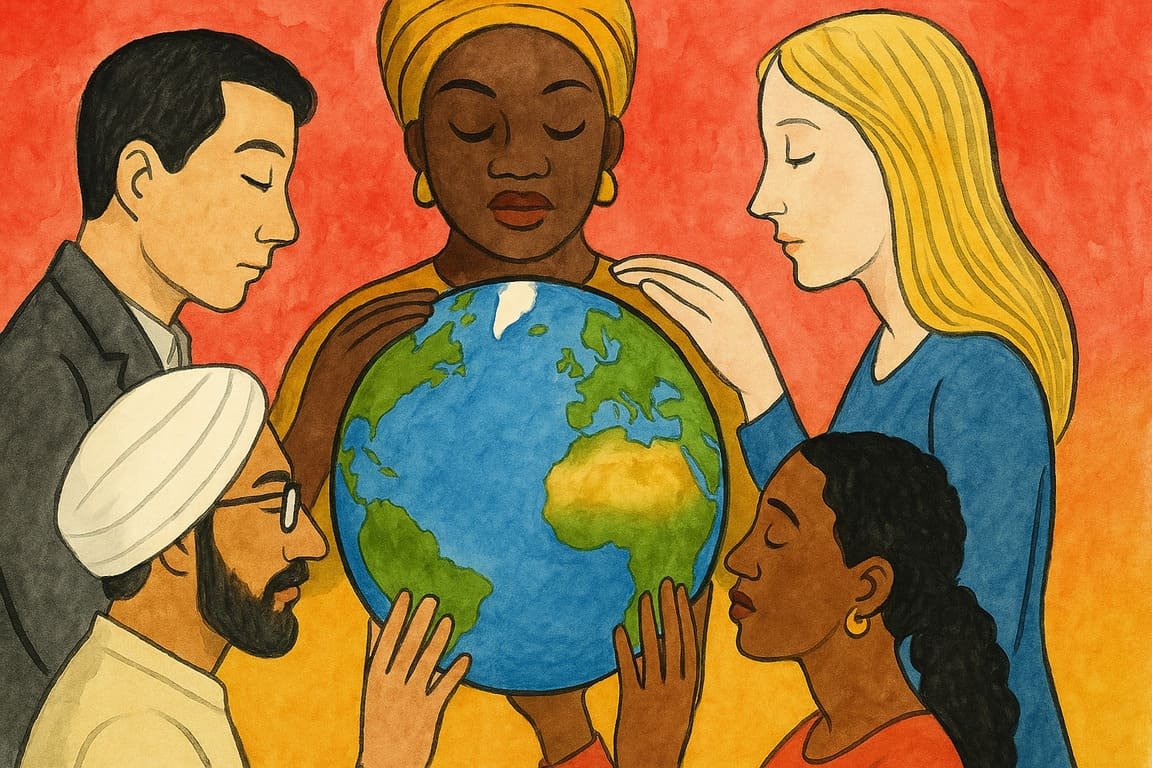
A glass tower looms above the morning smog, its lobby buzzing with conversations in half a dozen languages. Screens flicker, displaying everything from Japanese streetwear to Scandinavian furniture ads, each tailored with uncanny precision. Inside a strategy room layered in hushed urgency, a team reviews feedback from Seoul, Lagos, and São Paulo. They argue, gesticulate, then pause as a young designer scrolls through images—her finger hovering over a color palette inspired by Kenyan beadwork. For a fleeting moment, the room forgets margins and metrics. All eyes lock on the possibility: can one design, rooted in respect, spark a chain reaction from Berlin to Nairobi?
Long gone are the days when global meant generic. Now, profits chase empathy, not just economies of scale. A single careless symbol or offhand color choice can backfire, sparking hashtags, headlines, or boycotts. The marketplace rewards those who see beyond borders—who understand that respect is not a buzzword but a real currency. Starbucks’ leap into the Middle East was rocky until designers swapped out Western motifs for locally resonant calligraphy, earning both goodwill and a market surge. That pivot wasn’t just smart; it was survival.
You stand at a crossroads each time you launch a brand, pitch an idea, or shape a campaign meant for more than one city. Suddenly, every emoji, font, and face in your ad matters. A color beloved in Milan might carry funerary weight in Beijing. An image that sings freedom in California might spark resistance in Istanbul. Navigating this labyrinth isn’t about walking on eggshells—it’s about choosing curiosity over assumption and learning what lights people up in their own language.
The most profitable brands aren’t just fluent in trend forecasting. They cultivate emotional intelligence across borders. When Airbnb rebuilt its platform for China, the team didn’t just translate copy—they hired local artists, tuned in to family rituals, and reimagined the booking flow to reflect community trust. The payoff? Host signups soared, and “Belong Anywhere” transformed from tagline to lived experience.
A great designer knows culture is not an accessory—it’s the water their work swims in. Sometimes, respect means pulling back, letting local voices take the lead, or rethinking the product altogether. When Dove’s “Real Beauty” campaign traveled from New York to Mumbai, its impact grew because Indian creatives told their own stories. That move, from broadcasting to collaborating, created loyalty you can’t buy with ads alone.
You might feel the pressure to go fast, roll out globally, ride the viral wave. But the brands that endure move at a different rhythm. They slow down just long enough to ask: who is this for? What matters here? If your campaign lands in Cairo, will the story feel like home or like a foreign movie dubbed too late at night? The right answer might not be obvious, but it’s worth the discomfort. Respect has a way of echoing back as brand love—and revenue.
Pop culture is full of lessons: recall how Nike’s limited-edition Kenya marathon trainers became a must-have not just for runners, but for fans who felt seen by a global giant. Or how Korean beauty brands rewrote the rules of skincare, then watched Western influencers scramble to catch up. These wins didn’t happen because teams played it safe. They happened because they dared to listen, adapt, and sometimes let go of control.
A real-life case study—Saana, a rising streetwear designer in Nairobi, landed global distribution by weaving Maasai colors into hoodies. The result? Sales exploded not only at home, but in Tokyo and New York, where consumers craved authenticity over imitation. It wasn’t a token gesture. It was a risk, a handshake across continents, proof that respect can be stylish and lucrative.
The digital age means every campaign is a global one, whether you intend it or not. Every tweet, meme, and product launch can be seen by millions across time zones. When respect is baked in from the start, missteps shrink, and chances for connection multiply. Cultural fluency is now a business superpower, a competitive advantage as vital as your next tech upgrade.
If you want the world’s attention, show the world you’re paying attention. The next generation of designers will win not by shouting the loudest, but by listening with the most intention. The boardrooms of tomorrow will celebrate teams who put humility and learning ahead of templates and shortcuts. There’s no algorithm for empathy, but there is a playbook: slow down, ask questions, and let real people co-author your success.
Global design is a high-wire act, balancing bold vision with deep humility. When you respect emotion, you gain profit. If you’re willing to challenge your assumptions, you’ll unlock markets and loyalty that money alone can’t buy. Your risk is not just making a mistake. Your risk is being forgotten.
In the shadow of that glass tower, as dusk wraps the city in violet, Saana steps onto a balcony, her phone buzzing with messages in three languages. She smiles at a photo of a Tokyo teen wearing her colors, the same red worn by her grandmother on the plains of Kajiado. Down below, a mural glows in neon, a fusion of influences that once might have clashed but now pulse together. Somewhere, a creative team revises their pitch, searching for a story that travels further than product specs ever could.
You carry the power to bridge worlds—or watch your work evaporate in translation. Which story will you tell next?
