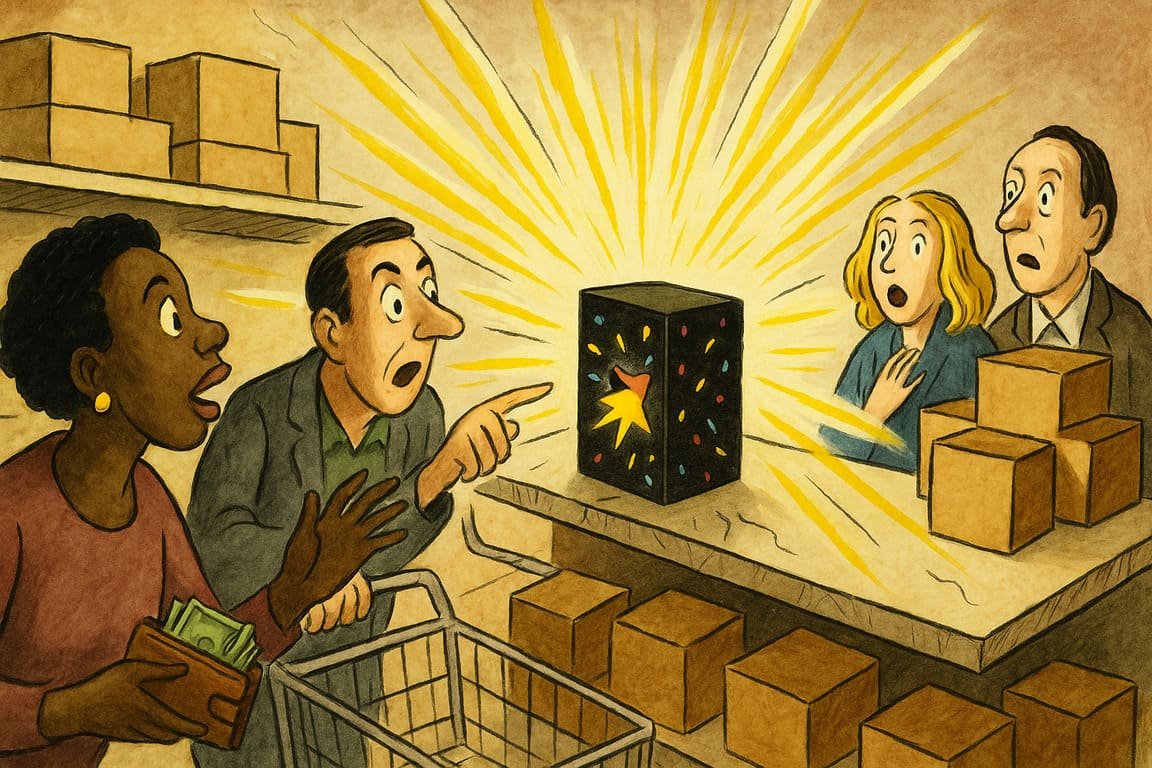
Beneath the relentless fluorescent lights of a bustling warehouse store, towers of boxes rise like miniature skyscrapers. Each package radiates a silent energy, bold patterns and colors tempting restless shoppers to reach out. A father stands mesmerized in the breakfast aisle, his son transfixed by a cereal box splashed with cartoon heroes. Palms twitch, eyes dart, wallets tremble. This is not just shopping—it’s theater. Packages perform, whispering of joy, quality, and a secret club only you can join if you grab the right box. No one escapes the show.
Somewhere behind the scenes, the architect of this spectacle sketches late into the night. Cassandra, a veteran packaging designer, confesses to her team, “If a box doesn’t make you want to touch it, it’s not worth shipping.” They pass around prototypes—some sharp, some playful, some so odd that the intern bursts out laughing. Then the tests begin. Hundreds of eyes scan the shelves, and only the packages that magnetize attention make it out of the lab. Those boxes become weapons in a quiet war, every edge and surface sharpened for maximum desire.
Consumers never see the battle scars. They only feel the result—a thrill when hands close around a well-made box, a surge of belonging when opening something beautiful. Every square inch is loaded with psychological triggers. The soft matte of a cosmetics case, the satisfying click of a magnetic closure, even the playful iconography on snack packs—all create experiences that feel personal. Design here is not decoration. It’s seduction with a strategy.
Your buying choices become less rational than you’d admit. You walk in for coffee, but walk out with a luxury chocolate, hypnotized by a gold-foiled box that purrs “treat yourself.” This is not accidental. Designers work with neuroscientists, marketers, and sometimes even poets to build packaging that transforms a moment into a memory. Apple’s unboxing experience rewrote the rulebook—turning each product reveal into an event, a kind of secular ritual that left customers wide-eyed and eager to repeat the rush.
Small brands now battle giants by taking risks: minimalist black boxes for indie tech, wild illustrated cartons for craft beer, pop art candy packs that refuse to blend in. These rebels know that the fastest way to empty wallets is through wonder. When RXBar scrawled the ingredient list in giant letters across its packaging, it broke category rules and sales exploded. The world doesn’t want another beige box—it wants a box that tells a story before it’s even opened.
You probably remember a time you felt disappointment slicing through a dull package, then surprise when a tiny detail—an embossed logo, a hidden message—made you smile. That micro-moment is priceless. Every corner of the box becomes a billboard, an invitation, or even a dare. Packaging legend Tom Szaky of TerraCycle once said, “Packaging is the last salesman.” His team crafts boxes that turn recycling from a chore into a movement, one smile-inducing design at a time.
Shoppers crave novelty and nostalgia, sometimes in the same breath. Limited-edition designs fuel frenzies and turn packages into collectibles. The “Share a Coke” campaign splashed names across bottles and instantly made every soda a personal statement. Meanwhile, boutique perfume houses wrap their flacons in origami-inspired cartons, daring you to buy just for the box. Social feeds light up. Scarcity meets artistry. Suddenly, packaging is the main event, not just the delivery system.
Manufacturers have learned that packaging can fix problems products cannot. A so-so snack inside a genius box can outsell better competitors. It’s why so many struggling brands invest in rebrands rather than reformulations. Beauty disruptors like Glossier and Fenty staked their claim with packaging so distinctive you could spot it across a crowded subway. Their fans didn’t just buy a product—they bought an identity.
In the digital age, a package must go viral before it goes home. E-commerce has shifted the focus: what pops on a shelf must also shine in a thumbnail. Subscription boxes from Birchbox to FabFitFun are designed for Instagram unboxings as much as customer delight. The best packages make consumers want to document the moment, turning personal excitement into viral brand buzz.
Boxed brilliance works because it’s immersive. You are not just buying an item—you’re buying a little movie, a fantasy, a chance to enter a world the designer dreamed up for you. Even the simplest upgrades—a clever tear-strip, a hidden fact, an inside joke—turn passive purchases into playful adventures. Suddenly, every box becomes a storyteller.
When you reach for a new product, you are choosing more than price or utility. You are choosing an experience engineered for joy, surprise, and a sense of belonging. The world’s most successful brands know this and pour creativity into every fold and seam. Their reward? A sales boom that empties wallets and fills hearts.
After closing time, the warehouse is still. Stacks of boxes rest like sleeping giants, each one holding a promise and a possibility. Somewhere, Cassandra sketches again, already planning the next sensation. The night watchman pauses, running his fingers along a carton’s raised logo, savoring the texture. Outside, a child clutches a cereal box, moonlight glinting off cartoon heroes, refusing to let go even in sleep.
One question lingers in the quiet: Will you settle for the ordinary box, or will you chase the next story that calls your name from the shelf?
