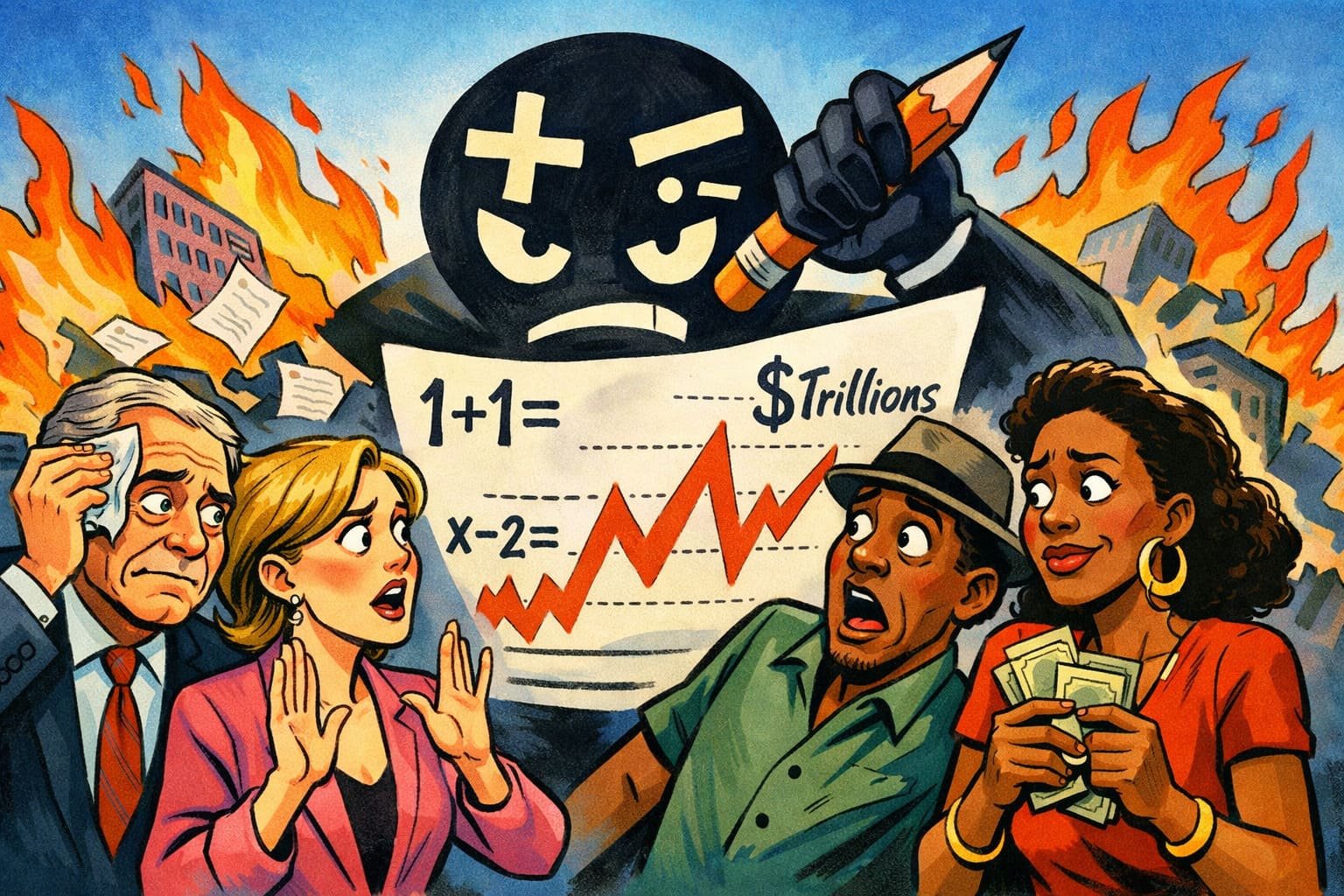
Deficits rarely begin as villains in public life. They arrive dressed as kindness, urgency, patriotism, relief, or confidence. A tax cut for growth. A subsidy for calm. A spending package for resilience. A rescue for the vulnerable. Each decision can sound reasonable on its own. That is why deficit denial is so durable. Nobody ever walks into a parliament and announces a romance with arithmetic neglect. They describe compassion, momentum, or national necessity. Then the numbers start keeping score.
The political class loves the present tense. Voters feel today’s tax break. They feel today’s wage increase, fuel relief, mortgage support, or election-season promise. The cost hides in a quieter room. It surfaces later in debt service, weaker flexibility, higher refinancing pressure, or sudden panic when markets conclude that the adults have left the cockpit. Fiscal deterioration is rarely cinematic at the start. It is a slow leak that turns catastrophic once nobody can agree where the hole really is.
The most revealing thing about deficit denial is how often it survives direct evidence. Even after governments watch borrowing costs rise or currencies wobble, many still act as though disbelief itself is a policy tool. The mini-budget crisis in the United Kingdom became a modern cautionary tale because it showed how quickly market confidence can crack when large fiscal moves collide with fragile credibility. The Bank of England had to step in with temporary long-dated gilt purchases to restore orderly conditions. Arithmetic had entered the room and slammed the door.
That episode mattered beyond Britain because it punctured a cherished illusion. Too many leaders assume that sovereign borrowers enjoy infinite narrative control. They do not. A government can explain itself on television, praise its growth plan, and attack critics as timid. Markets still ask dull questions about funding, sequencing, inflation, and trust. Bond traders are not moral philosophers. They are cash-flow pessimists with screens. That is precisely why they can sound heartless just before they turn out to be right.
The ugly secret is that deficit denial often grows inside successful periods. Years of cheap money can seduce entire systems into mistaking leniency for genius. Finance ministries begin to believe that rollover risk is a technical footnote. Legislators mistake temporary revenue strength for a permanent shift. Voters grow used to the idea that every social demand can be met without sacrifice. The culture changes before the spreadsheets do. A society starts treating fiscal boundaries as rude rather than real.
A governor in a prosperous region might announce free transit for students, housing grants for young couples, a payroll tax cut for small firms, and a fresh hiring round for the public sector. Each piece earns applause. No single choice seems outrageous. The package even feels humane. Then growth slows. Revenue sags. Labor contracts remain. Debt matures. Suddenly the same leadership is cutting library hours, delaying supplier payments, and calling the central government for help. The crowd that cheered the promises now wants to know who stole stability.
This is why the argument should never be framed as austerity angels against spending devils. That is stagecraft. The deeper question is whether public choices are being financed in ways that preserve room for future choices. The IMF’s long-standing definition of fiscal space remains useful because it strips away drama. Fiscal space is the room to spend for desired purposes without jeopardizing sustainability or stability. Once that room disappears, even noble priorities begin fighting each other in the dark.
Deficit denial also feeds on language. Leaders say investment when they mean political insulation. They say temporary when programs are clearly sticky. They say efficiency later, as though a miraculous administrative spring-cleaning will appear once the bill comes due. Bureaucracies learn the script. Growth will fix it. Reform will come next year. A stronger tax administration is just around the corner. Debt remains manageable until one bad refinancing window makes the word manageable sound like satire.
There is a psychological comfort in pretending that math is negotiable because math has no voting bloc. Pensioners do. Contractors do. Public workers do. Commuters do. The unborn taxpayer does not. That silence distorts policy. Costs pushed forward can feel unreal because the injured party cannot protest yet. Deficit denial thrives in that moral gap. It takes from tomorrow and wraps the act in today’s applause.
The harder truth is not that deficits are always reckless. They can save economies in recessions, preserve order in crises, and finance genuine productivity gains. Trouble begins when emergency logic becomes everyday habit. Deficits should be strategic tools, not emotional support animals for frightened politicians. A state that borrows with discipline can stabilize society. A state that borrows to avoid adult conversations only compounds the pain it claims to soften.
Countries that handle this well develop a civic vocabulary of trade-offs. They explain what is affordable, what is worth debt-financing, what must wait, and what citizens must help fund through taxes today rather than fantasies tomorrow. That sounds unromantic. It is also the sound of democratic maturity. Fiscal honesty is not cruel. It is a rare form of respect.
Across many democracies, budget speeches still arrive with the perfume of easy rescue. Somewhere behind the applause, though, the ledger waits like an old creditor who never forgets an address. Leaders may postpone the confrontation. Commentators may rebrand it. Voters may indulge it for a season. Arithmetic remains wonderfully rude. It does not care about spin, charisma, or good intentions. It only asks one thing, and it asks in full: who, exactly, is going to pay?
