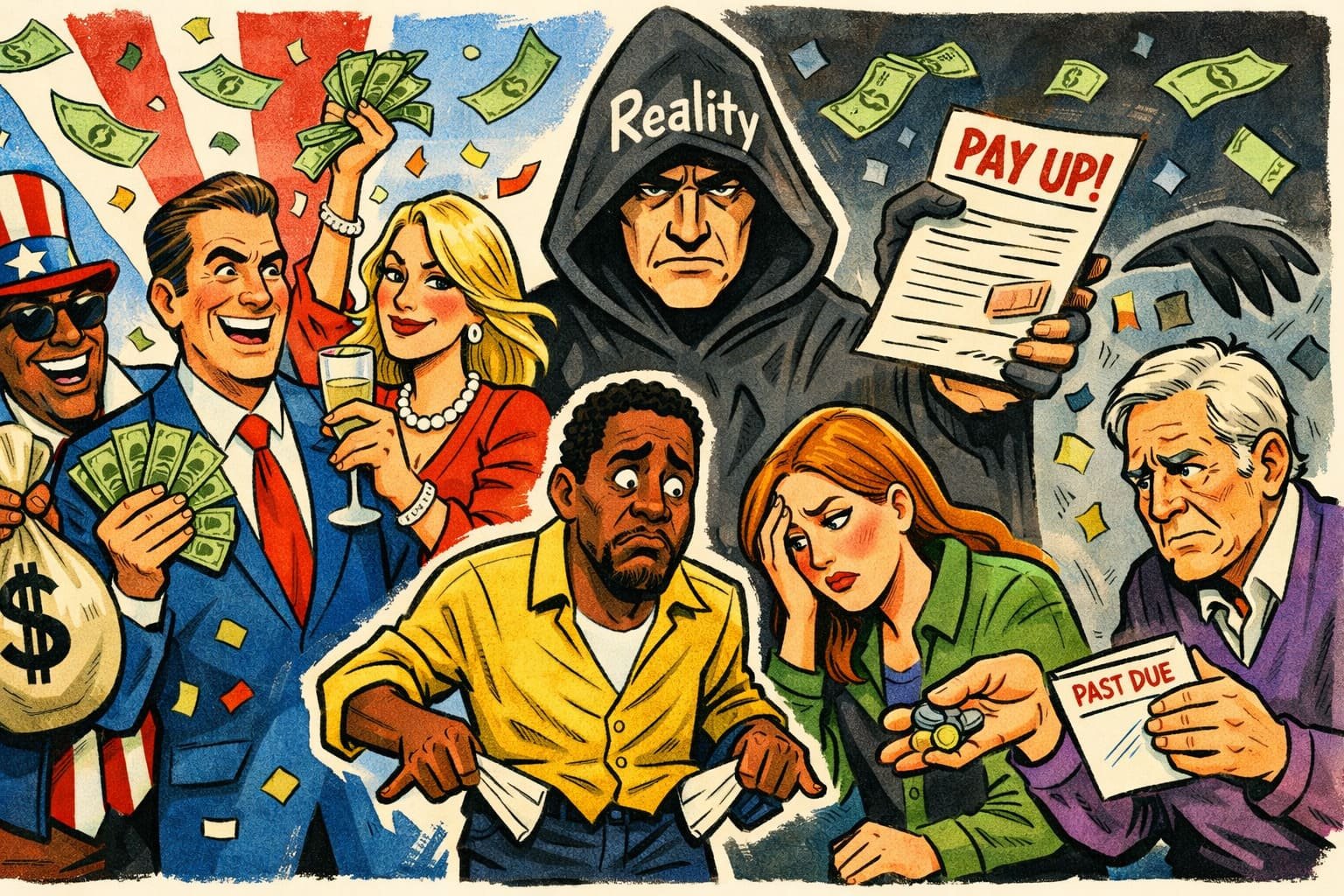
Election season has a smell. Part warm paper, part fresh paint, part borrowed confidence. Promises come dressed as compassion, tax cuts arrive wrapped in patriotism, and spending plans are presented with the bright smile of a magician asking the audience to watch the left hand. The budget turns theatrical. It begins to flirt. It stops sounding like a record of trade-offs and starts sounding like a loyalty program for voters. That is the danger. Election budgets do not merely spend money. They spend honesty, and honesty is usually the first deficit to widen.
Every democracy knows the temptation. Voters are tired. Leaders want momentum. Finance ministers discover a sudden appetite for relief, generosity, urgency, and national vision. Roads get resurfaced faster. Subsidies feel kinder. Tax reductions look cleaner on campaign posters than the future borrowing they imply. Political budget cycle research has long found that fiscal policy can loosen around elections and tighten after them, especially where institutions are weak or public scrutiny is easily distracted. The pattern is old because the human incentives behind it are old.
The seduction works because pre-election budgets rarely look reckless in isolation. Each item can sound reasonable on its own. A fuel freeze here. A public wage sweetener there. A temporary tax break over the horizon. A delayed reform nobody wanted anyway. Each choice can be sold as humane or growth-friendly. The problem is the bundle. When a government stacks applause lines on top of delayed costs, the budget stops being a map and becomes a mood board. It is built to survive the next vote, not the next bill.
Reality collects payment in several ways. The most obvious is the post-election hangover. Temporary giveaways expire into public anger. Deferred cuts return with sharper edges. Borrowing costs stop smiling. Investors, ratings agencies, civil servants, and ordinary households all discover that the campaign fairy tale had a second chapter written in much smaller print. Taxpayers then finance the cleanup through inflation, spending restraint, weaker services, or quiet revenue grabs that no one bragged about on stage. The applause fades. The obligations stay.
A city treasurer in Latin America once watched an incumbent mayor accelerate visible projects before polling day. Pavements were relaid. Decorative lights appeared. Public hiring quietly expanded. Residents loved the motion. It felt like progress you could see from a bus window. Months later the same city was delaying supplier payments, cutting maintenance, and pretending the books were merely going through a technical adjustment. Nothing in the campaign had been technically invented. That was the trick. The danger sat not in any one promise, but in the timing and the stacking of them.
Election budgets are especially risky because they train voters to mistake urgency for wisdom. The political class learns that restraint is punished and sugar is rewarded. A government that tells the truth about pension burdens, health costs, energy subsidies, or debt service sounds cold beside an opponent promising relief by Friday. So the system drifts. Each cycle teaches the next leader that credibility is optional until after votes are counted. That is not just a budget problem. It is a culture problem. Public finance begins to resemble dating-app behavior, flattering in the moment, evasive when commitment comes due.
The irony is that good politics and good budgeting are not natural enemies. Voters often accept tough choices when leaders explain them with respect and consistency. What destroys trust is not austerity or generosity alone. It is the whiplash. People can tolerate hardship if they feel the plan is real. They lose faith when a pre-election budget says everything is affordable and a post-election budget suddenly discovers gravity. At that point even necessary reform feels like betrayal because citizens were first invited into a fantasy and then blamed for believing it.
There are better ways to handle election pressure. Independent fiscal institutions help. Medium-term budget frameworks help. Honest costings of manifestos help. So does a political culture that treats fiscal arithmetic as public hygiene instead of partisan theater. Some of the strongest democratic systems do not avoid electoral pressure. They contain it by making the fiscal consequences visible before campaign language has time to become folklore. Sunlight does not remove temptation, but it makes seduction harder.
The most cynical budget operators know a grim little secret. People often notice a giveaway immediately and barely notice the future payment. A tax credit lands like a gift. A weakened hospital roster or delayed rail upgrade arrives months later with no neat label attached. Cause and effect drift apart. That gap is where irresponsible politics feeds. It is the same trick used by cheap online shopping, one-click pleasure now, mysterious charges later. Election budgets are the state doing retail psychology on its own citizens.
Even so, not every election budget is dishonest. Governments sometimes face real shocks and genuine public pain close to polling day. Relief may be justified. The fiscal question is whether the help is targeted, temporary, and funded in a believable way. That is where most seductive budgets give themselves away. They promise permanence with temporary money, broad relief with fuzzy financing, and painless generosity in economies already carrying older promises like unpaid emotional debt. It is a lovely script until the cash register speaks.
A national budget should be a moral document as much as a financial one. It reveals whether leaders trust citizens enough to tell them hard truths before the confetti cannon fires. It reveals whether public debate can survive contact with arithmetic. The World Bank and later research on election-driven fiscal cycles show that deficits often worsen around elections and unwind later, which is another way of saying politics borrows certainty from the future and repays it with discomfort.
When the election banners come down and the posters fade in the rain, the budget remains, sober, unblinking, and harder to charm than a crowd. It sits there like a witness who heard every promise and kept every receipt. That is what makes election budgets so emotionally powerful and so economically dangerous. They are love letters written on official stationery, thrilling at first glance, costly on the second, and unforgettable once reality begins collecting what rhetoric tried to postpone. The real test comes later: can a democracy learn to desire honesty as much as it desires relief?
