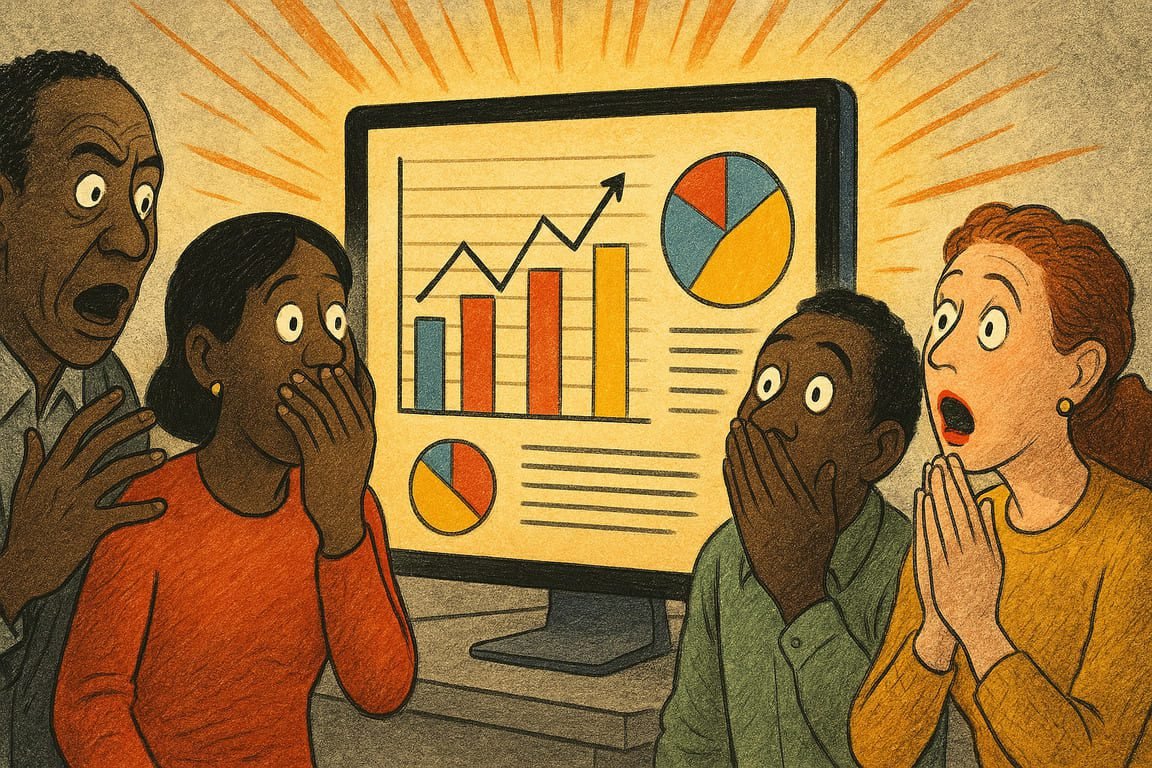
Low light flickers in a packed newsroom, where editors circle a glowing monitor, jaws set, eyes unblinking. A single infographic pulses on the screen, its story revealed through color and motion, not paragraphs. It’s the data drop no one expected—numbers spun into shapes, secrets slipped beneath the surface, making old truths look new and urgent. Out in the digital wild, the chart ricochets through inboxes and group chats. Rivals scramble to catch up. Audiences forget yesterday’s headlines, craving the next hit of visual revelation. The room pulses with anticipation. Somewhere, a data whisperer just changed the game.
You have seen it: bland reports and endless numbers fail to spark anything but yawns. But the right infographic? It detonates the myth that data is boring. You scroll, pause, and suddenly, a wall of numbers makes sense. It feels less like work, more like discovery. Infographics don’t just display facts. They plant ideas in your head—memorable, sticky, impossible to ignore. The world’s best brands use them as secret weapons to educate, provoke, and delight.
Think about Spotify’s annual “Wrapped” campaign. Data visualization becomes a party, not a chore. Users share colorful breakdowns of listening habits, transforming personal stats into social currency. When people brag about their top artists, that’s not just fandom—it’s data-driven pride, fueled by irresistible graphics. Spotify could have published raw spreadsheets. Instead, it built a ritual millions anticipate.
Designers know that information isn’t valuable until it’s visual. Consider how The New York Times wins Pulitzer Prizes with stories that unfold as interactive graphics. Readers explore timelines, click through maps, and discover truths they might never have understood in plain text. When data is shaped into narrative, it commands attention and trust.
Case in point: Sarah, a junior marketing analyst, needed to persuade her boss that a product launch was flopping. Instead of another slide deck, she mapped results onto a bold infographic—emotions, losses, near-misses, and moments of hope. The team finally “got it.” What changed wasn’t the data, but the way it came alive. Infographics make even bad news actionable.
Great infographics thrive on clarity. The magic is in ruthless editing: only the essentials remain. No crowding, no clutter. Google’s “Year in Search” visualizations are legendary for a reason—clean lines, focused color, and just enough movement to make meaning leap from the screen. When information is distilled to its essence, anyone can understand and share it.
Emotion powers impact. Smart infographics tap into fear, hope, or excitement. A climate change dashboard can raise urgency in seconds. A finance startup’s pie chart—animated to show shrinking debt—spreads optimism. Even dry topics, when visualized with care, stir real feeling. Remember, the most shared graphics provoke reactions, not just thoughts.
Viral infographics borrow from pop culture. Memes, icons, or cheeky references become the hook. Brands like Duolingo and Headspace season their data with humor and pop style, breaking down walls and earning trust. When an infographic speaks the language of the internet, it travels farther, faster.
Personalization is a secret accelerator. Interactive infographics—where viewers punch in their own data or see themselves in the chart—forge instant connection. LinkedIn’s “Career Explorer” lets users visualize job paths, while fitness apps show weekly progress in colorful graphs. The more your data story feels like a mirror, the more it moves the audience.
Transparency is non-negotiable. Audiences crave honesty, not manipulation. When COVID-19 dashboards swept the web, clear, honest infographics made complex realities accessible. The brands that tried to spin, fudge, or hide numbers lost trust instantly. People respect visuals that tell the full story, warts and all.
Design evolves. Once, bar charts and pie graphs ruled. Now, motion graphics, scrolling timelines, and augmented reality visualizations lead the charge. TikTok creators turn complex trends into swipeable infographics, teaching millions in seconds. The lesson: adapt your style, or watch your message fade.
At their best, infographics are not just tools, but turning points. They spark debate, reshape perception, and drive decisions. They can break a myth, launch a movement, or expose the invisible. In the hands of a fearless designer, even the smallest data point can start an avalanche.
Beneath the cool glow of office lights, a single infographic rests on a giant screen, colors swirling with truths long hidden. Numbers become characters in a drama, lines weaving hope and warning together. Around the world, leaders, dreamers, skeptics, and everyday people stare, startled by revelations they can no longer unsee. Data has spoken, and the world leans in, hungry for the next secret. Are you ready to show what’s really hiding in your numbers?
