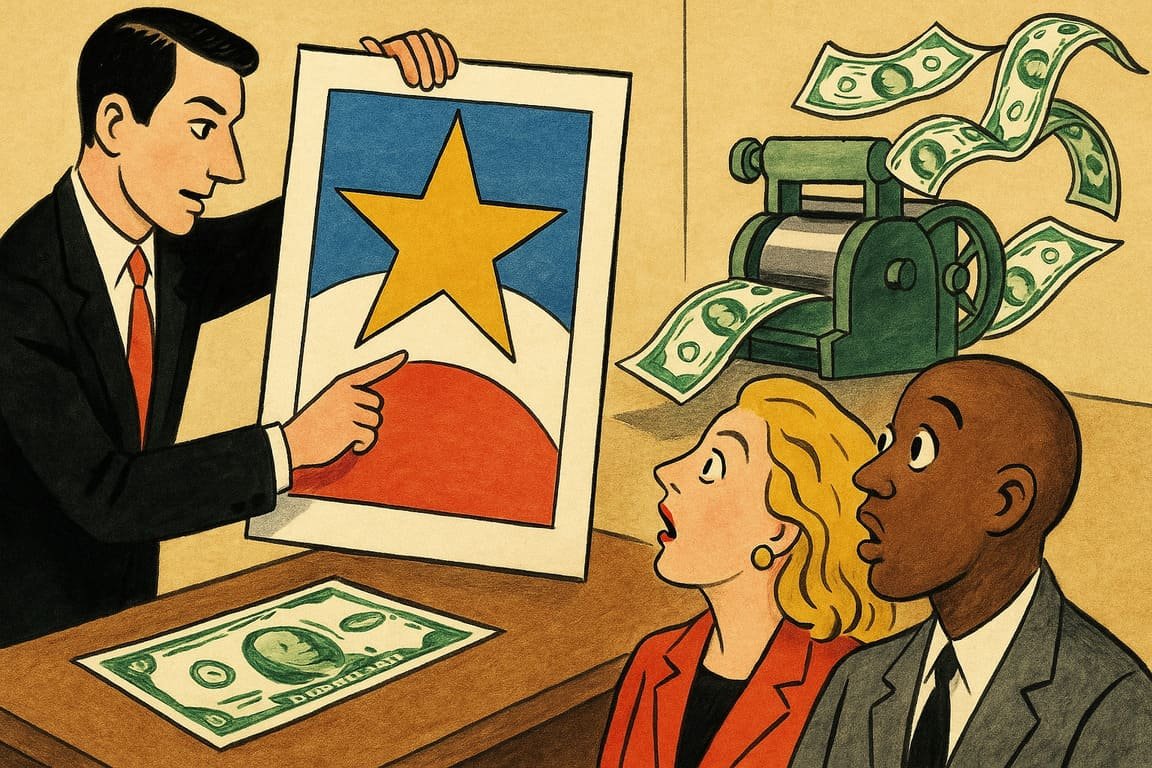
Before dawn breaks, office lights flicker on in creative studios across the globe. Teams huddle around glowing screens, coffee brewing in the background, as they prepare pitches that could change a client’s future. On one side, a founder’s bold dream. On the other, the precise hands of a designer ready to translate chaos into clarity. In this drama, design is not a luxury but a high-stakes investment. It whispers confidence into skeptical boardrooms and breathes life into the forgotten corners of an old brand. The real story behind every memorable campaign or logo is this: design that works doesn’t just please the eye—it prints money.
Each designer’s challenge is deceptively simple. Can you capture a client’s vision, dazzle their audience, and multiply revenue, all at once? Legendary consultant Carlotta Hughes tells the story of a startup that brought her a muddled idea, desperate for direction. With nothing but a sketchpad and relentless curiosity, she mapped their journey into a visual brand. Six months later, the company’s web traffic doubled. More important, investors called just to ask who made it all look so irresistible. The difference was not the code, but the confidence that smart design radiated from every pixel.
When you work with clients, every conversation is a negotiation between possibility and practicality. You listen for the unspoken anxieties in their voice, those hints that they want magic but fear failure. Every project asks you to dig beneath the surface. Why are you rebranding? What does success look like? Real designers know that the answers rarely sit on a moodboard—they hide inside business goals, customer feedback, even staff grumblings over morning coffee.
A designer’s toolbox is more than fonts and palettes. It’s intuition, business sense, and a dash of psychological wizardry. Consider how digital agency Origin unlocked a retail client’s stagnant sales with nothing but a new navigation bar and sharper calls-to-action. Customers found the site friendlier, conversion rates soared, and competitors took notice. The lesson is clear: form follows function, but fortune follows function that feels delightful.
Stories of transformation shape the legend of design. Remember when Luna Cosmetics ditched pastel chaos for a stark, monochrome look? The gamble paid off. Suddenly, buyers associated the brand with minimalist luxury, and average order value jumped overnight. “You have to make people feel something in two seconds,” Luna’s lead designer, Ivan Zhang, told DesignWire. “It’s not about pretty—pretty is for wallpaper. Design that works is about changing behavior.”
You want every client to walk away stunned, yes—but more than that, you want their audience hooked. Great design builds relationships that outlast any launch event or campaign splash. When Blossom Bank overhauled its digital portal with intuitive layouts and joyful animations, customer satisfaction scores soared. People lingered, explored more, trusted the brand with new accounts. Blossom’s CEO called it “the best investment we ever made,” not just for the buzz, but for the tangible trust it built.
Design thinking borrows from architecture, psychology, even pop culture. Why do Spotify’s playful playlists win loyalty, or why do Nike’s ads pulse with energy? Each is built on empathy. You walk in the end-user’s shoes. You test, tweak, and test again, chasing that elusive spark where usability meets delight. If you want to dazzle clients and print money, learn to treat feedback as a goldmine, not a hurdle.
The market is crowded. Mediocrity fades fast. A designer’s reputation is forged on results, not intentions. When freelance illustrator Leo Marin got a rush gig for a food delivery app, he skipped trend-chasing and instead asked, “What will make people hungry?” He hand-drew mouthwatering icons, colors that popped on tiny screens, and playful micro-animations. Orders spiked. The client tripled his fee for the next project.
A hidden power of design: it gives brands a shield against competition. When two companies sell the same product, the one with sharper design and clearer voice always wins the fight for attention. Real estate firm Citywise, facing a surge of new rivals, doubled down on an interactive website with 3D neighborhood tours. Prospects spent hours exploring. Listings filled up. Clients told friends, and suddenly, Citywise was a must-visit destination, not just a business.
Every designer faces the myth of the “perfect client.” In truth, the best relationships are built through honesty and trust. Dazzling a client means listening as much as leading. When Fiona Lee, a veteran creative director, inherited a legacy car brand project, she spent weeks interviewing mechanics and sales staff—not just executives. The resulting campaign broke sales records, not because of a wild idea, but because every detail echoed the authentic story she heard from the people on the ground.
Technology changes, but human needs don’t. Clients crave reassurance, audiences crave connection. Design that works bridges both worlds. Don’t chase fleeting trends—focus on what makes people care, what makes them return. That’s how you build a portfolio that dazzles, a client list that grows, and yes, a bank account that thanks you.
A single project can start a ripple effect. When a wellness app launched with simple, cheerful icons and a color palette inspired by sunrises, users raved. Churn dropped. Reviews glowed with gratitude. Investors noticed the buzz. The story: thoughtful design multiplies returns far beyond the contract’s final check.
Long after the applause fades, the best designs still work in silence. They whisper through screens, print ads, and packages, carrying the client’s dream into new hands and hearts. The studio lights dim, but the mark of a great designer endures, like a signature etched in gold.
You hold the power to dazzle, disrupt, and print money. Will you take the stage or watch from the crowd?
