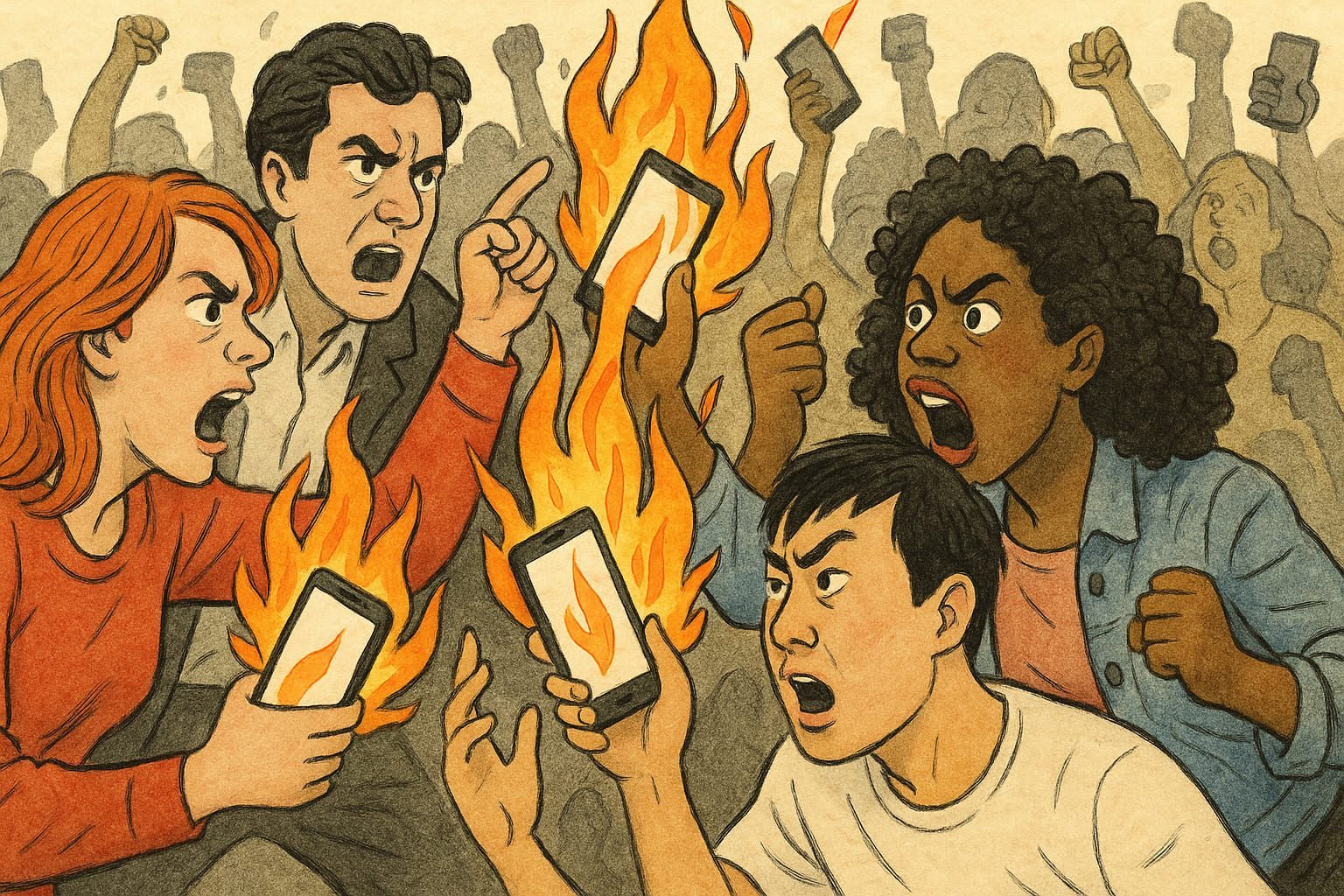
On a cold midnight, servers buzz with secret chatter as screens across the world flicker to life. Dorm rooms and boardrooms become campfires, where strangers gather in digital clans, their avatars surging across forums, group chats, and livestreams. At the epicenter, a viral meme explodes, rippling through the ranks faster than any wildfire. In a London apartment, a developer posts a half-joke, half-confession—within hours, it’s echoed in Tokyo, Nairobi, San Francisco, and Lagos. Notification pings pile up, each a tribal drumbeat summoning the next wave.
A startup CEO logs into Discord, seeking feedback, but the conversation spirals. Jokes turn to insults, alliances form and fracture in minutes. Meanwhile, in a fluorescent-lit kitchen, a high school student faces a swarm of notifications after a TikTok goes viral. Her friends cheer, rivals jeer, and anonymous critics sharpen their knives. In this whirlwind, every moment is performance, every opinion a spark to ignite chaos.
At sunrise, digital tribes ride the energy of a sleepless night, eager for the next rallying cry. In this new wild frontier, belonging is instant, loyalty is fickle, and the price of standing out is often paid in anxiety and adrenaline.
Quick Notes
- Instant Belonging, Endless Turmoil: Tech communities form overnight, creating intense bonds—and even more intense divisions.
- Viral Chaos Rules: Memes, trends, and drama spread at lightning speed, fueling conflict, creativity, and sometimes destruction.
- Lives Shaped by the Swarm: Real people find friendship, fame, or heartbreak in the unpredictable turbulence of online tribes.
- The Double-Edged Sword: Tribal energy can create movements and breakthroughs, but also burnout and mob justice.
- Your Place in the Storm: In a world of digital clans, everyone must choose what to follow, what to fight, and when to walk away.
Fires in the Dark – How Tribes Take Shape in Seconds
The digital world is built for tribes. A single hashtag unites thousands, turning strangers into teammates overnight. A gamer in Poland organizes a speedrun event; by sunrise, volunteers from five continents are building schedules and designing graphics. What starts as a hobby morphs into a global festival, powered by trust and a shared sense of mischief.
Memes fuel the first flames. A bored college student in Seoul uploads a parody video—within an hour, it’s adopted as the anthem of a subculture, remixing until even its creator can’t keep up. Followers build inside jokes and secret codes, marking newcomers by their fluency in tribal lore. One minute you’re outside, the next you’re home.
Tech communities thrive on this energy. Open-source projects recruit new coders through viral threads. A nonprofit in Nairobi raises funds for flood relief after a campaign catches fire on Twitter. The mood is electric, purpose-driven, and fiercely protective. “When we rally, things change,” says an organizer, pride and exhaustion mingling in her voice.
Yet every tribe draws lines. A streamer in Brazil discovers that one sarcastic comment earns a thousand new fans—and a hundred trolls determined to bring him down. His DM inbox is a battlefield, full of both adoration and threats. “It’s wild,” he tells a podcast host. “They’ll lift you up, but they’ll tear you down just as fast.”
Belonging is addictive. A freelance designer in Berlin admits she checks her Discord notifications before breakfast, hungry for validation. “I feel lost when I’m not plugged in,” she confesses, “but I’m exhausted when I am.” The digital campfire warms and burns in equal measure.
Chaos Reigns – Viral Frenzy and the Rise of the Mob
The same energy that builds tribes also fuels chaos. An innocent question on a forum mutates into an all-night flame war, with strangers leaping to defend, attack, or simply watch the spectacle. A high school teacher in Chicago posts a classroom resource; within hours, the debate spirals into politics, ethics, and personal attacks. She closes her laptop, shaken by the intensity.
Misinformation spreads like wildfire. A rumor in a fan community morphs into accepted fact, reshaping reputations in a flash. A young actor in Mumbai wakes up to find his career derailed by a doctored video. Supporters rally, but the damage is swift and hard to undo. “The mob doesn’t wait for facts,” his agent laments. “It just moves.”
Brands and politicians court tribes, hoping to ride viral momentum. Sometimes it works—a sneaker drops, a movement forms, sales skyrocket. Sometimes it backfires. An energy drink company launches a meme campaign, only to see it hijacked by pranksters who turn the brand into a running joke. The company’s spokesperson tries to keep up, but the narrative escapes control.
Communities splinter with shocking speed. A software team in Tel Aviv fragments after a heated Slack argument about company values. Old friends become bitter rivals, projects stall, and trust evaporates. Later, the founder admits, “We built something great, then watched it tear itself apart.”
Yet, for all its volatility, the chaos can spark innovation. A hackathon devolves into an argument, but from the ashes rises a new collaboration—fresh, raw, and unplanned. The line between disaster and breakthrough is razor-thin.
Friendship, Fame, and Fallout – Real People in the Swarm
The promise of instant belonging brings both joy and heartbreak. A lonely teen in Toronto finds her tribe on a poetry server, sharing verses late into the night. For the first time, she feels heard. When a disagreement fractures the group, the pain is real—a breakup by bandwidth, no less wrenching than in-person loss.
Fame arrives on a whim. A junior coder in San Francisco posts a clever solution to a common problem. Overnight, she’s hailed as a genius, inundated with messages and job offers. The spotlight is bright, but unforgiving—one misstep and the tribe turns cold, moving on to the next sensation.
Support is powerful. After a natural disaster in Indonesia, survivors rally on social platforms, organizing aid and sharing updates in real time. Lives are saved, hope rekindled. The tribe becomes a lifeline, transcending borders and politics.
But the price of constant connection is high. An artist in Lagos leaves an online fandom after months of harassment. “I loved the energy, but it became too much,” she says. Her story echoes across communities—a pattern of burnout, withdrawal, and sometimes relief.
Offline, the lines blur. A game developer in Montreal attends a fan meetup, expecting awkward introductions but finds instant camaraderie. Stories and jokes flow as if they’ve known each other for years. The digital tribe, it turns out, is very real when the screens go dark.
Double-Edged Power – Movements, Mob Justice, and Burnout
Digital tribes can move mountains—or trample bystanders. A hashtag campaign brings down a corrupt official in Manila, celebrated by citizens but mourned by the falsely accused. The thrill of victory is tempered by stories of lives ruined by rumor and mistake.
Innovation blossoms in the storm. A software collective in London crowdsources a solution to a public transit glitch, winning praise and gratitude. The same community, days later, devolves into arguments about recognition and credit. Triumph and chaos dance together, never far apart.
Mob justice is swift. An author in Melbourne is “canceled” over an old tweet, losing contracts and friends. A week later, the tribe shifts its focus, leaving the author to rebuild from the wreckage. Some learn resilience; others disappear.
Burnout is a silent epidemic. Moderators of large forums report sleepless nights, constant anxiety, and the weight of keeping peace among strangers. One admin in Johannesburg closes her group after a toxic incident, vowing never to return. Her friends beg her to reconsider, but she’s already moved on.
Yet, for all the risk, the tribe’s energy is irresistible. Movements for justice, innovation, or joy spring up overnight, impossible in the old world. The secret is not to avoid the chaos, but to learn to surf it.
Finding Your Ground – Choosing Your Battles in the Digital Wild
The chaos of digital tribes demands self-awareness and strategy. Some users jump from group to group, collecting memes and allies, but never settling down. A comedian in Boston builds her brand on “tribal tourism,” poking fun at each community’s quirks. Her popularity grows, but she admits, “I still haven’t found my home.”
Others plant roots. A writer in Nairobi nurtures a small, private Discord, favoring depth over numbers. Her group grows slowly, but the loyalty is deep and sustaining. “We fight, we forgive, we keep going,” she says.
Leaders emerge from the storm, learning to harness tribal energy without losing their souls. A tech CEO in Zurich builds a company culture that channels chaos into creativity. Her secret: regular breaks, real talk, and a willingness to walk away from toxic threads.
Mental health takes center stage. Therapists teach “digital self-care,” helping clients set boundaries and recover from online drama. Apps emerge to mute, pause, or block—tools for finding peace amid the frenzy.
In the end, each person chooses what to join, what to leave, and what to build. The tribe can be a launchpad or a trap. The only constant is change—and the need to decide, every day, where you stand in the digital wild.
The Dawn After the Storm: Choosing Your Signal
The servers settle as morning breaks, pings fading to silence. In quiet rooms, tribe members wake to new threads, fresh challenges, and the memories of last night’s chaos. Some reach for their screens with anticipation, others with caution. A few close their eyes, letting the calm linger a little longer.
Outside, the world is unchanged—but inside, alliances have shifted, friendships have formed or broken, new ideas simmer. The frenzy may return, but for now, there is space to breathe, to reflect, to choose.
The digital campfire never dies. Its glow is warm, wild, and waiting. Now, you decide what signal to send—and which tribe to call your own.