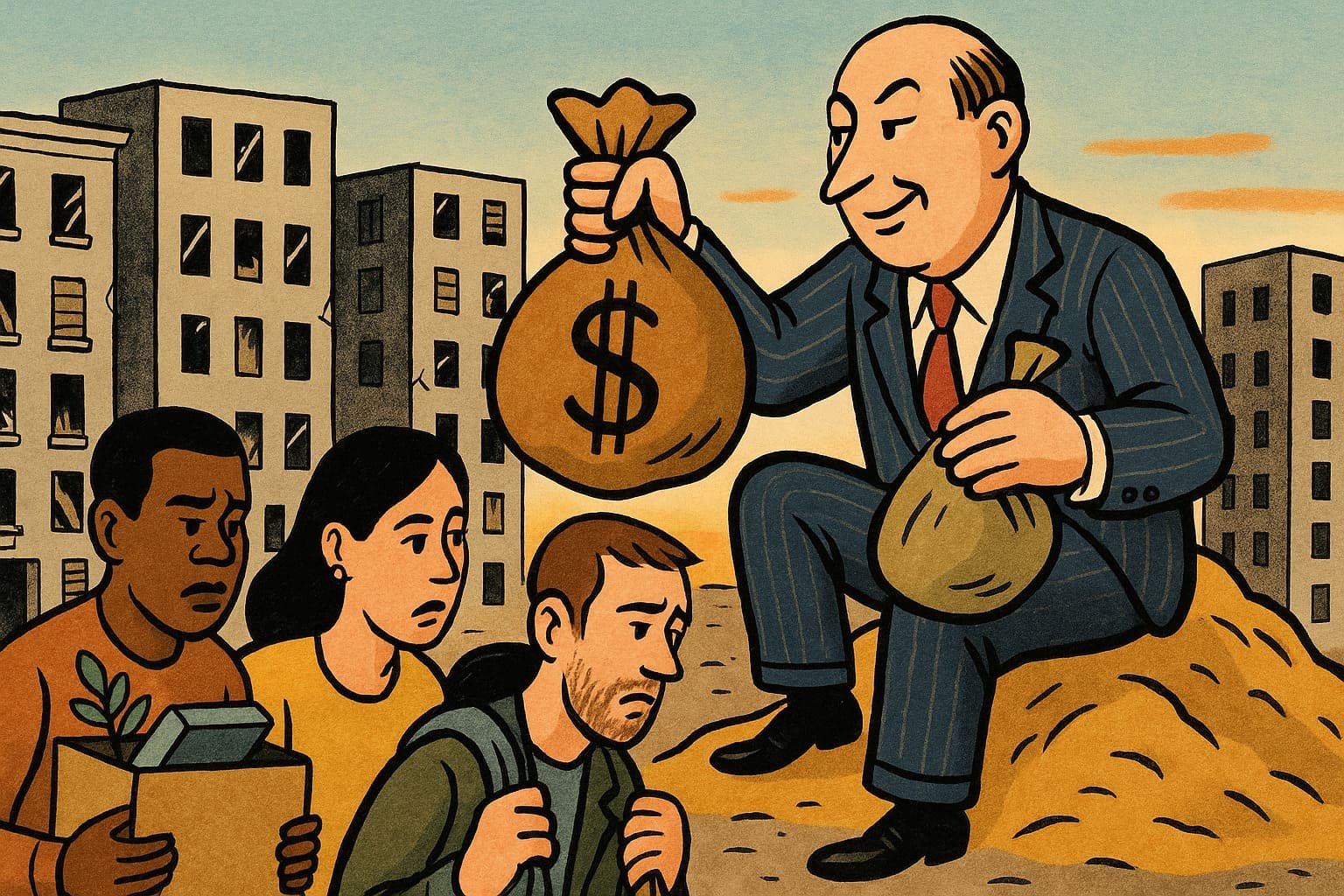
Under a wash of corporate fluorescence, rows of hopeful faces flicker against glass walls, their ambitions sharp as neon. This is the modern gladiator pit: startup pitch night. Overpriced kombucha bottles chill on the table, condensation tracing anxious circles as founders rehearse elevator speeches for the twentieth time. The hum of expectation cuts through the air, a quiet orchestra conducted by PowerPoint slides and the flutter of projected valuations.
Inside this glass fishbowl, everyone’s a performer. The VC panel watches from their perch, expressions practiced, eyes cold behind designer frames. The room smells faintly of whiteboard marker and stale pizza, reminders of all-night coding and caffeine-fueled daydreams. When the spotlight snaps on, it’s showtime—a parade of founder monologues, each promising the next unicorn, each voice carefully tuned for the language of disruption. Hope is currency, traded in fifteen-minute increments. Every handshake, every nod, is a lottery ticket toward escape from obscurity.
But beneath the surface, a second show plays out. In the back row, an engineer named Leo scrolls through Slack, barely listening, his mind replaying last quarter’s missed payroll. His co-founder, Sienna, sits beside him, knuckles white, rehearsing answers to imaginary investor questions. There’s irony here: those with the power to fund change are also the gatekeepers who demand conformity. Authenticity is a dangerous luxury in these halls.
Across the city, another founder stares at his phone as the verdict drops—Term Sheet, conditional. Suddenly, every message from the board feels like a test, every interaction a negotiation for the right to keep steering his own ship. He remembers when building things felt magical, before “runway” and “burn rate” shadowed his dreams. The hustle never promised this much sacrifice, or that a savior with a checkbook might own the soul of the story.
This is the velvet cage: founders become avatars, molded by investor expectation, measured in metrics that rarely capture the heart of creation. What gets funded grows, but what grows often twists itself to please its patrons. The boardroom isn’t just a stage—it’s a sieve for human ambition, catching only what fits the mold and discarding the rest. In this shimmering illusion, everyone plays to win, but few realize what they’ve wagered until it’s already gone.
Quick Notes
- Mirage Economics: Chasing investor cash shapes your every move, warping even the boldest startup visions into crowd-pleasing stunts that strip away real originality. Venture funding is a high-stakes costume party where only the flashiest mask survives.
- Personality for Sale: You give up quirks, honesty, and even moral compass when courting those who promise to bankroll your dreams. What starts as a passionate project quickly morphs into an investor-approved clone, custom-fitted for spreadsheets.
- The Cost of Obedience: Real-life founders, like Monique at VelaTech, learn that boardroom approval can come at the price of gut instincts, friendship, and mental health. Every “pivot” is a gamble with your soul as collateral.
- Survival of the Blandest: The biggest VC-backed winners are often the safest bets, not the wildest ideas. Silicon Valley worships disruption, but funds predictability. Who gets rich? The chameleons who blend in until the exit.
- Endgame Reflection: In the final scene, the real question isn’t how much you raised—it’s whether the version of you left standing is still the one you set out to become. The biggest risk isn’t failure. It’s vanishing.
Venture Capital Carnival—Funding the Show, Losing the Plot
Every year, thousands of founders step onto the fundraising stage, compelled by the seductive promise of capital that might change their fortunes forever. The process feels like entering a high-stakes reality TV game: perform well and you win validation, funding, and a shot at immortality. But what no one tells you is that the price of entry often includes trading your story for theirs.
The game rewards spectacle over substance. Investors, hungry for a tenfold return, aren’t seeking quirky passion projects—they want scalable, repeatable success that fits within their risk models. Monica, a founder from Brooklyn, built an app designed to help caregivers reconnect with elderly relatives, fueled by her own family’s struggles. Her earliest investor loved the idea, but only if she could reframe it as a SaaS product for senior care facilities, stripping away everything personal. The rebranding worked. The heart, she admits, was left behind.
Famous startup stories often obscure this trade-off, focusing on outsized rounds and rags-to-riches arcs. In reality, most pitch decks become carbon copies, all buzzwords and graphs, carefully curated for maximum investor appeal. The carnival atmosphere, complete with “demo days” and staged excitement, masks the exhaustion behind the scenes. The celebration isn’t for authenticity; it’s for whoever can sell the cleanest, safest, most monetizable fantasy.
Founders get swept up in this theater. The desire to please, to appear fundable, turns creative energy into a performance. One startup, Pivotly, swapped their entire business model in a single weekend because their seed investor threatened to pull out. Founders reframe their vision, learning to mimic industry darlings—hoping to become the next headline act. The applause is addictive, but it’s hollow.
This relentless chase for funding turns hope into a mirage. What looks like a victory is often just the beginning of a slow erosion, as the original mission fades, replaced by targets set in distant boardrooms. Money can fuel dreams, but it can just as easily drain them of color, leaving only the outlines behind.
Founder Identity Theft—When Investment Kills Originality
Every pitch you make isn’t just for dollars—it’s for acceptance, legitimacy, and the permission to exist in an unforgiving ecosystem. It’s easy to believe you can win the money and stay true to yourself. The truth, rarely spoken out loud, is that investment can erase more than it creates.
You start out wild and weird, with a vision no one else quite gets. But when the stakes are raised, every difference feels like a risk. Investors want something they recognize, something they can explain to their partners. Your quirks, your story, your edge—these become liabilities in a world that worships the proven template.
Consider VelaTech, founded by Monique Duval, who imagined a platform where independent musicians could own their work and royalties. When venture money came calling, the terms included a rebrand, a new monetization model, and a focus on influencer deals—none of which Monique believed in. She pushed back, then relented, then watched her team fracture over the identity crisis. One by one, her original co-founders drifted away, casualties of a vision that had been surgically sanitized.
This isn’t just an isolated cautionary tale. You see it in every founder who starts with a burning question—then finds themselves reciting someone else’s answers. Investors say they crave disruption, but they fund what feels safe. Innovation gets trimmed down, edges rounded off, until only a shadow remains. It’s the business equivalent of identity theft.
The lesson is both brutal and liberating: if you want to keep your soul, you have to protect it fiercely. That means saying no to the money sometimes. Or, at the very least, recognizing what you’re really trading when you say yes.
The people who endure, who manage to keep a spark alive, are rarely the darlings of the funding world. They move quietly, bootstrap longer, and resist the lure of easy money in favor of real, messy, original creation. Their work isn’t always easy to sell, but it’s honest—and that honesty is its own rare currency.
The Boardroom Pressure Cooker—Obedience, Burnout, and Silent Suffering
The celebration when money hits the account is often short-lived. For every founder who lands a term sheet, the real work begins the next morning. Suddenly, you’re not just accountable to yourself or your team—you’re managing expectations for people who may never use your product, but will judge your worth by metrics alone.
You learn to speak the language of KPIs, churn, and conversion rates. Everything you do is measured, reported, and dissected in investor calls that feel more like interrogations than collaborations. The culture of obedience can be stifling. One founder, Ravi at Synthetica, remembers when he spent days building an innovation his investors deemed “too risky.” The product never shipped. Instead, he became an operator, optimizing spreadsheets while his original team shrank from twelve to six.
This new reality breeds burnout. Long hours, frayed nerves, and growing distance from the mission that once brought everyone together. Friends become employees, employees become statistics, and culture devolves into “alignment meetings” that never seem to end. The weight of obedience crushes what made the company special in the first place.
Behind closed doors, founders confide in each other about panic attacks, chronic insomnia, and the slow erosion of personal relationships. Few admit these truths in public, fearing they’ll be seen as weak or unfit for the marathon of entrepreneurship. Yet the cycle repeats, from one startup to the next, until someone dares to break the silence.
True innovation rarely survives in a vacuum of compliance. The founders who resist, who fight to preserve their vision, often face greater risk—but their stories, when they succeed, are the ones that shape industries. They remind us that the cost of obedience is rarely visible on a balance sheet.
Chameleons at the Top—How Blandness Wins, and Why Risk Takers Vanish
The biggest winners in the startup lottery are rarely the outliers—they’re the chameleons, the ones who learn to change color at the right time. These founders study the patterns, mimic the speech, and sell the story investors want to buy. It’s a skill, and it pays, but it comes with a hidden cost: the death of real difference.
You might recognize some of these faces from glossy magazine covers or viral Twitter threads. Their stories sound like adventure but read more like instruction manuals. They pivot fast, pivot often, and always seem to say the right thing. It’s a model for survival, not revolution.
Silicon Valley mythology loves the narrative of the maverick who breaks all the rules. The reality is more like Survivor: the most adaptable, the least polarizing, and the most eager to please are the last ones left standing. When risk is punished and reward goes to the safest hands, bold ideas get quietly erased. The next big thing? Probably something you’ve already seen.
There’s nothing inherently wrong with adaptation. Every business needs to evolve. But in a system that punishes risk and elevates conformity, creativity withers. The stories that change the world are never bland. They’re inconvenient, uncomfortable, and sometimes unwelcome. But they’re also what makes progress possible.
A micro-story: Sara, a product manager at a mid-stage SaaS company, watched as three promising ideas were scrapped after a single board review. “Just do what’s already working,” the board advised. “Don’t reinvent the wheel.” The company hit its numbers. Sara quit a month later, taking her notebook of discarded ideas with her.
The Real Stakes—What’s Left When the Curtain Falls
The grand finale of every startup journey isn’t found in a funding round, a press release, or even an IPO bell. The real ending happens offstage, after the applause, in the quiet reckoning of what’s left when the lights go out. For too many, it’s a hollow victory.
The founder of a health-tech startup once confessed to a friend, “I barely recognize what we built anymore. The original idea was lost somewhere between our Series A and Series B.” He’d followed every rule, hit every milestone, and lost himself in the process. The price of playing the game was paid not in dollars, but in parts of himself he couldn’t get back.
For some, the story ends with a buyout and a beach house. For others, with an exit they’d rather forget. The survivors of this system sometimes build again, but more often, they walk away—wiser, sadder, and far more careful about what they’re willing to trade for another shot at the big time.
There is an alternative, but it’s harder. It means fighting for what matters, refusing to accept every term, and being willing to walk away from a deal that feels wrong. It means building slowly, patiently, and with conviction, knowing that the version of yourself that finishes the journey matters more than any cap table ever could.
No one promises you this when you sign your first term sheet. But the stories that endure aren’t about the money—they’re about the people who refused to let hope become a mirage, and who chose to keep their soul, even when everything else was up for sale.
Shadows in the Glass Palace
A last light flickers through the polished lobby, reflecting faces once full of hope, now glazed with fatigue and quiet regret. Empty coffee cups balance on a mahogany credenza, witness to sleepless nights that blurred into each other without ceremony. Far above, office windows mirror the city’s ceaseless glow, framing the outlines of founders and investors drifting past each other like ghosts in a grand hotel, each searching for something that slipped away in the transaction.
A maintenance worker wipes the last whiteboard clean, erasing visions and equations that once sparked laughter, arguments, and the wild promise of something new. Elevator doors close on another day. The security guard turns off the lights, leaving behind only the echo of hurried steps and a faint hum of machines still running, long after everyone has gone home.
In the silence, something lingers—a question, a challenge, a dare for anyone still watching: Will you build a story worth owning, or will you spend your life performing for someone else’s applause?