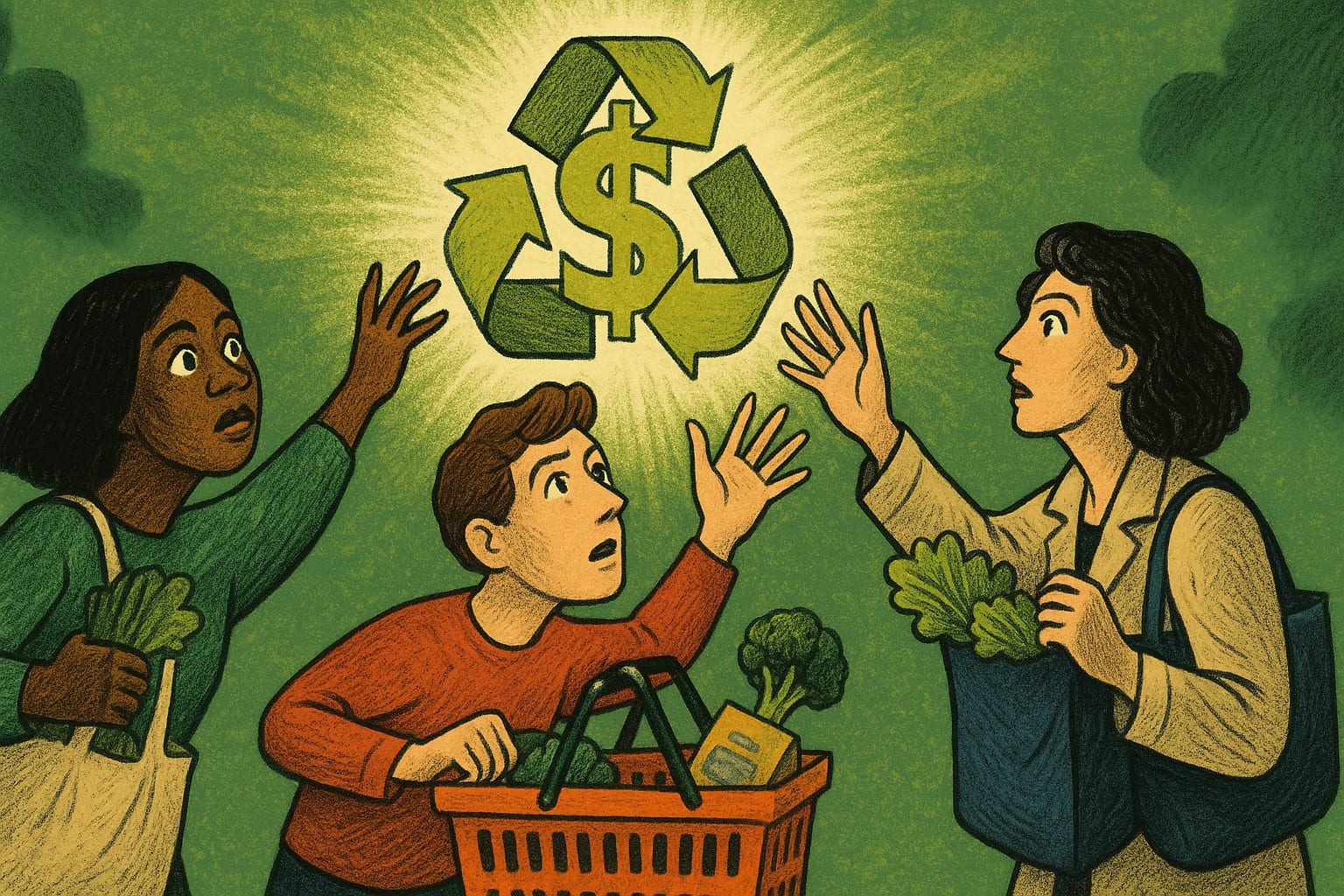
Imagine standing in a bustling store, your hand hovering between two laundry detergents. One promises brighter whites, the other whispers sustainability. One costs less, the other claims to save the planet. Which do you choose? For more and more consumers, the answer is green. We’re no longer living in an age of blind consumption; we’re living in an era where values drive value. Brands ignoring this shift aren’t just missing a trend; they’re writing their own exit story.
It’s not just about going green. It’s about being believed as green. Today’s shoppers have become ruthless lie detectors, emotionally intelligent sleuths who sniff out greenwashing with the precision of an investigative journalist. They want purpose that makes them feel powerful, and they want purchases that matter. This isn’t a luxury mindset. It’s the new cost of loyalty. The real question for marketers now isn’t should we pivot to sustainable storytelling, but how fast can we authentically deliver what conscious consumers crave?
Marketing used to be about aspiration; the life you could have. Now, it’s about alignment; the life you should live. If done right, green branding doesn’t just improve brand equity. It creates die-hard eco fans. Loyalists who defend you, promote you, and buy you on repeat, not because you sell, but because you serve. Welcome to the Green Gold economy. Let’s dig into how to win it.
Quick Notes
- Sustainability Isn’t a Feature. It’s an Identity: Brands that win are not selling green products. They’re helping customers live green lives. That difference changes everything.
- Emotional Triggers Beat Environmental Facts: Saving the planet is noble, but feeling empowered, sexy, and socially admired for doing it? That’s what really drives action.
- Greenwashing Is a Death Sentence: Half-hearted eco claims are more dangerous than silence. Authenticity isn’t a campaign; it’s a contract with your audience.
- Behavioral Design Converts Believers: Every interaction should reinforce the shopper’s new eco-identity. From packaging to product use, make them feel transformed.
- The Future Belongs to the Mission-Driven: When profits and purpose align, your brand becomes unstoppable. Think less about margins. Think more about movements.
Eco is the New Ego: Selling a Lifestyle, Not a Label
Sustainability isn’t a department. It’s a worldview. Shoppers don’t just want greener products; they want brands that reflect who they believe they are becoming. This subtle shift from features to identity is the engine behind the eco loyalty surge. A bamboo toothbrush isn’t just a tool; it’s a statement.
One powerful example is Allbirds. They didn’t just launch comfy shoes. They launched a manifesto. With transparency dashboards and carbon labeling, they empowered consumers to track their footprint while walking in style. This blend of utility and virtue forged an emotional bond few sneaker brands can match.
Identity-based marketing taps into our most primal desire: belonging. When shoppers buy from Patagonia or use Who Gives A Crap toilet paper, they’re not just purchasing. They’re performing. They’re signaling who they are to the world, and that act of identity signaling builds tribe, trust, and tenacity.
To win the green economy, brands must move from transactional storytelling to transformational narratives. The new question is: what does using your product make me? Am I a change-maker? A conscious parent? A stylish minimalist? Products fade. Personas persist.
In a society hungry for meaning, offering an eco-aligned lifestyle isn’t niche. It’s necessary. Consumers don’t want more stuff. They want stuff that means more. Brands that deliver identity win hearts before wallets.
Don’t Preach, Seduce: Emotional Triggers Create Eco Addicts
Humans rarely make decisions with logic. We rationalize with facts but act on feelings. That’s why emotional storytelling is the most potent green weapon in your marketing arsenal. Make people feel the change, and they’ll make it themselves.
Take the IKEA “Trash Collection” campaign. Instead of talking about landfill waste, they built showrooms with found garbage and turned it into designer dreams. It hit guilt, awe, and aspiration all in one experience. It didn’t preach recycling. It romanticized it.
Behavioral economists call this the “hot-cold empathy gap.” Marketers who close that gap with real emotional friction win. Fear of future climate collapse doesn’t sell nearly as well as the pride of showing off a reusable water bottle that matches your outfit.
Want viral traction? Make it personal. One sustainable skincare startup went viral after showing raw testimonials from women whose acne cleared up after ditching harsh chemicals. The focus wasn’t on environmental impact. It was on feeling empowered, confident, and clean.
People don’t want guilt-trips; they want glow-ups. Emotionally seductive marketing doesn’t shame consumers for not being eco enough. It celebrates every small win. Each product becomes a permission slip to feel proud, feel seen, and feel sexy doing good.
Greenwashing Will Get You Burned: Authenticity is Armor
There are no second chances in the age of TikTok whistleblowers. One misstep in sustainability claims and your brand risks being crucified by the very audience you tried to attract. Authenticity isn’t optional; it’s existential.
Remember the backlash against H&M’s so-called “conscious collection”? Shoppers didn’t just question the integrity. They revolted. When sustainability becomes marketing theater, consumers feel betrayed. And in an era where call-out culture is a click away, the damage is often irreversible.
Real commitment looks like transparency. Everlane, though not perfect, set a new standard by publicly sharing their factory conditions and cost breakdowns. The message wasn’t that they were done evolving, but that they were open to scrutiny. That openness breeds trust.
Greenwashing often comes from a fear of imperfection. But in today’s market, imperfect honesty beats polished fiction. Your brand’s willingness to admit flaws, set goals, and report progress invites empathy, not criticism.
Authenticity doesn’t require perfection. It requires alignment. Are your internal practices matching your external promises? Do your employees believe your sustainability claims? If not, neither will your customers.
Behavior > Buzz: Design Every Touchpoint to Reinforce Eco Habits
Shoppers won’t become eco warriors from a single ad. Change happens through design. Brands must build systems, incentives, and feedback loops that reward and reinforce behavior.
Loop, the zero-waste delivery service, reengineered the grocery experience by offering refillable packaging collected and reused. They didn’t just sell eco values; they built an eco lifestyle into logistics. The brand turned inertia into loyalty.
Sustainability must move from message to muscle. That means your unboxing experience should teach users how to recycle. Your checkout screen should offer carbon offset options. Your loyalty points should reward sustainable actions, not just purchases.
Apple nails this with its trade-in program. Instead of simply encouraging recycling, they built it into product value. Your old phone becomes currency. This is behavior design working harder than brand campaigns ever could.
True change is triggered by frictionless feedback. When people can see the impact of their purchase, they double down. When they feel like a hero, they come back. Design with that in mind.
Movements Make Money: Mission-Driven Brands Build Cult Followings
Purpose isn’t a buzzword. It’s a business moat. Brands with true missions outlive those chasing margins. Because when your brand becomes a cause, your customers become activists.
TOMS shoes pioneered this model with their “one for one” model. It wasn’t just shoes. It was solidarity. People didn’t wear TOMS to impress; they wore them to express.
Look at Ecosia. It’s a search engine. But they plant trees for every search. That simple premise converted millions of users not through superior tech, but through moral alignment. Mission elevated utility.
The strongest brands of tomorrow are movements in disguise. They don’t just sell things. They gather people. They give voice to a worldview. And in doing so, they command not just attention, but allegiance.
Your customers are waiting to join something bigger. Make your brand the invitation. But make it real. Movements cannot be manufactured. They must be believed. And belief, in today’s economy, is the most scarce and valuable resource of all.
Will Your Brand Be Missed or Forgotten?
Picture your brand disappearing overnight. Would anyone care? Would anyone protest, repost, or mourn your loss? Or would shoppers simply slide into another tab and carry on without a second thought? In the green economy, the difference between forgettable and unforgettable comes down to belief.
This isn’t about PR stunts or eco-labels. It’s about rewiring how your brand thinks, acts, and earns trust. The shoppers of tomorrow want more than products. They want promises. They want participation. They want proof.
If you can turn casual shoppers into eco fans; the kind who feel transformed by every purchase, who share your mission like gospel, and who refuse to buy from anyone else; you don’t just grow. You endure. You matter.
The green gold rush isn’t about finding the right audience. It’s about becoming the brand they’ve been waiting for. So ask yourself: is your brand trying to be liked or trying to lead?
Because the future will belong to the leaders who dare to believe that business can heal, uplift, and regenerate. And the fans? They’ll follow with wallets wide open, and hearts on fire.