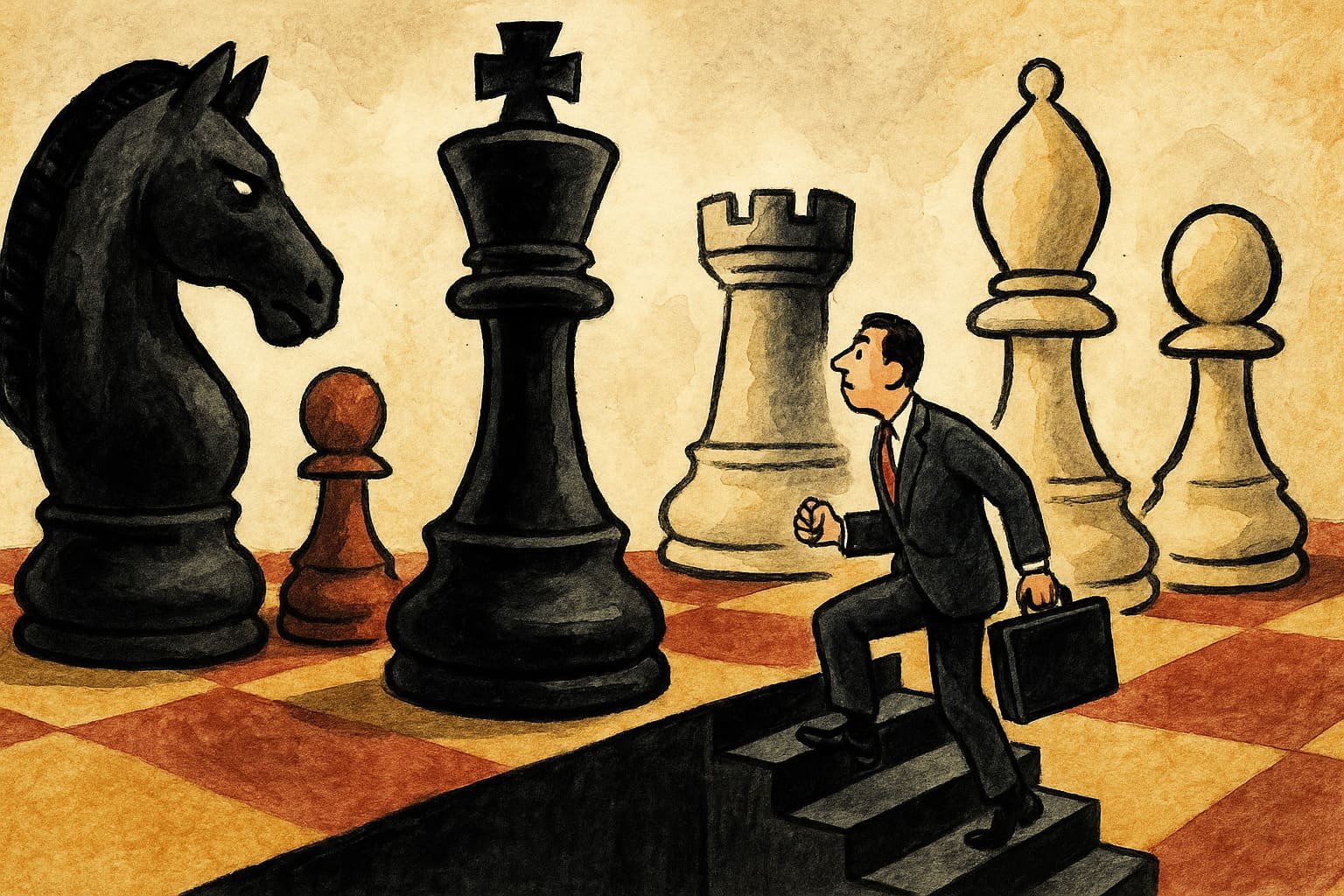
Power has a strange way of exposing people. A promotion arrives with applause, congratulations, and fresh business cards, yet none of those things prepare someone for the quiet weight of responsibility. The office feels familiar, but every conversation suddenly carries greater consequence. One careless decision can ripple through careers, customers, and communities. Leadership is rarely tested during prosperity. It reveals itself when uncertainty enters the room and everyone waits to see who will remain calm enough to think.
Many professionals chase authority believing it unlocks freedom. The opposite often happens. Every promotion expands accountability before it expands comfort. Leaders inherit difficult conversations, conflicting priorities, and decisions where every option disappoints someone. That pressure explains why technical experts do not always become exceptional managers. Knowledge builds competence. Judgment builds trust. The brutal game of business rewards people who can make difficult choices without allowing ego, fear, or popularity to become the deciding voices.
Management scholar Jim Collins described Level 5 leaders as people who combine fierce professional determination with personal humility. That combination appears almost contradictory in modern business, where loud confidence often receives the spotlight. Yet enduring organizations repeatedly demonstrate the opposite. Strong leadership rarely depends on dominating every discussion. It depends on creating environments where talented people contribute their best thinking while the leader quietly steers the mission toward meaningful outcomes.
Elena became chief executive of a family-owned furniture manufacturer after years in operations. Her first instinct was to approve every important decision personally. Progress slowed. Frustration spread through the management team. One experienced supervisor finally admitted that everyone had stopped solving problems because they expected Elena to solve them instead. She changed course immediately, delegated meaningful authority, and encouraged managers to own difficult decisions. Confidence returned, innovation accelerated, and the company regained momentum because leadership became shared rather than centralized.
History offers similar lessons. When Alan Mulally joined Ford during one of its most challenging periods, he encouraged executives to discuss problems openly instead of hiding weaknesses. At first, silence filled meetings because admitting failure felt dangerous. Gradually, honesty replaced performance theater. Real collaboration emerged because trust replaced fear. The turnaround was driven by disciplined leadership rather than dramatic speeches. Strong businesses improve when reality becomes more valuable than appearances.
Today’s workplace often celebrates busyness as though constant activity proves effective leadership. It does not. Endless meetings, overflowing calendars, and rapid email replies can easily disguise poor priorities. Great leaders know when to slow conversations before speeding decisions. They spend more time listening than defending. They welcome uncomfortable evidence because reality remains useful even when it bruises confidence. That discipline creates organizations capable of adapting before competitors recognize the need for change.
Leadership also demands emotional steadiness during moments when everyone else feels unsettled. Employees notice facial expressions before strategy documents. Customers remember honesty long after marketing campaigns fade. Investors value consistency because unpredictable leadership creates unnecessary risk. The strongest bosses become anchors rather than amplifiers of uncertainty. They absorb pressure without passing panic throughout the organization. That quiet resilience shapes culture more deeply than motivational slogans ever could because people imitate behavior long before they follow instructions.
Some leaders spend careers collecting titles while others build legacies that continue long after they leave the office. The difference rarely appears in corner offices or executive perks. It appears in the lives strengthened by thoughtful decisions made under immense pressure. Business remains a demanding arena where shortcuts eventually expose themselves and character quietly compounds into influence. Mastering the brutal game begins by mastering oneself. Every leader eventually discovers that the hardest person to manage was never the team, but the reflection waiting in the mirror.
