The chamber filled on schedule, microphones aligned, cameras ready. Speeches unfolded with practiced rhythm. Votes followed party lines almost too cleanly. From the gallery, democracy looked healthy, orderly, alive. Yet beneath the choreography, something essential had drifted. The real decisions had already happened elsewhere, shaped quietly before the room ever gathered.
Democracy did not collapse. It adapted. Power learned to move faster than process. Elections remained. Institutions stood. But influence slipped upstream into places less visible and less accountable. Task forces replaced debate. Consultants framed choices before citizens encountered them. By the time participation arrived, outcomes felt inevitable rather than contested.
People sensed the change intuitively. Engagement began to feel symbolic. Casting a ballot offered expression without impact. Trust eroded not from scandal alone, but from repetition. When participation stops producing agency, enthusiasm drains away. Apathy is not rebellion. It is fatigue.
Technology accelerated the shift. Campaigns no longer spoke to publics, but to segments. Messages tailored themselves to personality traits, fears, and habits. Two neighbors received entirely different political realities through the same device. Shared ground fractured. Democracy requires common reference points. Personalization dissolved them quietly.
Economic power compounded the imbalance. Corporations influenced policy through scale rather than speech. Investment decisions reshaped cities faster than legislation. Governments courted capital carefully, aware that markets relocate more easily than voters. The leverage tilted away from citizens toward those who could move resources without permission.
A municipal planner named Diego once hosted a public forum that filled the hall. Residents spoke passionately. Notes were taken. Applause followed. The final plan matched the draft prepared weeks earlier. Nothing illegal occurred. Yet the ritual taught a lesson more potent than exclusion. Voice did not equal influence.
Populist movements emerged from this gap. They promised restoration of control. Simple answers replaced procedural patience. Some articulated genuine grievances. Others weaponized resentment. Democracies struggled to respond. Too slow, and anger hardened. Too forceful, and norms bent. The system felt trapped between its ideals and its mechanics.
Culturally, expectations shifted. Younger generations valued outcomes over process. Efficiency began to matter more than deliberation. This impatience made sense in a world moving quickly. Yet democracy’s slowness is not accidental. Friction protects against capture. When speed becomes the priority, power concentrates easily.
Philosophically, the moment demanded redefinition. Democracy as procedure proved insufficient. Democracy as culture asked more. Participation could not be reduced to voting alone. It required continuous engagement, transparency, and humility from institutions accustomed to distance. That transformation proved uncomfortable for systems built on authority.
Some experiments offered glimpses of renewal. Citizen assemblies introduced deliberation back into decision making. Participatory budgeting restored tangible agency. Digital transparency exposed processes once hidden. These efforts felt messy. They moved slowly. Yet they rebuilt trust incrementally by making influence visible again.
The irony remains sharp. Democratic inefficiency sometimes prevents worse outcomes. Delays expose flaws. Debate tempers impulse. What appears weak often protects against excess. The danger lies not in democracy’s pace, but in mistaking frustration for failure and trading resilience for speed.
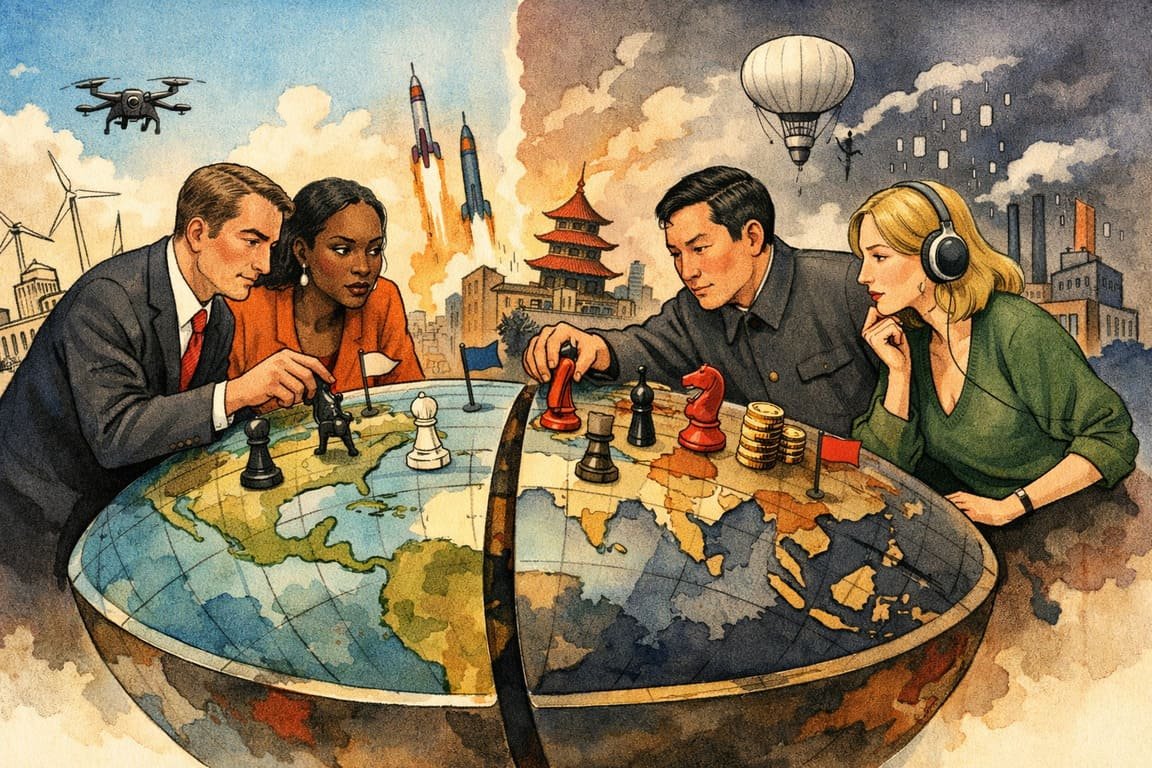
Power did not abandon democracy. It learned to operate around it. The game changed without announcing new rules. Whether democracies endure depends on recognition of that shift and willingness to redesign participation to match modern complexity.
The chamber still fills. Votes still count. Laws still pass. Yet the future of democracy hinges less on preserving rituals than on restoring consequence, because when citizens feel that nothing truly responds to them, power will always find another way to answer instead.
