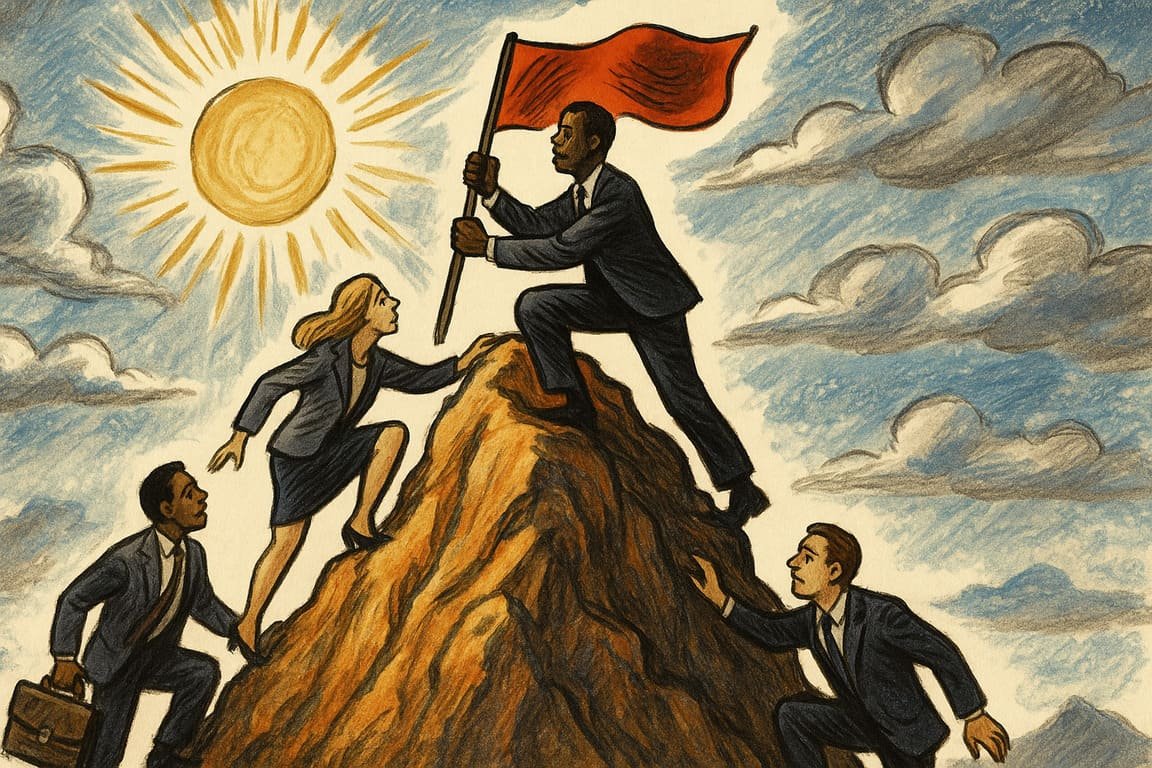
Monsoon clouds crawl across the skyline of a city once carved from hardship. Steam rises from market stalls in the predawn light, mingling with the sharp scent of ambition and frying dough. Within cramped homes, entrepreneurs scan messages by flashlight, their workday fueled by hope, resilience, and a thousand tiny compromises. A world away, analysts in New York, London, and Berlin scratch their heads over growth charts that defy logic. The story unfolding in these overlooked nations isn’t a fairy tale. It’s a storm—messy, breathtaking, and entirely real.
Nobody saw it coming, at least not in the corridors of global power. Economic forecasts rarely accounted for the stamina born in struggle. Yet again and again, countries dismissed as “too poor,” “too unstable,” or “too remote” are rewriting the rules of business success. Against every reasonable prediction, entrepreneurs in Vietnam, Rwanda, and Bangladesh have crafted booming industries from scarcity, often leapfrogging the technological infrastructure that richer nations take for granted. Their stories hold lessons for every leader hungry for new ways to win.
Here’s the secret: constraints are the birthplace of creativity. When credit is scarce, logistics are broken, and the playing field isn’t just uneven but vertical, something magical happens. Companies like M-Pesa in Kenya or Grameen Bank in Bangladesh didn’t just react to broken systems—they invented new ones. M-Pesa’s founders, for example, looked at a country with patchy banking and spotty internet and dared to see opportunity instead of impossibility. They transformed a simple mobile phone into a financial passport, sparking a fintech revolution that even Silicon Valley would envy.
If you run a business, ask yourself: when was the last time you saw an obstacle as a gift? In these countries, success begins not with abundance, but with relentless adaptation. Consider Andela, the Nigerian startup that decided the best way to tackle global talent shortages was to train coders at home and export their brilliance. The world finally noticed when Silicon Valley giants started hiring Andela graduates, shifting the spotlight to Africa’s youth as a new force in the tech world. One Andela graduate, Chidi Nwosu, later told a panel, “When you have to fight for bandwidth, you learn to code lean and think sharp. That’s what makes us different.”
Businesses that win against the odds often combine hustle with deep research. They listen more closely, ask more questions, and make fewer assumptions. In Peru, restaurateur Gastón Acurio didn’t simply borrow international flavors. He built a global culinary movement on the backbone of native ingredients, local farmers, and centuries-old traditions. Acurio’s bet wasn’t on copying Paris or New York. It was on giving the world a taste of Peru’s authentic soul. His relentless curiosity led him to experiment with everything from potato biodiversity to Amazonian superfoods, crafting an empire from flavors no one else was paying attention to.
No company survives adversity alone. In Vietnam, for instance, small manufacturers rose to prominence through community, not isolation. Firms pooled resources, shared expertise, and trusted informal networks to solve problems quickly. The result? Vietnam’s garment and tech sectors now compete with global giants. The research driving these gains didn’t come from glossy reports. It emerged from daily improvisation—trial, error, and collective wisdom forged in the crucible of survival.
Stories of spectacular rise usually come with setbacks. Ethiopia’s garment industry, after attracting global brands, stumbled on labor and political challenges. Yet even these setbacks became fuel for deeper research and better solutions. Executives brought in local experts, launched new worker-training programs, and shifted supply chains to reflect lessons learned. The narrative wasn’t about avoiding mistakes—it was about bouncing back stronger every time.
One of the sharpest advantages underdog nations possess is their willingness to ignore old playbooks. When Estonia bet everything on e-governance, skeptics scoffed. Today, Estonians vote, pay taxes, and access nearly every public service online, giving the country a digital agility that even larger economies envy. Estonia’s tech community, flush with pride and ready to mentor the next wave, often tells the story of a single programmer who, frustrated by bureaucracy, built the backbone of the country’s digital ID system in a basement office. “We had no legacy to protect,” he says. “So we built the future we wanted.”
Look closer and you’ll see these success stories aren’t isolated flukes. In Paraguay, renewable energy startups turned hydropower into a national asset, drawing investment from Europe and Asia. In Jordan, a vibrant gaming industry emerged from youth-led hackathons and a fearless embrace of cross-cultural storytelling. And in Cambodia, artisans reclaimed traditional crafts, weaving them into a global fashion movement that supports rural families. Each example is a reminder that when you’re underestimated, you have less to lose—and more freedom to try something nobody else dares.
Still, every breakthrough brings new risks. Corruption, political upheaval, and the temptation to chase short-term gains threaten these hard-won victories. Wise leaders know research isn’t a one-time fix but an ongoing practice. In South Africa, after a wave of mining successes, companies had to confront water scarcity and environmental damage. Forward-thinking CEOs brought in local communities, scientists, and activists to design solutions that prioritized sustainability over quarterly profits. The result? A new model for business that values long-term impact as much as immediate returns.
This is the core message: the most astonishing business success stories are never just about money. They’re about people, place, and possibility. When nations rise against the odds, they offer a blueprint for resilience, creativity, and ethical leadership. They remind us that the future belongs not to those who have everything, but to those who do everything with what they have.
A construction site glows gold at dusk, the first floors of a new tech hub rising from earth packed hard by years of drought and disappointment. An old woman sells sweet bread to workers, laughing in the shade, while a teenager posts code to a global forum from a cracked phone. A gust of wind rattles banners promising “Tomorrow Starts Here.” In every direction, hope flickers—quiet, stubborn, contagious.
The world’s next success story waits in the places everyone forgets. Will you watch from afar, or step into the storm?
