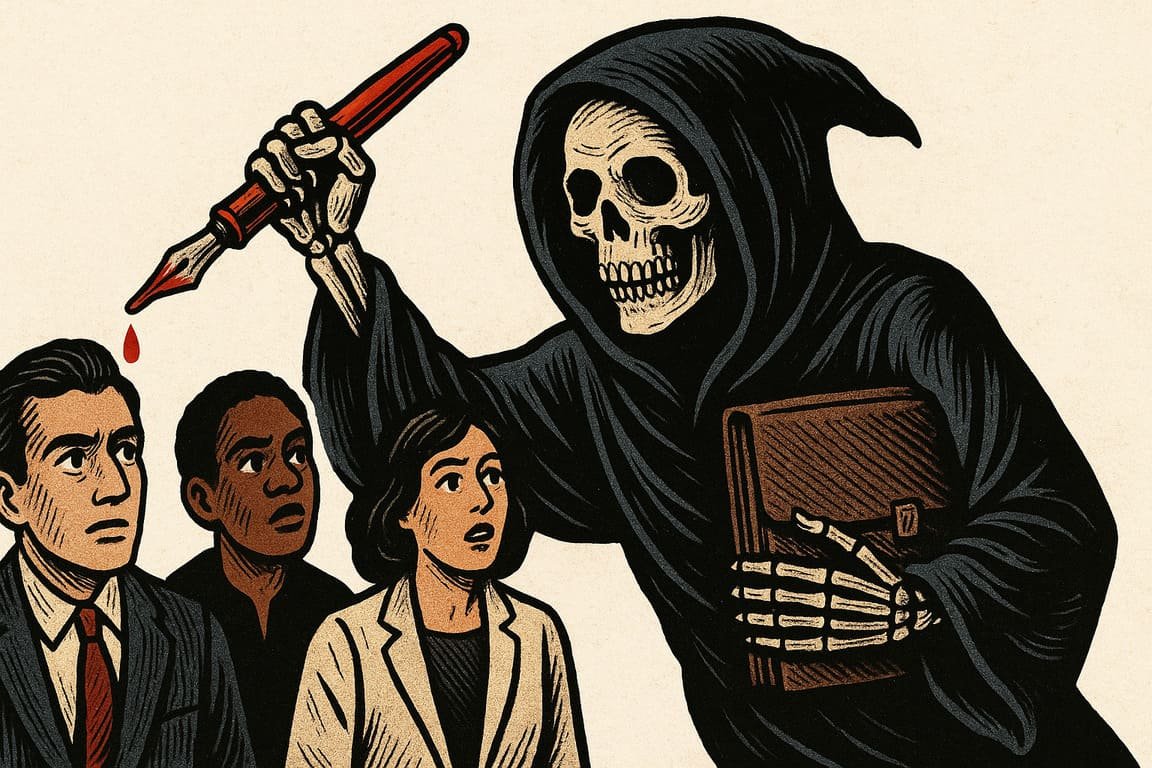
Cracked glass, spotlights, and a row of silent judges: a room that smells of fresh paper and nerves, every wall lined with the artifacts of ambition. In the heart of the city, the gallery has become a modern arena. One side, the seasoned art director, hands steepled in anticipation. Opposite, the trembling designer, portfolio in hand, eyes wide as the weight of creative destiny closes in. Each click of a shoe, each hushed whisper, tells a story of risk and reinvention. The digital screens flicker to life, showing not just work but the secret map of a mind unafraid to go off script. This is not a talent show—it’s a revolution, where the work itself chooses the future and portfolios become living proof that creativity is not a side dish but the main course.
In a world addicted to templates, the killer portfolio is a rebellion. The audience does not want safe—they crave surprise, context, and that electric moment when an idea flips expectation inside out. Take Maya, a young designer from Johannesburg, who once painted her résumé onto a running pair of sneakers. That single move landed her a role with an international brand. The message was clear: today, standing out is the only way in. The portfolio is no longer a folder, but a battleground where only the bravest make history.
You hold the brush now. Every pixel, every sketch, every page is a negotiation with your own fear. When you step up to the digital plate, recruiters do not want a carbon copy. They want to feel the tension of your struggle, the throb of long nights, the laughter of failed prototypes. The story your work tells has to be real enough to leave a mark. Hiring managers still recall Ajay’s bold portfolio: a webcomic about failed interviews, each episode a lesson in humility. His inbox flooded with offers within days. Audacity is magnetic.
You are not just presenting work. You are projecting a future self, unafraid to burn the blueprint and sculpt something fresh. Creative risk is the only real insurance. When you show vulnerability—maybe that broken interface you fixed on a train at midnight, or the campaign that bombed before it soared—people remember. Employers are not seeking perfection. They want conviction and scars. Look at every legendary creator: their first portfolio wasn’t a highlight reel. It was a declaration of war on boredom.
No one ever hired a ghost. They hire for narrative, for a sense of hunger and humor that lingers long after the slides fade. Imagine you are sitting across from the next Virgil Abloh, who stitched together photos of his childhood living room, old school flyers, and early sneaker sketches. His story was messy and alive. That humanity, not technical perfection, won him a spot at the table. Your portfolio should leave a trail—a sense that the story is unfinished and the next chapter could be theirs to write with you.
Think of the industry’s shifting tides: the death of the linear résumé, the birth of the portfolio as living sculpture. Today, recruiters binge portfolios like streaming series, hooked on drama, tension, and payoff. The best portfolios leave them breathless, wanting to see the next season. Remember the legend of Lila Torres, whose mockup of a mental health app was built on her sister’s real-life struggle. She didn’t hide the messy sketches. She displayed them front and center, proof that design can heal and provoke at once.
The great portfolios are not just showcases—they are invitations. Each project should dare the audience to ask, “What happened here?” and, more importantly, “What could happen next?” A killer portfolio creates FOMO. It seeds doubt in anyone passing over your application, whispering that they missed the next big thing. Use every artifact—case studies, mood boards, GIFs, raw audio—to create a journey. Tell stories that matter.
In the age of automation, the killer portfolio cannot be faked. It’s forged in late nights and coffee stains, sculpted by rejection and unlikely triumph. It’s the campaign that went viral after everyone quit, the interface tested in a hospital waiting room, the illustration drawn in the shadow of a blackout. People want evidence of grit. That’s your competitive edge. Real stories cut through noise.
Never underestimate humor and humility. A great portfolio does not brag—it banters. Use captions, self-deprecation, or real-life anecdotes. Steve, a motion designer from Berlin, animated his own job rejection letters as short horror films. Recruiters sent those films around, and his “failures” became a viral badge of honor. Laughter breaks the ice between you and your next employer. It makes them root for you.
Each project is a conversation, not a monologue. Show your process: sketches, post-it notes, voice memos, failed drafts. Let them see the work behind the work. That vulnerability signals strength. It’s what made Eva’s journey through a nonprofit’s rebrand stand out: she included a letter from the founder, thanking her for helping change public perception. It’s proof of impact, not just execution.
A killer portfolio is not a trophy case. It’s a living, breathing animal that evolves. Update it often, swap out work that no longer excites you, and keep pushing boundaries. Remember: destiny is shaped by those who dare to show what others hide. Your audience is hungry for truth, for color, for chaos made beautiful. Feed them, and they will never forget your name.
Beneath the silent glow of midnight monitors, one last piece finds its place on the wall. The gallery is empty now, but the work pulses with life, as if the air itself has become thick with the memory of dreams risked and boundaries shattered. A janitor, passing through, pauses and smiles—he’s seen ambition before, but never like this. The city waits for morning, but a quiet revolution has already begun, stitched into every line, every brushstroke, every digital artifact left in the portfolio’s wake.
Somewhere, a recruiter closes a tab, heart pounding, convinced they’ve glimpsed a new kind of genius in the wild. For the brave, destiny never waits. The real question: what will you dare to show them next?
