A glass office sits high above a sleepless city, humming with unseen energy. The walls look bare but every angle, every reflection, holds secrets. People step in and out, clutching laptops, sliding fingers across glowing screens, never questioning why the handles feel perfect or the light falls just so. Silence dominates, but beneath the calm, design is everywhere; hiding in the wiring, dictating every gesture, controlling the mood with shadows and space. The world moves fast, dazzled by the next big thing, but true power lives where nobody is looking.
Coffee shops fill with digital nomads, each lost in their curated bubbles. Headphones seal off the world, yet their comfort and clarity whisper a story of thoughtful engineering. Nobody brags about the shape of a chair or the weight of a mug, but these invisible choices guide moods, shape meetings, and tip the scales in negotiations. The magic is not in the logo, but in the feeling: ease, flow, relief. Simplicity is not the absence of effort but a calculated outcome—hard-won, fiercely protected.
On a rainy Thursday, a fashion brand launches a viral sneaker, and influencers swarm to show it off. What they don’t mention: the tongue doesn’t rub, the laces never slip, and the color resists stains for years. A young designer named Amira knows her handiwork will never be featured in interviews, yet she smiles, remembering the nights spent obsessing over tiny changes that nobody but the wearer will notice. The shoe wins not because it shouts, but because it listens.
Power in design has always been about what vanishes. Decades ago, a product manager at Apple insisted the iPhone’s home button “should feel like breathing.” A single detail, invisible to most, set a new bar for the entire industry. Today, the world chases spectacle, but the invisible wins quietly, leaving other trends to crash and burn. The ultimate flex is simplicity that dissolves into daily life, steering hearts and minds while pretending not to care.
A legend circles the design world about a luxury hotel in Kyoto. Guests rave about the peace and elegance, yet struggle to explain what makes it magical. The answer hides in negative space, whisper-soft light, a doorknob that sits just right in the palm. Invisibility is not emptiness—it is precision so sharp it disappears. The world’s greatest designers are like master pickpockets: you never notice the trick until you’re changed forever.
Quick Notes
- Power Hides in Plain Sight: Design rules the world when you forget it’s even there. That’s how the masters win—by making every move feel effortless, like gravity.
- Simplicity Costs More Than You Think: The cleanest, easiest products often require the deepest thought, sleepless nights, and brutal self-editing. Amira’s shoes or Apple’s home button seem obvious, but they are the result of thousands of invisible decisions.
- Everyday Genius Is Never Loud: From your favorite coffee mug to the hotel room you never wanted to leave, real design serves you by vanishing. The best solutions never brag.
- Invisible Choices Shape Big Outcomes: What looks simple at first—like a webpage or a logo—often decides whether you stay, buy, return, or tell your friends. Subtlety manipulates behavior more powerfully than any flashy trick.
- Winning Is for the Patient: Trends come and go, but invisible design outlasts them all. If you want to build something that matters, invest in the details nobody applauds.
The Silent Revolution—Why Simple Design Wins Big
Invisible design is the ultimate magic trick. You never see it, yet you feel it every time you use your phone, step into a Tesla, or sip from a cup that just feels “right.” This isn’t about being basic or plain. Instead, it’s about ruthless clarity: stripping away clutter until only the best remains. People may chase headlines or viral aesthetics, but what truly sticks is what you never notice.
You know the feeling when a website “just works”—no pop-ups, no confusion, just you and your goal. This happens because someone fought endless battles behind the scenes. Netflix’s engineer, Maya, once rewrote a single search line thirty times to make sure you found what you loved in two taps. Her name isn’t public, but her fingerprints are everywhere.
Simplicity is a weapon, not a weakness. When Google launched its search page, the lack of buttons and banners felt bold, almost arrogant. Competitors loaded up on options, hoping to impress with complexity. Google became the default because speed and clarity win every time. What’s missing can matter far more than what’s present.
Real stories prove it: A young architect named Kamal designed a children’s hospital with hidden doorways and color cues instead of endless signage. Parents felt less lost. Kids laughed more. Recovery sped up. The secret? Invisible guidance, not overt direction. The “wow” happened in quiet moments, not grand entrances.
Invisible design flips the script on power. It quietly shapes what people trust, love, and share. The world’s best products and spaces feel inevitable—like they could not be any other way. But the true genius is that someone fought for that feeling, removing everything that didn’t serve the user. That’s how simplicity takes the throne.
The Psychology of Effortless—Why People Crave What They Can’t See
Human brains crave order but get overwhelmed by noise. Every time you scroll through an app or walk through a building, your senses are hunting for clarity. The biggest breakthroughs in design come when the clutter vanishes and your brain can finally breathe. Simplicity, in this way, is like oxygen for attention.
Designers know most people can’t explain why something feels “better.” You might rave about an app that just makes sense, but you’ll never thank the silent choices that got you there. A UX designer at Spotify once told friends, “Our users never write love letters to the green button, but they’d riot if it moved.” The invisible decisions control satisfaction and loyalty.
Behavioral science backs this up. People judge quality with their guts long before their minds catch up. The less friction you encounter, the more confident and loyal you become. That’s why minimalist brands like Muji or Uniqlo inspire cult followings—not by what they add, but by what they refuse. Their genius is restraint.
A real-world story: A restaurant in Barcelona had a menu so clean that diners never needed to ask questions. The chef, Lucia, spent years perfecting every detail: font size, dish order, spacing. Guests lingered, relaxed, and spent more. The secret sauce was invisible, but the emotional payoff was massive.
You may not remember what you saw, but you will remember how it made you feel. Invisible design operates at this subconscious level. It soothes, guides, and protects without demanding applause. In a noisy world, the real luxury is not having to think. The designers who grasp this become legends, not for their names, but for the experiences they gift to others.
Failures That Teach—When Simplicity Isn’t Simple
Invisible design sounds elegant, but the road to effortless is paved with spectacular flops. The world is littered with products that tried to hide complexity and instead created chaos. When simplicity is faked, users rebel. That’s why the stakes are high: only authentic, deep simplicity wins.
Remember when a famous phone maker removed the headphone jack “for simplicity?” Outrage exploded. People struggled with adapters, lost connections, and felt betrayed. Behind every streamlined experience, there must be substance—otherwise, the invisible becomes infuriating. The lesson: simplicity cannot come at the cost of function.
In the software world, a startup called CleanLine nearly died because its “minimalist” app ditched all hints and tips. Users, confused, abandoned it. Only when the founder, Raj, added back just enough guidance did people come back. His story became a cautionary tale at tech conferences: true simplicity is never the same as absence.
Designers often obsess over the beauty of an empty space, but sometimes emptiness means loneliness, not clarity. The world’s most elegant hotels add warmth with texture, scent, and sound. An empty lobby may look chic on Instagram but feels sterile in person. The invisible must always serve the human.
True simplicity takes humility. When designers get it wrong, users don’t care about intentions. They care about their time, their feelings, and their trust. The failures become the folklore that drives progress. Each blunder is a reminder: invisible design only works when the invisible is real, earned, and felt.
The Business Case—How Simplicity Crushes the Competition
In a crowded market, simplicity becomes a ruthless advantage. Most companies keep adding features, believing more is better. Yet the brands that win trust—and money—are the ones that dare to do less, better. Simplicity is not just design philosophy; it is a bottom-line strategy.
Take the case of the banking app, Flow. For years, it added tabs and charts, hoping to stand out. When a new CEO, Sarah, arrived, she cut half the options and focused on a single screen: “What’s my balance?” Customer happiness soared. Reviews doubled. Flow quietly passed bigger rivals, not by shouting, but by whispering the right answer.
Simplicity scales. IKEA built an empire on self-assembly and flat packs, not fancy showrooms. Customers embraced the freedom to shape their own spaces, not because it was trendy, but because it was easy. When design gets out of the way, the customer becomes the star.
There’s science in the madness. Studies show that too many choices lead to paralysis, regret, and lost sales. The smart businesses focus on flow. When Amazon Prime made one-click checkout a reality, it seemed trivial. Now, frictionless purchasing rules e-commerce. Every extra step is a lost sale.
Simplicity also inspires loyalty. People return to products that make them feel smart and relaxed, not confused or pressured. The brands that win are those that disappear into your life, letting you shine. In the end, invisible design is not just about elegance; it’s about building something that lasts longer than hype.
The Philosophy—Why Simplicity Feels Like Truth
Invisible design taps into a universal truth: the best things in life don’t need to announce themselves. The philosopher Lao Tzu said, “To attain knowledge, add things every day. To attain wisdom, remove things every day.” In design, wisdom is what remains when all noise falls away.
There’s a spiritual power in subtraction. When a product or place lets you breathe, think, or laugh without effort, you feel respected. It’s not about emptiness, but about meaning. Every choice is a statement: we trust you to find your own way.
Cultural icons have always understood this. Steve Jobs wore the same black turtleneck not because he lacked imagination, but because he valued clarity. The greatest architects, like Tadao Ando, build temples out of light and shadow, not marble and gold. Their power comes from what is left unsaid.
Micro-stories abound. A teacher named Elena redesigned her classroom so that every object had a purpose. Kids stopped asking where things were. Discipline problems faded. Learning became a kind of play. Elena’s wisdom wasn’t flashy, but her legacy was a generation of calmer, happier students.
Simplicity is an act of generosity. It says, “I value your time. I honor your mind.” In a world screaming for attention, invisible design is an act of grace. It leaves space for you to feel, to grow, and to remember what matters.
The Secret Room Where Power Hides
Some say the most beautiful rooms are those you never notice. On a quiet evening, an architect walks through her latest project—a public library transformed by invisible hands. Walls catch the last light, staircases hover like thoughts, silence holds stories between the lines. People move in peace, unaware of the thousand choices that brought them here. No logos, no noise, just a sense that everything belongs, as if the building itself is breathing.
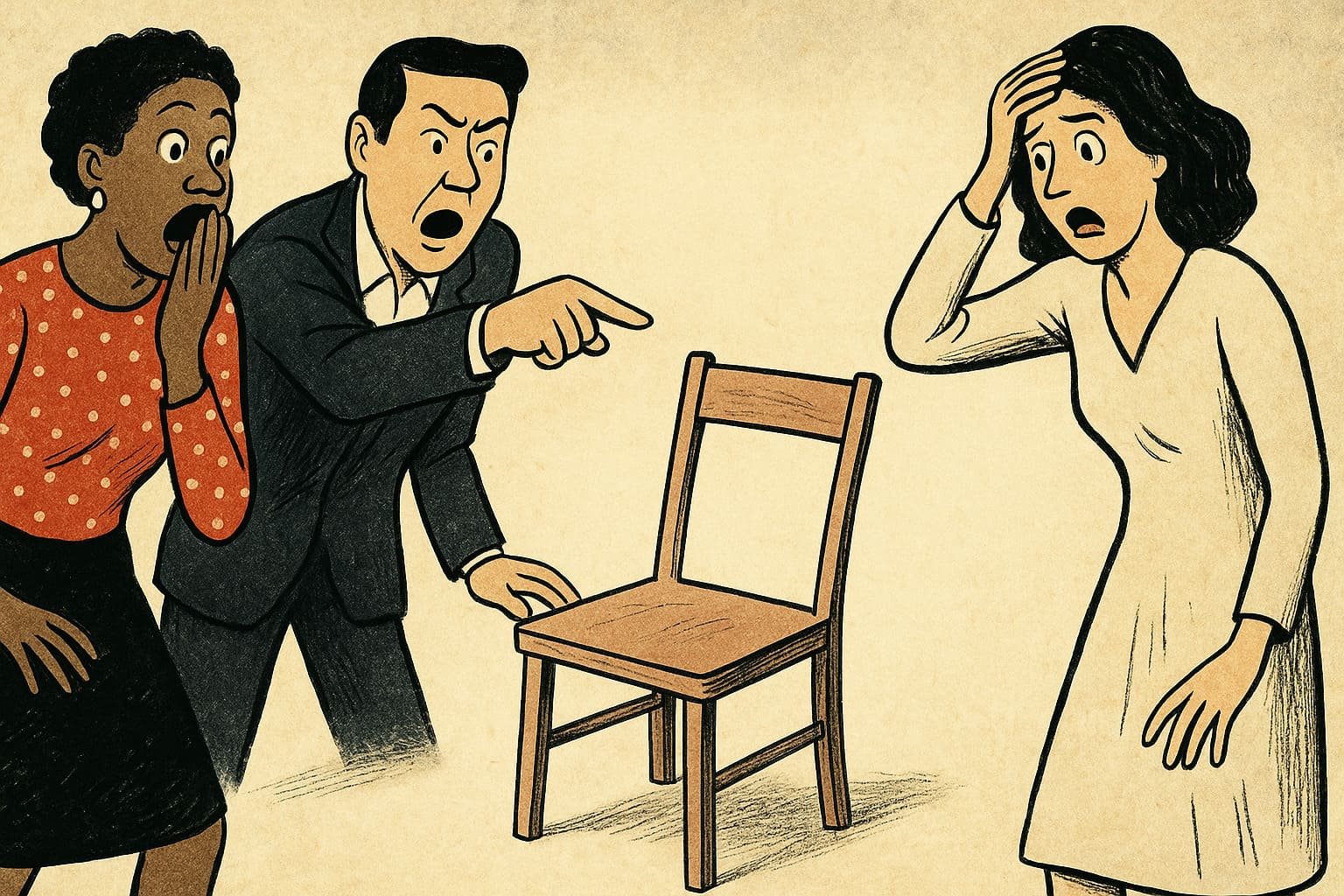
In another city, a tired founder leans back in a chair nobody else remembers choosing. The chair holds her weight just right. She wonders if anyone will ever notice the hours spent picking fabric, the way the legs settle on the floor, the sound they make on tile. She smiles, content in knowing the real wins are silent.
A poet might say true power moves like water, shaping the world without force. The library stands as proof, welcoming wanderers without words. Invisible design leaves no fingerprints, only memories of ease and calm. The secret room in every masterpiece is the one that feels like home, not because it dazzles, but because it cares.
One evening, a janitor named Luis props open a window that always lets in the perfect breeze. He tells a friend, “This place just feels good.” The friend nods, never knowing that’s where the real story lives. The invisible makes the ordinary unforgettable.
You are the hero of this story. When you seek the invisible, you’ll finally see what matters most.
