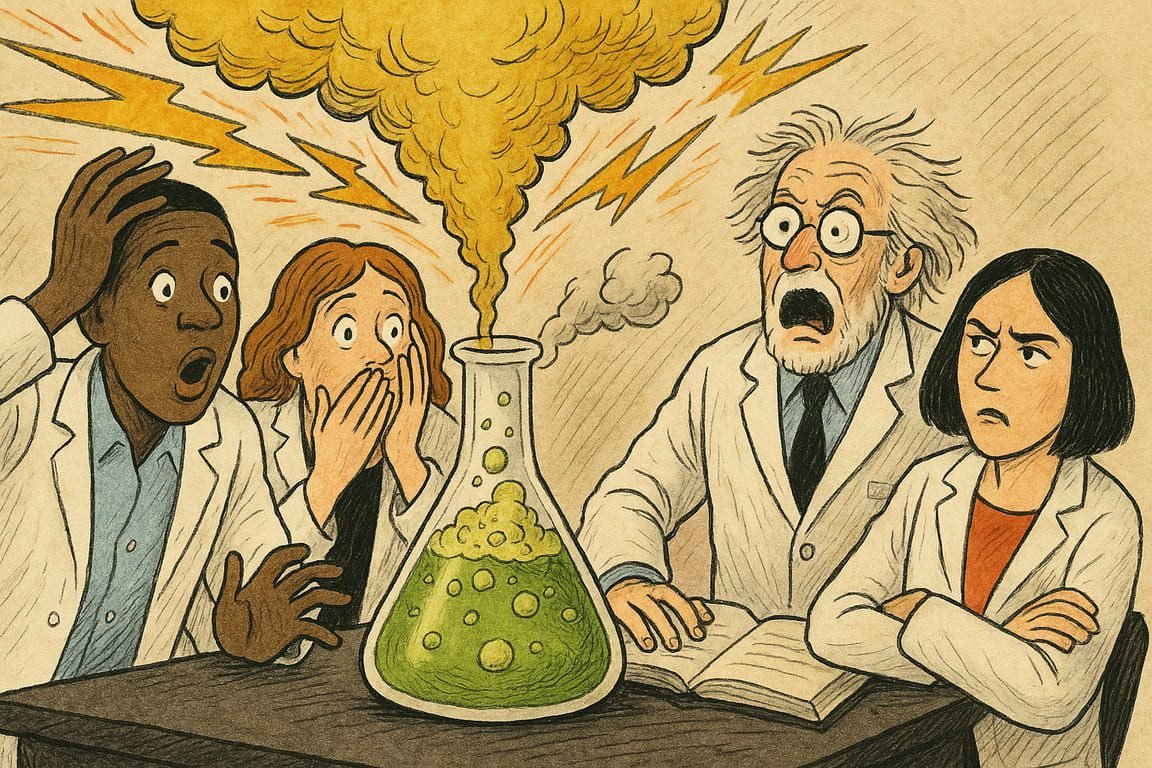
Spotlights sliced through the gloom of a crowded auditorium as an eager audience watched the unveiling of a product destined for disaster. The presenter’s hands trembled, betraying nerves beneath a rehearsed smile. An awkward silence filled the air after the big reveal—every face flickered with confusion. This was no ordinary stumble; it was the kind of flop that history remembers, a lesson sealed in red ink and whispered in university corridors as a warning. Here, in this space between ambition and humiliation, business legends are born not for their victories, but for how spectacularly their research fell apart.
The tales of epic research fails aren’t just dusty footnotes; they live on in every project kickoff, echoing warnings to those too confident in their cleverness. Consider the infamous launch of “New Coke.” Market research promised a revolution. Taste tests declared victory before the battle had even begun. Yet, once shelves filled with the new formula, a tidal wave of public outrage crashed down. Coca-Cola had misread the heart of its own brand. Months of surveys and focus groups couldn’t capture the power of nostalgia, loyalty, and ritual. The original formula returned in a blaze of humility, forever changing how companies interpret consumer data.
When a fast-food giant tried to introduce a “healthy” burger, their confidence bordered on arrogance. Nutritionists applauded, but customers recoiled from taste and texture that missed the mark. Sales tanked. The McLean Deluxe faded into obscurity, proving that research without emotional connection rarely drives real loyalty. What looks promising on a data sheet can still land in the waste bin of history.
You probably know the sting of investing months into a big idea only to watch it unravel spectacularly. Every leader has felt that quiet dread as first feedback trickles in, colder than expected. Research fails don’t just cost money—they bruise egos and threaten careers. The Polaroid instant film camera was a global sensation, but when its creators ignored the threat of digital photography, they clung to obsolete assumptions. The result? Bankruptcy, and a masterclass in the peril of ignoring uncomfortable trends.
Even the brightest minds can trip over hubris. Google Glass was a marvel on paper. Futurists dreamed of seamless augmented reality, but the public recoiled from the privacy invasion and social awkwardness. Despite years of development and millions in research, Glass was pulled from shelves. This misstep didn’t end Google, but it left a scar that shapes their every innovation since.
If you’ve ever dismissed a warning sign, you’re in good company. The Segway was heralded as the next revolution in urban transportation. Research suggested city streets would swarm with these high-tech scooters. Instead, the world shrugged. Too expensive, too weird, too impractical. The Segway now stands as a monument to misplaced confidence and the gap between engineering brilliance and actual demand.
In every disaster, a lesson hides. Research fails often stem from tunnel vision—teams fall in love with their own ideas and forget to challenge their assumptions. The “Crystal Pepsi” debacle wasn’t just about flavor; it was a symptom of executives who assumed novelty would always win. Clear soda, it turned out, tasted like regret and missed opportunity.
It’s tempting to blame “bad luck,” but more often, the root is poor listening. Microsoft’s Zune was supposed to slay the iPod, armed with focus group insights and corporate firepower. Yet, it failed to understand what made Apple’s product a cultural phenomenon. Zune became a punchline, and Microsoft retreated to rethink its approach to innovation.
Stories of research fails reach beyond business. In medicine, the infamous “thalidomide tragedy” reminds us that research shortcuts can have catastrophic consequences. What was once hailed as a miracle cure became a global scandal, rewriting regulations and forcing the world to respect the limits of unchecked optimism.
The sting of public embarrassment is unforgettable. Tropicana once unveiled a new orange juice carton—modern, clean, focus-group approved. Shoppers revolted. Sales plunged. Within weeks, the old design returned, and every CMO in America whispered a quiet thank you for the warning.
People crave innovation, but resist when it arrives in the wrong costume. Harley-Davidson once flirted with a perfume line, believing research suggested brand expansion could work. Instead, riders and fans recoiled, and the company quietly killed the scent. That one flop echoed louder than any successful ride.
Fictional research teams, like the “Blue Moon” tech startup, offer fresh caution. This group of brilliant minds built a wearable device that would monitor stress. Research suggested huge demand, but they failed to realize users didn’t want their anxiety quantified, let alone advertised. The product bombed. Investors pulled out. In a year, “Blue Moon” became a legend—at every conference, founders cited its failure as a badge of hard-won wisdom.
Through every spectacular research fail runs the same thread: the gap between what people want and what companies think they want. Businesses stumble when they ignore context, culture, and emotion, trusting numbers over narratives. The greatest disasters in business rarely begin with bad intentions; they begin with a refusal to see past one’s own excitement.
A rain-soaked city street glistens beneath neon lights, silent but for the hum of passing cars and the distant echo of an abandoned product launch. The ghosts of research fails drift here, reminders that risk and humility are twin engines of progress. Every innovation rides on the edge of disaster. Sometimes, the only way forward is to crash, burn, and build again from the ashes.
You’re one bad assumption from a disaster—or one honest conversation away from your next breakthrough. Which will you choose?
