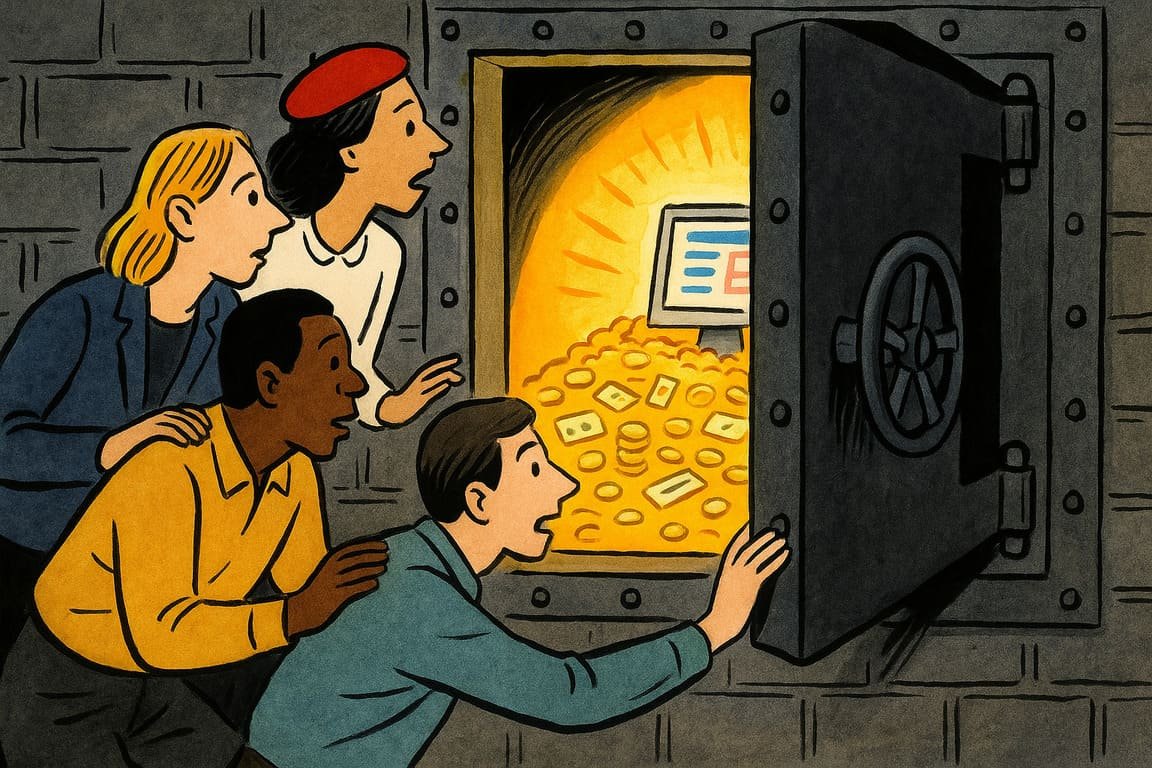
The city glows at midnight, high-rise windows flickering with the quiet industry of creators. Somewhere in the labyrinth of side streets, an underdog designer scans their battered phone for inspiration. The world’s most ambitious ideas often begin in cramped studios, on sticky coffee tables, or hunched over screens in cramped bedrooms. Yet, hidden within this digital sprawl, there’s an unspoken secret: the most potent design tools do not cost a thing. Across the internet, vaults of free resources unlock creativity for anyone savvy enough to find them, quietly shaping the projects that will soon set trends. This is the untold story of design’s underground market—the sites quietly making amateurs look like legends.
These resource sites wear a cloak of invisibility. You will not see them plastered on billboards or trending on social feeds, but every working designer knows at least three. They are whispered at coworking spaces, dropped in late-night group chats, and scribbled on whiteboards during hackathons. For the student learning Figma by moonlight, or the startup scrambling to impress investors on a shoestring, these websites are lifelines.
You, too, have likely stumbled onto one late at night, hungry for just the right icon or high-res texture. Open Peecho, Unsplash, or Iconmonstr, and suddenly the possibilities multiply. You get more than files—you gain confidence, speed, and that subtle competitive edge. Entire brands have launched on the back of a free font or a royalty-free illustration. What most users never realize: behind every viral campaign or slick landing page, a piece of the design puzzle likely came from a free vault.
Teams in the know move faster, borrowing assets with confidence. When Blitzen, a creative studio in Amsterdam, needed a mockup to pitch a major travel app, they built their prototype with free UI kits from Humaaans and Storyset. The client marveled at the polish, never guessing the toolkit’s source. These resource sites become silent partners in every breakthrough, never demanding credit, always delivering.
Some resources do more than supply assets—they teach. Canva’s template galleries, for example, double as design schools, guiding beginners through layout, hierarchy, and color theory. Watching a team of nonprofit volunteers craft an annual report with nothing but a free platform is to witness the democratization of design. Quality no longer belongs to those with deep pockets.
Many underestimate the reach of these resource vaults. They are not just for logos and icons, but also sound effects, vector art, animated backgrounds, and even full-fledged website templates. Pexels has fueled countless ad campaigns. The Noun Project has standardized the visual language of infographics everywhere. Each new resource lowers a barrier for creators who once felt excluded by price tags.
Do not mistake free for basic. The best resource vaults operate with the precision of high-end agencies. Designers like Amira Said, known for her minimalist mobile app layouts, credits her distinctive edge to scouring free 3D icon sites before every project. The trick, she says, is knowing how to remix and layer assets so no two projects feel the same.
There’s an entire underground economy thriving on these sites. Student designers swap secret links. Indie developers sponsor resource creators. In Slack channels across the world, teams celebrate finding the perfect stock video or interface mockup at two in the morning. The collective ingenuity is contagious, and it erases the false line between “pro” and “amateur.”
Free resources encourage experimentation. When no money is on the line, teams feel emboldened to try bolder colors, new layouts, and surprising combinations. The result: work that feels playful, fresh, and memorable. This is the story behind brands like NoonType, which broke into the SaaS scene by remixing open-source icons into an iconic visual language that’s now being copied everywhere.
If you want to see the future of design, watch the resource vaults. They react faster than paid software, updating their libraries to reflect cultural moments, meme trends, and even social movements. A sudden wave of pandemic-inspired graphics, for instance, swept through free libraries long before the big agencies responded. Those who paid attention were ready before anyone else.
For those just starting out, these websites are more than tools—they are a rite of passage. The act of searching, downloading, and adapting a resource teaches problem-solving and creative resilience. A designer’s eye sharpens, learning what to use, what to skip, and how to bend a stock asset until it feels original.
Behind the surface, these free design vaults are quietly rewriting the rules of who gets to participate in digital creation. The myth of the lone genius falls apart when thousands of hands build the foundation for a viral app or a beloved campaign. Talent still matters, but access is now the greater force.
Far from the spotlights, a designer pauses at the glow of a midnight screen, a free brush pack open in one window and a half-finished vision in another. In the quiet, these overlooked tools hum with potential, waiting to unlock something extraordinary for anyone daring enough to use them well. As morning breaks, the secret passes from hand to hand, silently promising that every locked door in the world of design now has a hidden key.
Will you keep hunting for those secret resources, or will you wait for permission as others quietly run ahead with tools you never knew existed?
