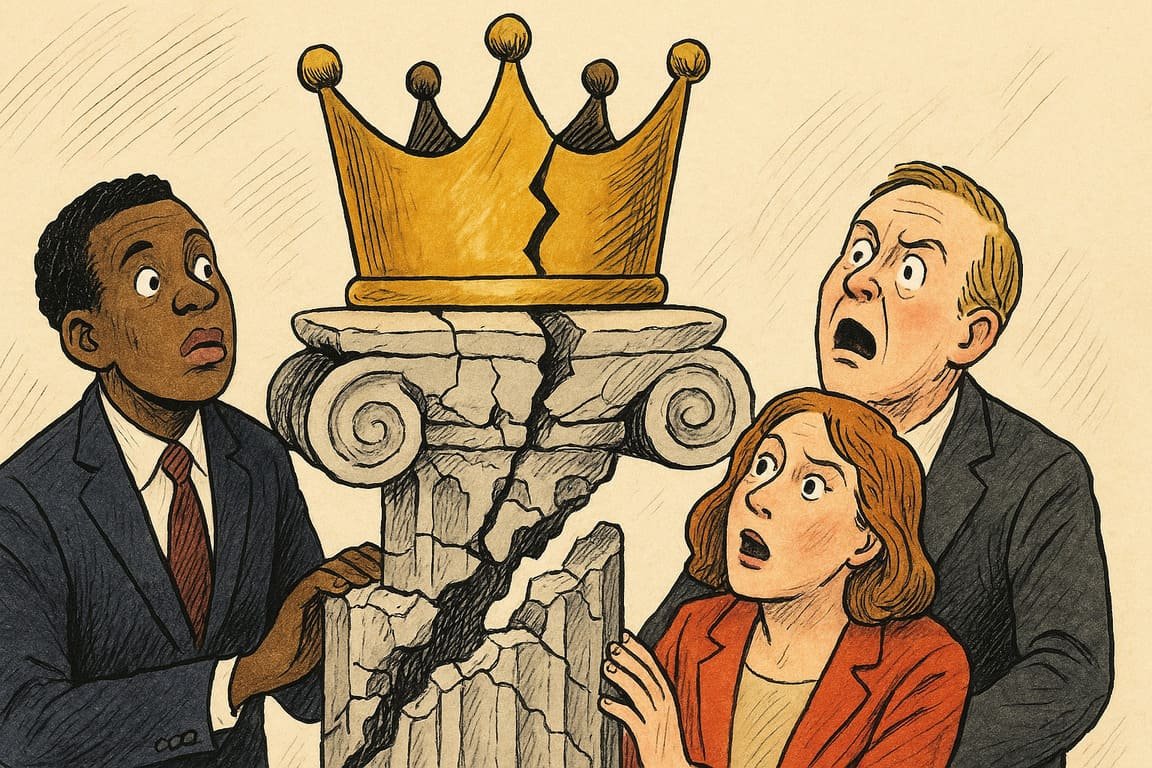
The loudest applause in business rarely follows a flawless debut. It usually arrives after a collapse that everyone believed was permanent. Somewhere, inside a silent boardroom where confidence once echoed like a victory anthem, executives stared at shrinking sales and fading relevance, wondering whether history had already written their final chapter. Markets can be ruthless. Customers can be unforgiving. Yet failure has a curious habit of becoming the birthplace of remarkable reinvention, proving that the strongest brands often emerge from their darkest moments rather than their brightest triumphs.
Failure terrifies organizations because it feels public, expensive, and deeply personal. Investors grow impatient, employees question leadership, and competitors circle like predators sensing weakness. Many companies respond by cutting costs without changing their thinking. That rarely works. Lasting recovery begins when leaders admit uncomfortable truths and replace pride with curiosity. Management expert Peter Drucker often emphasized that the greatest danger during turbulent times is acting with yesterday’s logic. Businesses that survive learn faster than circumstances change, and that difference separates temporary setbacks from permanent decline.
Few stories illustrate this better than Apple. Before becoming one of the world’s most admired companies, Apple struggled with declining relevance, internal confusion, and uncertain leadership. The return of Steve Jobs did not produce an overnight miracle. Difficult decisions followed. Product lines were simplified, design became a strategic weapon rather than decoration, and relentless focus replaced endless experimentation. Customers did not merely buy computers anymore. They bought an experience, an identity, and eventually an ecosystem that competitors still struggle to replicate.
Another remarkable turnaround belongs to LEGO. The iconic toy company once drifted away from its greatest strength by chasing too many ideas at once. New ventures multiplied while profits disappeared. Leadership eventually returned to a simple question: what made families fall in love with the brand in the first place? The answer was not endless expansion but imaginative play built around a timeless system. By listening carefully to loyal customers while embracing thoughtful innovation, LEGO transformed near collapse into renewed global admiration without abandoning its original purpose.
Smaller businesses face similar crossroads every day. Consider Maya, who owned a neighborhood bakery that watched regular customers disappear after several chain stores opened nearby. Panic tempted her to slash prices until profits vanished. Instead, she spent mornings talking with customers over fresh coffee, learning what they truly valued. Families wanted warm conversation, personalized cakes, and familiar faces rather than the cheapest loaf on the shelf. The bakery stopped competing on price and started competing on belonging. Within months, loyal customers became enthusiastic ambassadors, proving that meaningful relationships often outperform aggressive discounting.
Business history repeatedly shows that successful recoveries share common patterns. Leaders confront reality without pretending problems are temporary. They protect the core strengths that made the organization valuable while abandoning habits that no longer serve the market. They also create cultures where learning matters more than avoiding blame. That mindset transforms failure from a verdict into feedback. Even famous brands that dominate headlines today remain vulnerable if they stop questioning their assumptions or confuse past victories with future guarantees.
There is another lesson that rarely receives enough attention. Turnarounds are not driven solely by brilliant strategies or charismatic founders. They depend on ordinary employees choosing resilience over resignation every single day. Engineers improve forgotten products. Customer service teams rebuild damaged trust one conversation at a time. Designers notice details that executives overlook. Recovery is rarely glamorous. It smells like late-night coffee, difficult conversations, and countless small decisions made when nobody is watching. Those invisible moments quietly become tomorrow’s celebrated success stories.
Somewhere beyond every spectacular comeback stands a leader who finally accepted that failure was not the enemy. Stagnation was. The market rewards organizations willing to evolve before circumstances force them to change. Every setback carries an uncomfortable invitation to rethink assumptions, sharpen purpose, and rediscover what customers truly value. Brands that conquer failure do not erase their scars. They transform those scars into credibility, reminding every ambitious entrepreneur that the greatest competitive advantage is not perfection but the courage to begin again when everyone else believes the story has already ended.
