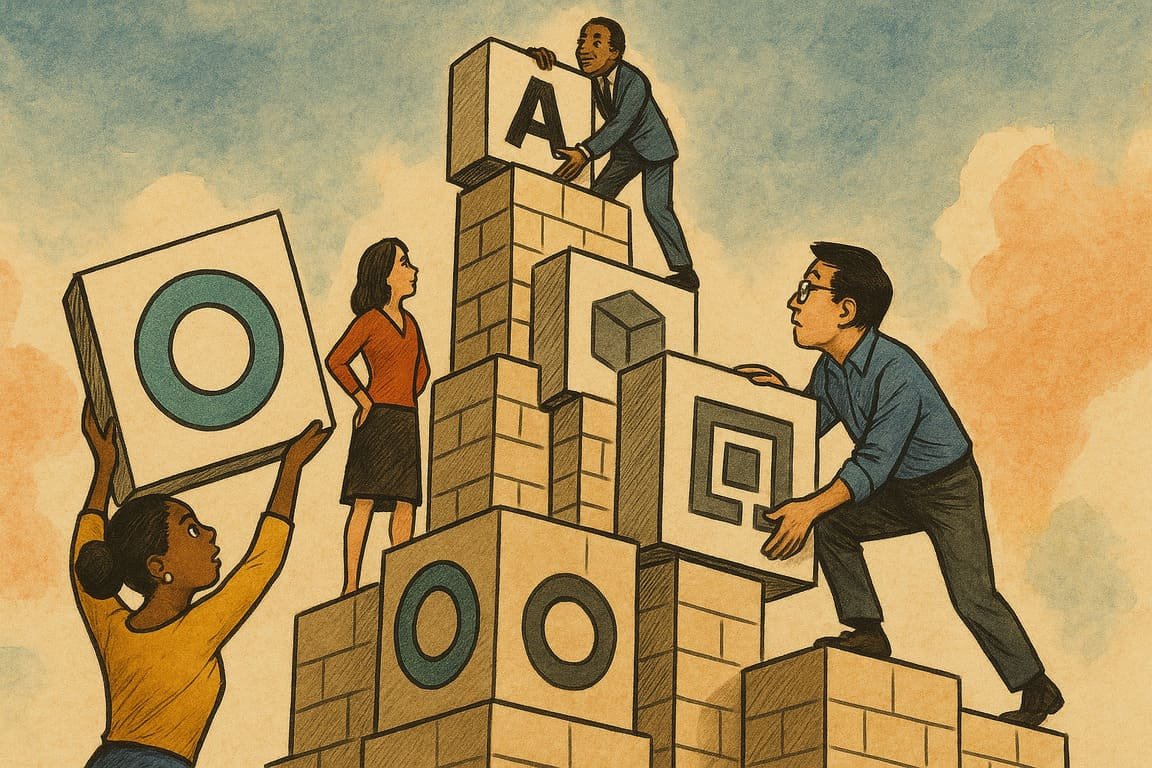
Early morning sunlight streams through the floor-to-ceiling windows of a once-abandoned warehouse now buzzing with creative energy. The air vibrates with the quiet force of hundreds of minds, all sketching, coding, painting, and imagining. At the heart of this electric space sits a glass table where a small team finalizes the visual identity for a soon-to-be viral brand. It feels like a scene out of a heist movie: tense, focused, everyone betting on a single, breathtaking design. The world outside barely knows it, but empires are rising—one color, pixel, and daring idea at a time.
A city’s culture is quietly rewritten by these creative powerhouses. From minimalist packaging in corner stores to mural-wrapped skyscrapers and hyper-curated Instagram grids, design firms are the new architects of attention. One Nairobi studio, once a scrappy collective, now shapes the look of Africa’s biggest fintech brands. Their founder, Wanjiku Maina, describes the transformation: “We went from freelance chaos to creative authority. Now, companies come to us not for pretty pictures, but for strategy that sticks.” Her empire was built not on slogans, but on the relentless pursuit of work that makes people feel something real.
You watch as a young designer presents her team’s latest campaign—a sneaker drop that riffs on Afro-futurist motifs and urban street style. The team’s critique is sharp but supportive, each voice pushing for greatness over safety. In this world, mediocrity is the enemy and originality is the only currency. The stakes are high. A single campaign can catapult a brand to legend status or send it crashing into obscurity. Empires are never static. They rise and fall on taste, vision, and the courage to break the rules.
What separates a design powerhouse from a one-hit wonder is not just talent but culture. The best studios foster creative rebellion, encouraging designers to challenge, mock, and remix the status quo. Case in point: a Cape Town agency famous for turning rejections into viral sensations. When a client trashed their concept, the team launched it as street art. Within weeks, the design was everywhere, and the agency’s phone rang off the hook. That’s the muscle of an empire—knowing how to flip setbacks into spotlight moments.
This empire-building is fiercely global. Powerhouse firms in Lagos, Nairobi, London, and São Paulo now trade ideas, trends, and even designers like superstar athletes. International collaborations spark visual revolutions, giving brands universal relevance while preserving local flavor. The rise of remote work accelerates this cross-pollination, so a logo drawn in Mumbai might define a festival in Johannesburg.
You see the results in real time. An indie beauty brand explodes after partnering with a boutique design firm known for lush, layered visuals. The packaging becomes a must-have, and suddenly, every influencer wants a piece. Meanwhile, an aging bank reinvents itself with bold rebranding, attracting young customers who would never have noticed its old logo. These empires are built not in boardrooms, but in late-night brainstorms, art-filled kitchens, and WhatsApp groups alive with wild ideas.
Inside these powerhouses, creative directors play the role of philosopher-generals. They balance commerce with conscience, pushing their teams to find meaning in every stroke. When a Nairobi studio landed a government contract to reimagine public health campaigns, the team embedded local slang, pop culture, and even football references. The result? Messages that stuck, and a rare moment when design changed lives, not just shopping lists.
Powerful studios also know how to nurture stars. The world’s next iconic illustrators, photographers, and digital sculptors often emerge from these buzzing hubs. A Lagos agency famously mentored a junior designer whose side project—an abstract poster series—landed on the cover of a global design journal. The firm celebrated, plastered her work across their studio, and inspired dozens of imitators. True empires multiply their magic, making each new hire feel like the start of a legend.
The ultimate secret? These empires never stop learning. They host workshops, hackathons, and even “failure festivals” where teams showcase their biggest flops and the lessons they learned. One Johannesburg firm encourages every designer to teach a monthly masterclass, ensuring skills and perspective stay fresh. Powerhouses grow when they share, not just win.
For brands and entrepreneurs, the lesson is clear. Working with a design powerhouse is not about buying a logo—it’s joining a movement. The right team can help a brand punch above its weight, turn competitors into followers, and create work that becomes part of culture. These empires thrive by making their partners look brave, bold, and unforgettable.
As the day fades, city lights flicker on, illuminating the glass fortress where new icons are born. Ideas ripple outward—on billboards, screens, and street corners—shaping what people buy, love, and believe. Every creative powerhouse leaves a signature on the world, sometimes seen, often felt, always lasting.
You step into the night, the echo of that glass table’s brainstorm still buzzing in your mind, and wonder: whose design empire will define the next era, and what masterpiece might have your name on it?
Partnered. Provocative. Worth Your Scroll.
This is a Promoted Post by ESYRITE—yes, it’s paid, but never filtered. Our voice stays raw, real, and razor-sharp. We team up with bold ideas, game-changers, and stories that spark something real. If it’s here, it earned its place—no fluff, just impact. We don’t just promote—we provoke. Stay sharp. Dive deeper.
