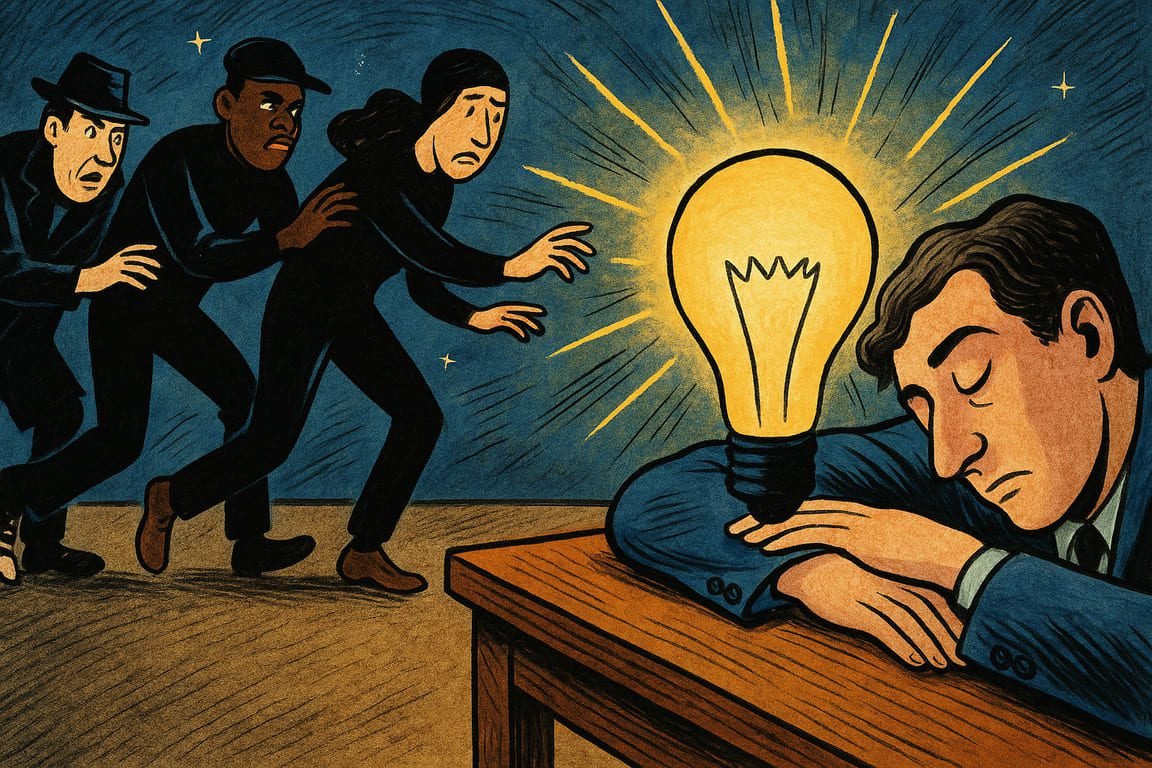
Before sunrise, a narrow back alley hums with stolen conversations and the soft glow of sketchpads balanced on knees. The city’s dreamers gather, hungry for the secrets hidden in graffiti and passing silhouettes. Here, innovation isn’t sparked in solitude but thrives on borrowed sparks—a swirl of music, code, and snippets from a thousand unfinished ideas. The boldest lean in, listening for patterns others miss, and in the gaps between inspiration and imitation, the next wave of genius quietly takes shape.
Innovation has always been a relay race. Every breakthrough leans on patterns borrowed, reshaped, and made new. The greatest inventors, from Da Vinci to Jobs, knew how to steal with intention: observe what works, distill the essence, and remix it with a twist. In the modern design world, the line between homage and plagiarism is clear: real innovation is theft with gratitude, not greed.
You are not alone in chasing the next big idea. The web is packed with mood boards and open-source libraries, code snippets shared by strangers, and creative challenges that spread like wildfire. Your best ideas might begin as echoes—a grid system glimpsed in a rival’s portfolio, a color story found in a street mural, or a navigation trick stolen from a viral shopping app. Genius is rarely a solitary act. It’s a dance of influence.
Learning to steal well means developing a sharp eye. Not every trend deserves a second life, and not every borrowed pattern fits your mission. The real innovators filter relentlessly, keeping what resonates and letting go of the rest. When Sophie, a young UI designer, noticed how gamers mapped controls for speed, she reimagined a finance app’s onboarding. Her users signed up faster, and her “theft” became a legend in the office.
Collaboration fuels innovation. The creative world is a crowded kitchen, where everyone borrows spices and swaps recipes. Teams that share patterns openly—design systems, wireframes, even failed concepts—grow faster and punch above their weight. When you join a Figma community or fork a GitHub repo, you’re entering a conversation that spans continents. Your addition, no matter how small, keeps the wheel turning.
Real breakthroughs emerge when you remix borrowed patterns with personal insight. Every innovator has a signature—something that makes their work instantly recognizable. Look at how pop stars blend genres, architects mash up styles, or comedians riff on everyday frustrations. The secret isn’t just in what they take, but in how they transform it. That’s the alchemy of innovation: imitation made unforgettable.
Stealing genius is not about shortcuts. It’s about honoring the past while pushing it forward. When a team of health-tech founders adapted swipe gestures from dating apps to simplify patient intake, their clinics saw happier clients and faster check-ins. The move was bold, unexpected, and rooted in real observation—a case study that proves innovation rewards the brave, not the stubborn.
The best innovators are open about their influences. They credit mentors, share playlists, reveal the Pinterest boards behind their pitch decks. Openness isn’t a weakness. It’s a flex. When you admit what you’ve borrowed, you invite others to build on your work, creating a cycle that keeps creativity alive.
Critics worry that stealing patterns kills originality. The opposite is true. When everyone shares, the creative bar rises. Mediocre ideas fade. Great ones multiply. Every new twist—a logo that laughs at itself, a user journey that feels like improv—pushes the whole industry forward. The only real threat to innovation is isolation.
Patterns are everywhere, hiding in plain sight. The shape of subway seats, the flow of a TikTok meme, the ergonomics of a vintage camera—all can spark a breakthrough. If you keep your eyes open, every day becomes a scavenger hunt for the next genius idea.
The danger isn’t in stealing, but in settling. If you borrow a pattern and never improve it, you’re just recycling. True innovators return what they’ve borrowed with interest: better, weirder, or simply more human. That’s why the stories that stick—the apps that trend, the brands that endure—always feel both familiar and surprising.
Genius loves company. You’re not just stealing for yourself. You’re building a legacy for the next generation of creators. Every pattern you remix could become someone else’s starting line. The chain is unbroken, and every link matters.
At the edge of the city, neon flickers across an empty street, illuminating sketches taped to a bakery window. The thief of genius patterns watches as passersby pause, drawn in by something both strange and familiar. A barista inside grins, remembering the day a designer traded a muffin for a sketch of a menu. Ideas move in circles—each borrowed line, each remix, each small act of courage, feeding the next.
Genius never asks permission. It gives thanks, then passes the torch. What pattern will you steal, shape, and share before dawn?
