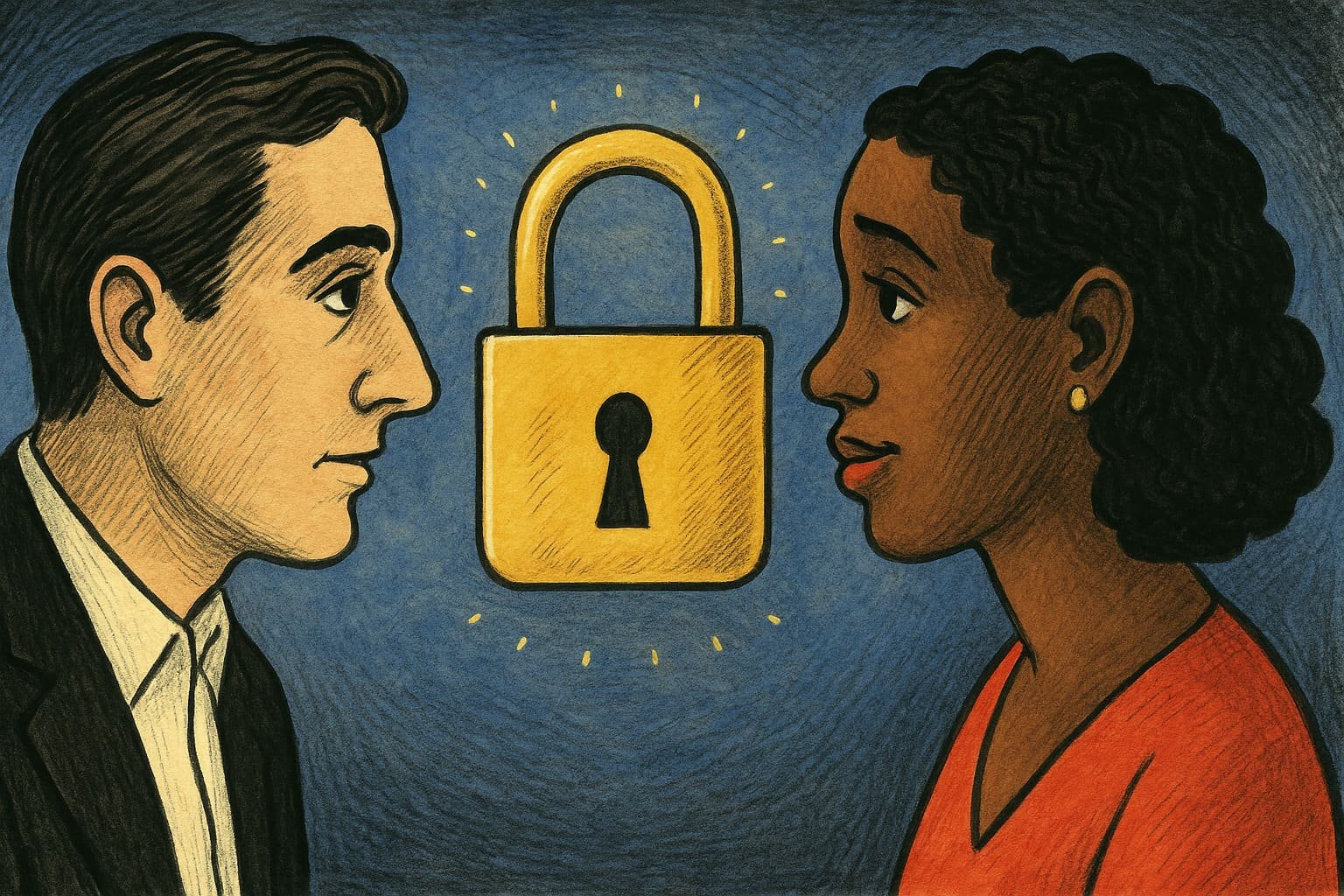
Night spills across the city, splintering neon through misted glass. In a penthouse conference room, executives circle a glowing table, voices polished to perfection but hearts bolted shut behind silent passwords. Not a single laugh escapes unchecked, every gesture choreographed like a covert dance. Power lies not in who speaks loudest but in who detects the secret emotional patterns swirling beneath the script. The ones who crack the code do not always climb the ladder; they build it, one unspoken bond at a time.
Phones vibrate, faces flicker, scripts shuffle as the head of product, Sabine, pauses mid-sentence. Around her, colleagues instinctively hold their breath. She pivots with a joke from a childhood memory, her vulnerability surfacing like the first ripple before a tidal wave. Laughter tumbles out, raw and unrehearsed, weaving the team together for a fleeting, electric instant. The room softens. In that moment, Sabine’s story is not a distraction, but a master key that unlocks a hidden corridor in every mind.
On the fifteenth floor, a new intern, Devon, watches invisible patterns play out: the subtle tilt of a brow, the curl of a lip, the nervous tap of a pen. He recognizes the coded signals that signal trust or distrust, acceptance or exile. While others scan for data or results, Devon senses something deeper; an encrypted rhythm in the way people listen, sigh, or lean closer. To him, these signals hum like a password prompt. Each team, each relationship, operates behind a firewall of emotional encryption.
Beneath the polished surface of business, something ancient stirs: the need to belong. Connection isn’t just a matter of words exchanged; it’s the result of pattern-matching at the level of feeling. People invest in brands, leaders, and ideas that echo the same secret code in their own story. The right phrase, tone, or gesture slips past defenses, opening doors that force, logic, or even charisma cannot. Every breakthrough is preceded by an emotional password; one many never know they’ve entered.
The digital world loves to worship logic, but the true axis of influence is coded in emotions. The most viral campaigns, lasting partnerships, and revolutionary movements all trace their origins to an invisible handshake; a sequence of micro-expressions, vulnerabilities, and gut-level resonance. It is never a trend, never a hack, never a shortcut. It is the secret pattern that makes people feel chosen, seen, and compelled to say, “I trust you with my story.”
Quick Notes
- The room doesn’t reward loud voices; it obeys the secret signals of emotional pattern recognition.
- Most teams break down not because of failure, but because someone never learned the password to trust.
- Viral leaders don’t push harder—they mirror your secret hopes, making you feel like you wrote the script.
- Every workplace, brand, or friend group is built on emotional encryption, not logic or rules.
- The ultimate career hack is not networking; it’s decoding the secret pattern that makes people feel seen, safe, and understood.
The Pattern Beneath the Words: Why We Miss What Matters Most
Every meeting room holds two conversations: the one with spoken words, and the one humming below, shaped by tone, silence, and what remains unsaid. Most people rush to fill air with noise, missing the faint signal that actually directs decisions. It’s not just body language; it’s a shared pattern, a call-and-response, that tells you who belongs, who listens, and who has been quietly locked out. Sometimes, the greatest change in a company’s trajectory isn’t a new product or strategy, but a subtle shift in the collective mood, sparked by a single risked emotion.
Case in point: The legendary “Steve Jobs reality distortion field” was never about charisma alone. Apple insiders, like Tony Fadell, have described moments when Jobs would lock eyes, go silent, and then share an embarrassing mistake. The room would shift. Engineers who felt invisible suddenly leaned in, sharing breakthroughs they’d hidden for weeks. The true pattern was trust, built not on genius, but on controlled vulnerability; on flashing the emotional password when it mattered.
Patterns of belonging start earlier than we think. School playgrounds, startup launches, even presidential campaigns; all thrive or fail depending on who feels allowed to reveal their real story. Research in behavioral science supports what every outcast has always sensed: rejection triggers the same pain as physical injury. The brain is constantly searching for signals of welcome or warning, toggling between fight, flight, and join.
In elite consulting, teams like McKinsey’s “black ops” squads have become legendary for unlocking trust in rooms of skeptical executives. Their method is never a slick pitch, but a careful mirroring of energy, patience for pauses, and the occasional personal admission (“When I started out, I nearly blew a deal this big…”). This isn’t manipulation; it’s the difference between generic access and a bespoke invitation.
An anonymous manager at a tech giant shared a story about rescuing a stalled project with a single text message. Instead of another deadline reminder, she wrote, “I know you’re tired, and this feels impossible, but I believe in your weird way of seeing things.” That night, the engineer worked until dawn, re-energized by the sense of being truly known. It wasn’t a carrot or a stick, but a password: proof that the code had been cracked.
Mirrored Minds: The Science and Art of Feeling Seen
Connection doesn’t happen by accident. It’s orchestrated, consciously or not, by those who tune into unspoken signals. You know the feeling when a team clicks; not because the project is easy, but because someone recognizes your hidden patterns. This is the magic of mirroring: matching moods, language, or even micro-expressions to broadcast “You’re not alone.” Studies in neurobiology call it “emotional contagion,” but in business, it’s the engine of loyalty.
Think about Pixar’s famously creative teams. Producer Darla Anderson once admitted that every blockbuster started with months of awkward vulnerability, not brainstorms. They’d share personal stories of failure, fear, or hope, setting a tone of emotional candor. These sessions unlocked storylines and character arcs that became global hits. The emotional password wasn’t talent or intelligence; it was permission to be human together.
Patterns of mirroring pop up everywhere. At Google, managers who routinely check in on their team’s well-being (even with a casual “How are you, really?”) see higher retention and innovation. The secret isn’t the question, but the pattern behind it: signaling genuine curiosity, not checkbox empathy. The world’s best communicators don’t broadcast; they tune in, making subtle adjustments until they find resonance.
Sometimes, the right pattern can rescue a relationship on the brink. Take the story of Samantha, an HR director who watched two senior engineers feud for months. Tensions threatened the entire product launch. Instead of another mediation, Samantha invited them to share childhood stories over coffee. By the end of the hour, a pattern emerged; both had grown up feeling overlooked. This shared code unlocked laughter, then a handshake. The project crossed the finish line two weeks later.
The science is clear, but the art is messier. You can’t fake the password. You can only create space for the real thing to appear by risking vulnerability, honoring silences, and knowing that every person carries their own encrypted backstory. Emotional passwords aren’t guessed; they’re granted.
Viral Leaders: Those Who Speak in Passwords, Not Platitudes
You’ve seen them. The leaders who move crowds with a single sentence, making people feel something electric. They aren’t always the loudest, nor the most polished, but they transmit a pattern of belonging that others rush to join. This is the hidden art of viral leadership: the ability to detect and reflect the emotional passwords of a tribe.
Think about Shonda Rhimes, the powerhouse behind television juggernauts. Her team describes her gift not as vision, but as radical empathy. She listens with intent, catching what’s unsaid. During a notorious production crisis, she pulled aside a panicked writer and simply asked, “What are you most afraid I’ll think?” The room shifted. Creativity surged, not because of pressure, but because the pattern of psychological safety was activated.
Brands understand this too. Nike’s greatest campaigns are never just about shoes, but about unlocking stories of resilience, struggle, and self-belief. When Colin Kaepernick became the face of a controversial ad, the real play wasn’t politics; it was mirroring the password of millions who felt unseen. The result was a global wave of both criticism and loyalty, with connection trumping consensus.
Great leaders never stop scanning for emotional signals. In fast-moving startups, founders like Katrina Lake at Stitch Fix have been known to “walk the floor,” picking up on shifts in mood, banter, or even silence. When tension spikes, she doesn’t double down on productivity. She starts sharing her own doubts. This sets the pattern for a different kind of excellence; one built on transparency, not just performance.
Not every leader starts out with the code. The story of Noah, a struggling project manager, proves that the password can be learned. After losing half his team to burnout, he began every check-in with a simple ritual: he’d share something that scared him. Soon, teammates followed. Productivity soared, but so did loyalty. The room felt different: lighter, safer, braver. The code was rewritten in real time.
Encrypted Workplaces: Why Most Teams Never Break Free
Every organization claims to value “openness,” but few ever hand out the real password. Culture gets stuck in loops; rituals that keep outsiders out and insiders silent. You sense it when people check their words, eyes dart away, or humor turns brittle. Workplaces don’t break because of strategy failures; they break because the emotional encryption never gets updated.
One anonymous story floats among tech employees: A brilliant engineer, Anjali, once delivered breakthrough results but rarely spoke up in meetings. Her manager tried icebreakers, team lunches, and anonymous suggestion boxes; nothing worked. It wasn’t until a peer shared a raw story about impostor syndrome that Anjali laughed, then finally shared her own. The team’s trajectory changed. Innovation spiked. The emotional password had finally surfaced.
Corporate rituals often miss the mark, rewarding the loud, sidelining the quiet, and leaving introverts locked outside the vault of connection. Diversity programs stumble for the same reason. They focus on numbers, not on rewriting the encrypted patterns that keep stories hidden. Change only sticks when someone dares to disrupt the code usually by risking embarrassment or sharing an uncomfortable truth.
Pop culture doesn’t help, either. Shows like “Succession” glamorize toxic silence, as if power is built on secrets and withheld empathy. The reality is grimmer. Teams operating behind multiple firewalls of emotional encryption become slow, risk-averse, and defensive. The cost isn’t just missed opportunities, but lost souls; the ones who never felt safe enough to contribute their brilliance.
The science of team performance is clear. Psychological safety isn’t just a buzzword; it’s the base layer of trust on which every password rests. Without it, no amount of vision, perks, or compensation can unlock the true potential of a team. The best workplaces operate like trusted vaults: once you have the password, you never want to leave.
The Secret Pattern Playbook: How to Crack the Code for Real
Every relationship, team, or audience operates with its own encrypted password; sometimes visible, more often hidden in plain sight. If you want to unlock deep connection, it isn’t about saying more; it’s about reading between the patterns. The real key is curiosity, not confidence. Ask questions that invite stories, not just answers.
Brands like LEGO have thrived for generations by mirroring the evolving passwords of their audience. When digital threatened to eclipse toys, LEGO turned to families for stories, not just feedback. The company launched campaigns where parents and kids built together, sharing their messy, joyful rituals online. The emotional password was “shared wonder,” and sales surged.
The most successful communicators aren’t necessarily the most charming. They’re the ones who sense shifts in mood and aren’t afraid to pause or probe deeper. When you see a colleague withdraw, the reflex is to offer solutions. The password is to ask, “What do you need right now?” and wait for the real answer.
Every connection is a two-way lock. The password changes when the stakes get high, when trust has been broken, or when old rituals stop working. Sometimes, you have to be the first to risk vulnerability. Share a mistake, admit a fear, or celebrate someone’s unseen talent. The real playbook isn’t about controlling the narrative; it’s about inviting new voices to help rewrite it.
You’re already holding part of the code. Every awkward silence, every risked joke, every story you share or invite is a step toward the vault. The secret pattern isn’t a technique; it’s a decision to let people see behind the firewall. The only question that remains: Will you be brave enough to use it?
The Final Cipher: Where True Belonging Begins
Across a city after midnight, an empty café glows, rain smearing color across forgotten windows. Inside, a founder named Jalen sits alone, tracing the outline of a crumpled notebook page. Every failed pitch, every lost employee, every moment of heartbreak feels etched in invisible ink. He remembers the first time someone risked sharing a secret hope and how the whole company shifted, as if a new password had been whispered into the dark.
Somewhere else, a veteran teacher stands before a silent classroom, chalk dust swirling in the beam of a tired projector. She remembers years when students seemed unreachable until one day she let them in on her own teenage fears. The code changed. The room found its pulse. Trust was not engineered but unlocked, one pattern at a time.
In a crowded subway, a woman laughs with a stranger over a shared song on her phone. The brief exchange cuts through the day’s armor, reminding both of a password only music can trigger. There’s no agenda, no pitch, just a moment where belonging sneaks in sideways.
The most important password is rarely spoken. It’s carried in the way people meet your eyes, the patience they lend your story, and the silent promise that you are safe. Every company, every friendship, every family runs on this hidden code; a pattern woven from moments of courage, humor, and unguarded truth.
You already know the feeling: the door that swings open, the weight that lifts, the world that finally lets you in. So the question is: What pattern will you risk to unlock the next connection; yours or someone else’s?
Partnered. Provocative. Worth Your Scroll.
This is a Promoted Post by ESYRITE—yes, it’s paid, but never filtered. Our voice stays raw, real, and razor-sharp. We team up with bold ideas, game-changers, and stories that spark something real. If it’s here, it earned its place—no fluff, just impact. We don’t just promote—we provoke. Stay sharp. Dive deeper.
