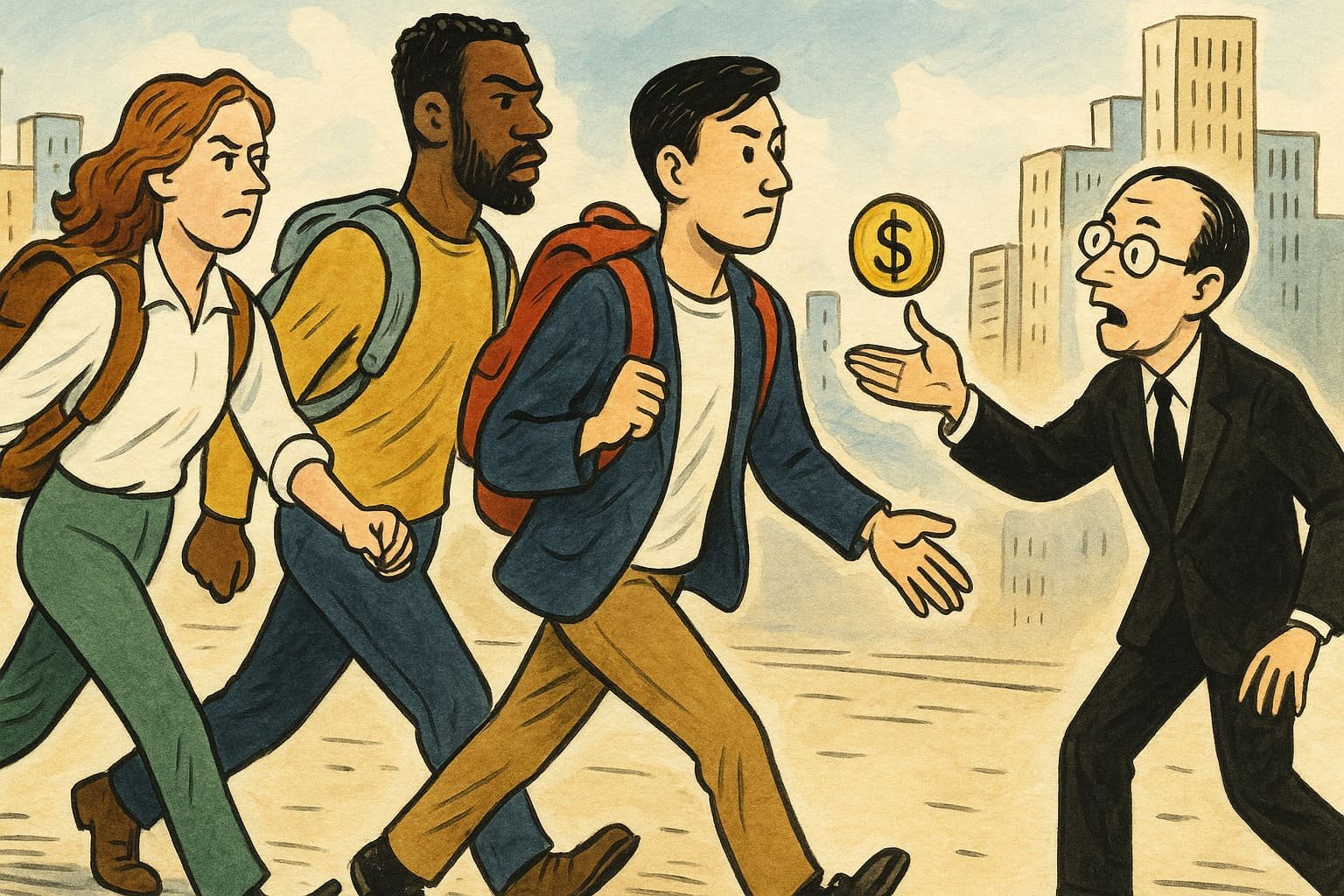
One by one, the legends slip away from the table. No more elevator pitches to impatient investors. No more watered-down visions, diluted missions, or dancing for a slice of someone else’s pie. The great startup breakup is here. Founders everywhere are firing their VCs; and the world can’t stop watching. This isn’t a slow revolution. It’s an overnight jailbreak, and it’s rewriting the rules of success in real time.
Remember that underdog scene in every good movie? The moment the hero steps out of the shadows and says, “I’m doing it my way.” That’s what’s happening right now in boardrooms and basements. Entrepreneurs are realizing the old Silicon Valley myth that venture capital is the only path to victory is just that: a myth. Bootstrapping is no longer a badge of scarcity, but a mark of mastery. The power to own your company, your future, your every wild idea, has never been more accessible.
This is the golden era for creative founders. The playing field is flatter, the tech stack is leaner, and the definition of success is broader. The truth is out: VC money is not the ultimate goal. Freedom, profitability, and the chance to build something authentic; that’s the real jackpot. Today’s article will show how bootstrapped startups are not just surviving without VC cash, but thriving beyond their wildest dreams. Welcome to the age of independent victory.
Quick Notes
- Bootstrapping Empowers Founders With Total Control: Founders make every decision and keep every win, trading short-term funding for long-term ownership and creative freedom.
- Lean Operations and Resourcefulness Become Superpowers: Necessity sharpens focus, forcing teams to prioritize only what customers truly value; building lean, resilient, and profitable businesses.
- Customer Love Replaces Investor Approval as the True North: Direct customer revenue means startups can ditch the pitch decks and obsess over delivering real value to the people who matter most.
- Real-World Case Studies Show Bootstrapping Outperforms VC Models: Brands like Mailchimp, Basecamp, and Spanx reached global heights with zero VC dollars, proving that slow, steady growth often wins the race.
- Bootstrapped Founders Shape a New Startup Culture: This new era puts mental health, ethical choices, and work-life balance back on the map showing that success isn’t just about scale, but happiness and meaning.
The Power Shift: How Bootstrapping Restores Founder Freedom
Startup dreams used to come with a catch; trade your vision for investor cash, or get left behind. The tide has turned. Bootstrapping returns the power to those who create, not those who write the checks. When you own every share, every call, every late-night pivot, you set the direction without compromise.
Jason Fried and David Heinemeier Hansson of Basecamp famously refused venture capital. Instead, they built a company that answers only to customers and their own sense of purpose. That decision shielded them from outside pressure, letting them scale on their terms. The lesson is simple but profound: ownership is the ultimate leverage. Every founder knows the sickening feeling of watching outsiders nudge them away from their mission. Bootstrapping means you answer to yourself, your team, and the people who buy your product; no one else.
Every bootstrapped entrepreneur tells a version of the same story: the freedom to chase a wild idea without endless approvals is intoxicating. Tara Reed, founder of Apps Without Code, scaled her business with zero outside capital, using profits to fund growth and reinvest in her vision. This independence attracts passionate people who want to build, not pitch.
The cultural impact of this movement is seismic. Founders now see that VC funding often comes at the cost of mental health, autonomy, and sometimes even ethics. Bootstrapping flips the power dynamic. Instead of “please fund me,” it’s “watch what I can do.” Daniel Pink’s drive framework-autonomy, mastery, and purpose finds its truest expression in the bootstrapped journey.
Are you building for your investors, or for your legacy? The best founders choose the latter. The most exciting companies of this decade will be born not in a pitch meeting, but in a moment of honest, unfiltered courage.
Scarcity to Strength: Why Lean Startups Win in the Real World
Startups that bootstrap learn the art of resourcefulness fast. With every dollar counted, priorities become laser-sharp. No sprawling marketing campaigns, no endless “test and burn” budgets. What remains is pure focus on delivering undeniable value to customers.
Mailchimp’s rise from side project to global marketing giant is a textbook case. Founder Ben Chestnut and his team built everything on cash flow, fine-tuning their product by listening obsessively to users. With no external cash, every hire, every launch, and every experiment had to justify itself. The result? A resilient, profitable powerhouse beloved by millions, all while keeping 100% control.
Bootstrapping forges grit. Every win feels earned, not granted. The Spanx story is now entrepreneurial legend. Sara Blakely started with her own savings, a big idea, and relentless hustle. No expensive ad agency. No glossy investor decks. Just endless cold calls and in-person pitches to department stores. That kind of adversity creates founders who weather storms and emerge battle-tested.
Lean operations are not just about survival; they’re about creating businesses that thrive in any economy. During economic downturns, VC-backed startups often shrink or collapse, beholden to outside funding cycles. Bootstrapped companies, built on profitable fundamentals, adapt quickly and keep their doors open when others fold.
Maslow’s hierarchy speaks to security and belonging. Bootstrapped teams become tribes. Every milestone means more because it was self-made. That shared struggle builds culture, loyalty, and an almost family-like bond that outsiders rarely understand. Scarcity, it turns out, is not a weakness but a superpower.
Customer First, Always: Revenue is the Only True North
When you bootstrap, there’s nowhere to hide from your customers. Every dollar comes directly from someone you’ve delighted, not a distant investor hoping for the next unicorn. This focus produces companies obsessed with solving real problems, not chasing hype.
Take the story of ConvertKit, founded by Nathan Barry. After rejecting VC money, he doubled down on building for his core audience; creators. Every product tweak was driven by user feedback. Growth became a side effect of trust, not paid acquisition. Today, ConvertKit’s transparency with pricing, product changes, and even company setbacks inspires fierce loyalty from customers who feel like part of the journey.
Bootstrapped founders learn to “sell or die.” Without a funding cushion, you iterate rapidly, kill bad ideas quickly, and build only what users will pay for. This discipline leads to a culture where real feedback trumps vanity metrics. There’s no time for ego when your business lives or dies by daily sales.
Customer-driven companies have a lasting advantage. Their roadmaps are built on lived experience, not investor narratives. This dynamic creates a virtuous cycle; happy customers lead to organic referrals, word-of-mouth buzz, and sustainable growth. Founders who listen win trust and often spark communities that market for them.
Bootstrapping isn’t just a funding strategy; it’s a commitment to authenticity. It keeps you honest and keeps your product sharp. Daniel Pink’s insights on purpose are alive here: when customers are at the heart of every decision, the work feels meaningful and deeply rewarding.
The next time you consider chasing outside money, ask yourself: Is your product so good people would pay for it today? If the answer is yes, you’re already halfway to victory.
Bootstrapped Brands That Defied the Odds
The world’s most iconic bootstrapped successes began as unremarkable underdogs. Look past the headlines and you’ll find stories of patience, grit, and pure creative fire.
Mailchimp’s founders, Ben Chestnut and Dan Kurzius, never dreamed of unicorn status. They simply wanted to build a tool that solved a problem for small businesses. Growing without VC cash forced them to stay close to their customers, innovate smartly, and make every dollar stretch. When they finally exited, the world gasped; not just at the company’s value, but at the way they’d done it on their own terms.
Spanx started in Sara Blakely’s apartment, fueled by rejection letters and the drive to change women’s fashion. Every win was a personal triumph, every setback a lesson. By the time Spanx became a household name, Blakely owned her story and her company outright. Her success didn’t just create wealth; it created a movement.
Basecamp, the rebel child of software, refused to play by anyone’s rules. Fried and Hansson built a culture that valued deep work, sanity, and transparency. Bootstrapping let them prioritize long-term value over short-term headlines, inspiring a wave of founders to rethink what winning looks like.
Plenty of lesser-known heroes exist too. Nomad List, founded by Pieter Levels, grew from a simple spreadsheet to a thriving community, all while rejecting VC calls. Each new member, each feature, was built from customer feedback and reinvested profits. The result is a company that feels like a movement, not a marketing stunt.
The secret thread in every story? Bootstrapped brands grow slow, steady, and sustainable. They weather storms, bounce back from setbacks, and emerge not just as businesses; but as symbols of entrepreneurial freedom.
Redefining Startup Success: Wellbeing, Ethics, and the Bootstrapped Revolution
The final and perhaps most important chapter in the bootstrapping revolution is about reimagining what “winning” actually means. Fast growth is exciting, but so is building something that lasts, feeds your soul, and makes the world a little better.
Many founders, after burning out on the VC treadmill, return to basics. They want businesses that let them sleep at night, treat their teams well, and contribute to their communities. Bootstrapping naturally encourages sane growth, ethical decision-making, and real human relationships. Profit isn’t the only metric; meaning, health, and happiness count too.
Indie hackers and solopreneurs are leading this charge. Sites like Indie Hackers and communities like MicroConf celebrate the builders who value quality of life as much as ARR. No more 100-hour weeks or crushing deadlines dictated by outsiders. The new rule: Your business should support your life not the other way around.
Maslow’s hierarchy places self-actualization at the peak. Bootstrapped founders reach it not just by creating wealth, but by crafting companies that reflect their deepest values. Whether it’s supporting a remote-first culture, using profits for social good, or simply having dinner with family every night, these wins matter.
The ethical bootstrapped business is more than a trend. It’s the future of entrepreneurship; a world where the company, the team, and the founder all thrive together. The “grow fast and break things” mantra is fading. In its place rises a culture of stewardship, sustainability, and self-defined success.
Ask yourself: Is your dream company one that would make you proud even if it never lands on the cover of a magazine? That’s the real bootstrapped jackpot.
Own Your Story: Why Now Is the Moment for Bootstrapped Bravery
The best business story you’ll ever tell is the one you write yourself. As the dust settles on the era of unicorn chasing, the new icons are the ones who chose the road less traveled; who said no to easy money, easy hype, and yes to relentless independence. Bootstrapped founders are proving, every day, that true freedom is the best kind of capital.
You don’t need to raise millions to matter. You don’t have to sell your soul for scale. The companies changing the world right now are the ones with skin in the game, heart in the mission, and eyes fixed on their customers; not their cap tables. If you’re ready to own every up, every down, every inch of the journey, the time has never been better.
So ask yourself: Are you ready to build a company on your terms? Are you willing to risk comfort for creative sovereignty? Because the greatest adventure in entrepreneurship isn’t just finding a big exit; it’s finding the courage to do it your way. What would you create if no one could tell you “no”? Maybe it’s time to find out.
Why scroll… When you can rocket into Adventure?
Ready to ditch the boring side of Life? Blast off with ESYRITE, a Premier Management Journal & Professional Services Haus—where every click is an adventure and every experience is enchanting. The ESYRITE Journal fuels your curiosity to another dimension. Need life upgrades? ESYRITE Services are basically superpowers in disguise. Crave epic sagas? ESYRITE Stories are so wild, your grandkids will meme them. Want star power? ESYRITE Promoted turns your brand cosmic among the stars. Tired of surface-level noise? ESYRITE Insights delivers mind-bending ideas, and galactic-level clarity straight to your inbox. Cruise the galaxy with the ESYRITE Store —a treasure chest for interstellar dreamers. Join now and let curiosity guide your course.