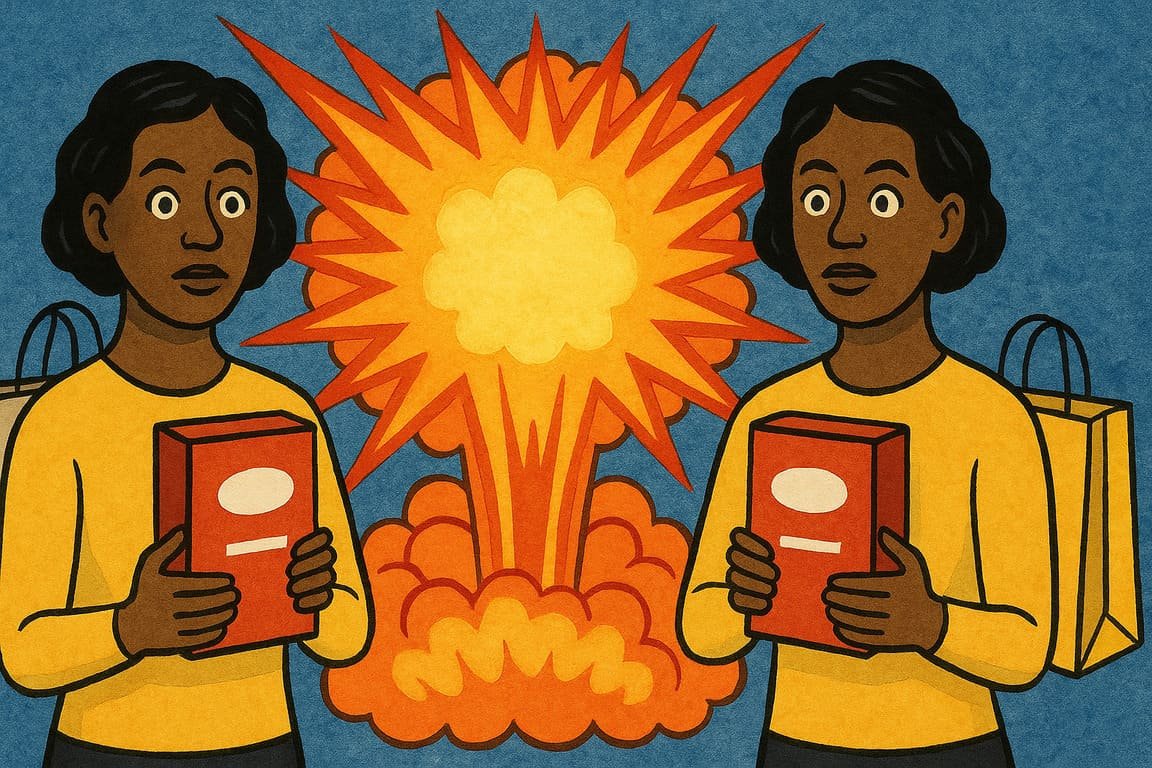
Deep inside a warehouse, a team gathers beneath a row of nearly identical products, each meticulously arranged under cold industrial lights. The atmosphere thrums with anticipation, the kind that comes right before a magician’s reveal. No loud slogans, no radical redesigns—just two brands, side by side, so visually alike they could be twins. The secret at play: doubling down on design, exploiting a psychological loophole so old it feels new. The lesson dances quietly on polished floors—when brands mimic each other’s look, sales don’t just nudge upward. Sometimes, they detonate.
This isn’t simple copycatting. It’s a calculated move seen everywhere from supermarket aisles to digital storefronts. A small beverage startup once mirrored the clean minimalist style of a global soda giant—same slender bottle, same understated typography, a sly echo of color. Within months, sales soared, with shoppers subconsciously linking the local upstart to familiar reliability. The founder, Anita Oduor, credits the surge to “visual familiarity.” When things look alike, people trust faster, try sooner, and abandon less.
You wander a pharmacy and reach for headache tablets, your hand drawn toward a blue box that feels oddly comforting. You don’t read the label right away. Instead, you’re guided by shape, color, and visual rhythm, the quiet song of sameness. The “twin brand” trick isn’t just for new entrants. Even global leaders practice it, launching sub-brands that mimic the mother ship—think soft drink variants, detergent lines, or supermarket-owned brands that echo the giants, capturing every segment of the market with subtle sleight of hand.
Psychologists call this the “mere exposure effect.” The more you see a look, the more you trust it, and the less likely you are to second-guess a purchase. A beauty brand in Dubai discovered their new skincare line lagged in sales until packaging was redesigned to mirror the leader’s coral-and-white palette. Suddenly, sales climbed. The company’s creative director observed, “We didn’t change the formula. We changed the first impression.”
Real stories flood the business world. In a Nairobi market, two snack carts sit feet apart. One is neon green with bold comic fonts, the other echoes it exactly—same color, same shapes, but just enough difference to stay legal. Both carts are packed. Customers bounce from one to the other, treating the twin designs as proof of quality and reliability. The result: sales double for both, and the neighborhood gets its own inside joke about “snack twins.”
The digital world leans even harder into the twin effect. Streaming platforms, news apps, and ride-sharing services often feature eerily similar logos, navigation, and brand colors. The reasons aren’t always sinister. In a landscape flooded with choices, design sameness becomes a shortcut for users overwhelmed by novelty fatigue. They click what they recognize, skipping explanations, trusting their instincts.
Brand strategists understand the risk: copy too closely, and you risk lawsuits or dilution. But play just on the edge—twin, don’t clone—and you tap into one of the most powerful drivers of mass-market behavior. The cleverest designers tweak elements just enough to stand out while signaling “I belong here.” A Scandinavian furniture upstart once launched a new line with a style so similar to the industry titan that it made headlines and sold out in a week, despite being half the price.
You see this twin effect in fast-moving consumer goods every day. Shelves filled with energy drinks, chips, or even vitamins blur together, giving latecomers a chance to ride the brand recognition wave. One tech accessory company discovered that by mirroring the matte black, minimalist look of a beloved phone brand, they could sell more chargers, even if the features were nearly identical to every competitor’s. The CEO called it “brand piggybacking—riding the halo of a giant.”
But the trick isn’t just for startups or challengers. Global brands use twins strategically to launch new flavors, experiment with formats, or even re-enter markets where they once failed. A popular yogurt brand introduced an oat milk line in packaging nearly identical to its dairy classic, quietly cornering the plant-based market with zero ad spend. Shoppers barely noticed the shift, their loyalty sliding smoothly from one aisle to another.
This twin strategy, while wildly effective, demands discipline. Copycats can crash and burn if the product behind the look doesn’t deliver. The twin brand’s power lies in its promise: if it looks familiar, it should feel safe, work well, and taste just right. If it doesn’t, the backlash is swift—and social media is unforgiving.
Despite the risks, the strategy is not going away. In crowded industries, design echoes create shortcuts that ease confusion and build confidence. When done well, the “twin brand” move turns a single winning look into a market-dominating army, each clone amplifying the sales wave rather than dividing it.
Beneath the soft glow of fluorescent lights, two brands—each reflecting the other—become more than competitors. They become a mirror, amplifying trust, curiosity, and desire in every shopper who passes. The warehouse quiets, the magic lingers, and somewhere, a designer dreams of the next perfect echo, the look-alike that could change everything.
You step away, scanning the shelves with fresh eyes, wondering which twin will win your loyalty, and which familiar face is already shaping your next irresistible impulse.
