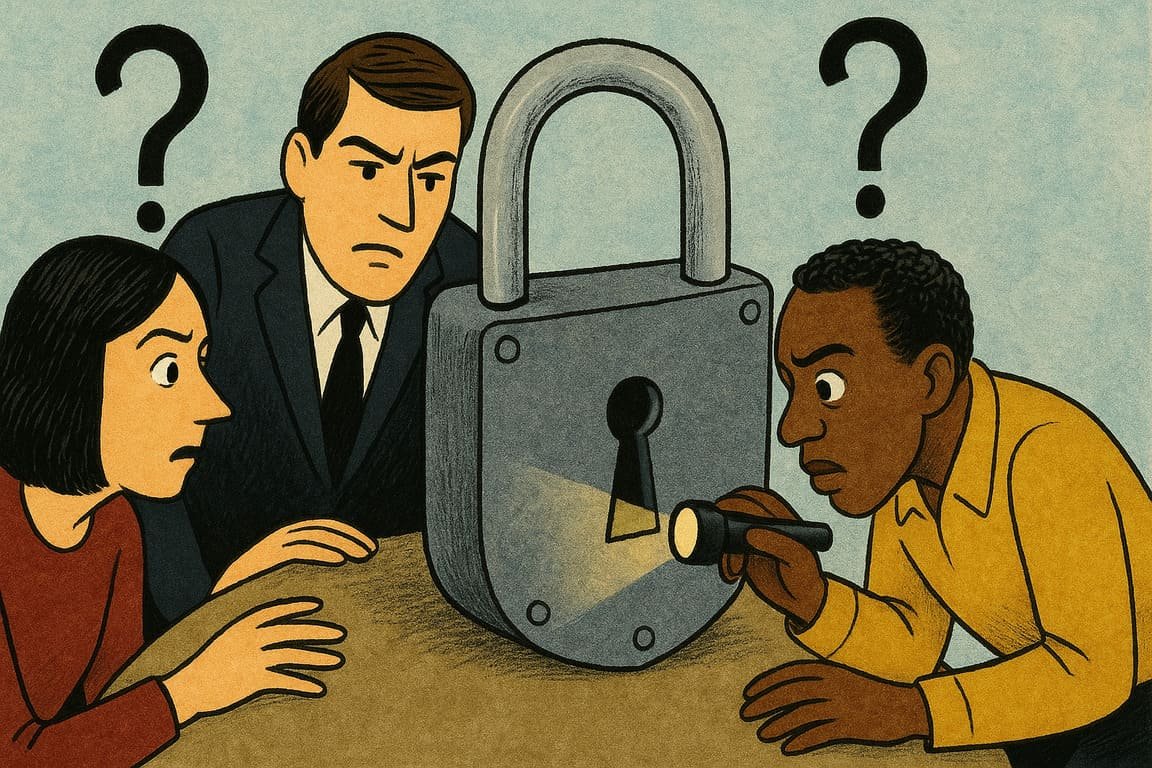
Late at night, a single bulb casts a harsh glow over a desk stacked with audit reports, printouts, and security badges. A consultant, Mara, circles items on a checklist, lips pursed in quiet determination. Every question she asks feels like a probe into the company’s soul—uncovering vulnerabilities that hide in plain sight. The building is silent except for the distant hum of servers, each whirring with secrets. Here, in this after-hours calm, the real risks surface. Most are invisible during the hustle of day: missed software updates, passwords scribbled on Post-it notes, access granted to the wrong hands. In these moments, a company’s strength is tested not by bravado, but by its willingness to look in the mirror and ask the hard questions.
You know the routine, but every assessment cuts deeper than the last. The basics are familiar—“When did you last change your admin passwords?”—but each answer uncovers new layers. A recent Nairobi-based logistics firm found out the cost of complacency when a consultant’s simple inquiry revealed their HR database had never been encrypted. That single question sparked a chain reaction: emergency meetings, late-night system upgrades, new policies written with trembling hands. Their narrow escape became a cautionary tale passed around boardrooms and breakrooms alike.
For you, security isn’t just a checklist. It’s a mindset, a culture built on honesty and constant vigilance. Assessment questions can feel invasive, but they’re also liberating—revealing weaknesses before attackers do. When a fast-growing startup in Accra underwent a voluntary audit, their CTO, Felix, insisted every employee, not just IT, answer key security questions. The result was startling: a customer service rep’s “harmless” USB stick nearly let ransomware through the door. That wake-up call changed everything, prompting better training, clearer policies, and a culture where questions are welcomed, not feared.
Every business faces a reckoning with its digital shadow. As technology grows more complex, so do the threats. You might feel safe behind a firewall, but a single overlooked question—a forgotten server, an old user account—can be the crack where danger slips in. Mara once flagged a dormant marketing email address with admin access to sensitive files. The oversight was so ordinary that no one noticed for years. The fix took minutes, but the lesson lingers: risk hides in the spaces we stop looking.
Questions aren’t weapons, but lifelines. They force teams to confront the uncomfortable, to revisit decisions made in haste or under pressure. When a regional bank in Mombasa survived a phishing attack thanks to a junior clerk’s recent training, leadership realized the value of regular, honest self-examination. Now, monthly “security question hours” are a fixture—a safe space for vulnerability, learning, and sometimes even laughter at near-misses.
Security assessment is a journey, not a verdict. For every company that finds a glaring hole, another discovers quiet strengths—like the retailer whose outdated network hid an ingenious workaround by a night-shift tech, saving critical sales data from disaster. These small victories build confidence and inspire teams to keep questioning, keep growing. In digital security, pride is dangerous. Curiosity and humility win the day.
Too many leaders treat assessments as once-a-year hurdles, instead of a living process. The best stories come from businesses that embrace continuous improvement: startups that review protocols after every incident, schools that invite outside experts to play “ethical hacker” for a week. Each time, the same truth emerges: the willingness to ask and answer tough questions is the strongest defense money can’t buy.
The impact of honest assessment ripples out. Partners, investors, and customers notice when a business takes security seriously—not just in words, but in daily practice. One emerging healthcare provider in Nairobi earned industry trust (and new clients) simply by sharing its annual security review results. Transparency became their edge. In an era where breaches make headlines, the company’s openness turned risk into reputation.
Your team’s comfort with tough questions sets the tone for everything else. Employees who aren’t afraid to report mistakes, managers who listen instead of blame, leaders who celebrate learning as much as winning—these are the true security champions. When Mara finishes her assessments, she always leaves a note: “Never stop asking.” That mindset keeps companies strong long after the consultant’s gone.
As dawn edges in, Mara gathers her notes, her reflection blurred in the darkened monitor. The office is still, yet something feels lighter—every uncovered risk a weight lifted. Outside, the city stirs, unaware of how close disaster came. The real battle for security, she knows, is fought not in code, but in questions. You’re left with a choice: wait for trouble, or ask until the shadows retreat.
