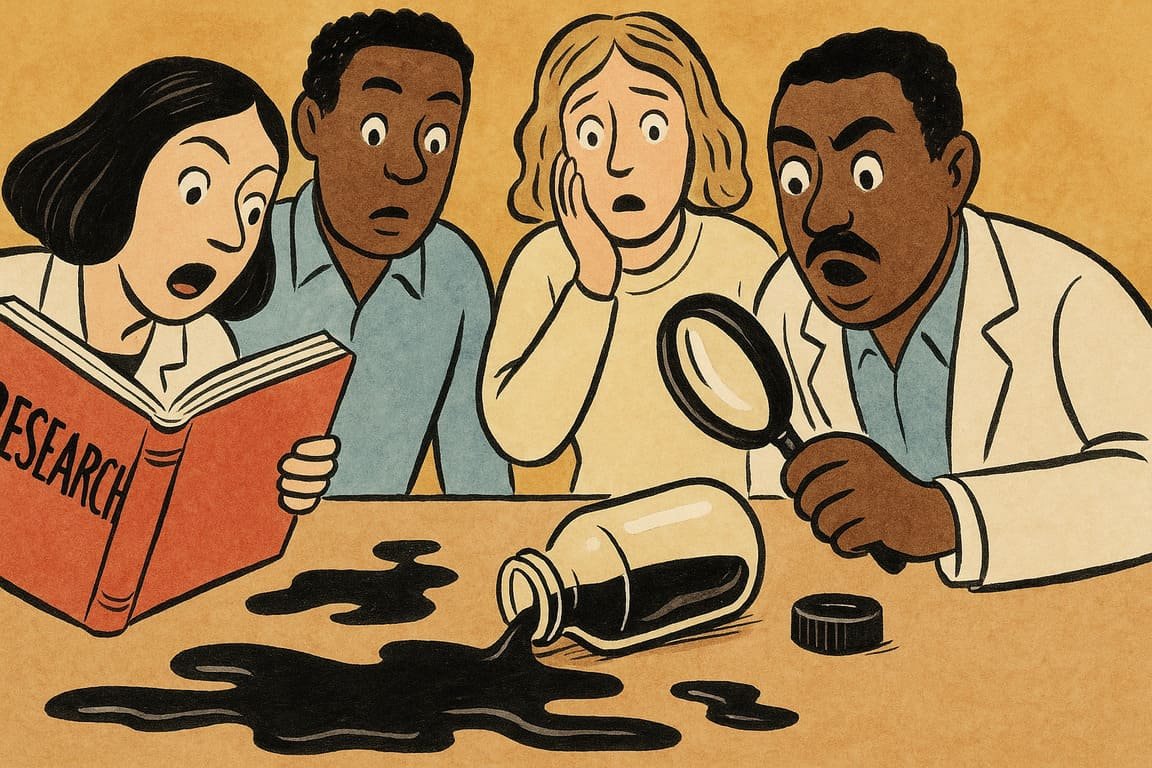
Office lights glow late into the night as the city pulses with unsolved riddles. Deep inside a busy start-up hub, a team of researchers gather around a cluttered desk, laughter mixing with frustration over a stubborn data set. Screens flash with graphs, audio notes, and far-flung field reports. Somewhere, someone munches popcorn, eyes glued to a spreadsheet, waiting for the “aha” moment. The mood is restless and raw—the scene where ordinary people become discovery’s heroes, armed not with luck but with a gritty set of skills. This is research stripped of its mystique, revealed for what it really is: a game of sharp instincts, clever tactics, and relentless heart.
Every quest begins with curiosity, but skill sets the pace. The most valuable researchers aren’t just born—they’re built. Take Nadia Moyo, a journalist who started as an intern fetching coffee. Her secret? The willingness to ask “why” until someone finally admits, “I don’t know.” Her relentless questioning led to a string of investigations that changed policy and landed her on prime-time television. Curiosity opens doors, but persistence kicks them off their hinges.
Observation is the first skill every researcher hones. It means seeing what others overlook, noticing patterns in chaos, or catching the odd detail that hints at a bigger story. When Tomás Ferrer mapped traffic flows in Buenos Aires, he carried a battered notebook everywhere—jotting down license plates, weather shifts, even the moods of street vendors. What looked random became the pattern behind a new city-wide delivery system.
Listening turns noise into gold. True researchers know that breakthroughs often whisper before they shout. Emily Choi, a public health analyst, built her most important study by listening to community elders in Chinatown—catching nuances and side-comments that never appear in surveys. Her quiet patience led to smarter outreach campaigns and healthier neighborhoods.
Critical thinking slices through confusion. It’s about questioning sources, spotting bias, and never mistaking tradition for truth. When a global brand stumbled on social backlash, it was a junior staffer, Sanjay Patel, who challenged the conventional wisdom, finding that viral complaints came from a single troll farm. His critical eye saved the company’s reputation—and millions in revenue.
Adaptability is survival. Research plans rarely go as expected. Labs lose funding, storms wreck fieldwork, and trends change overnight. Teams that thrive are those who pivot fast, turning setbacks into stepping stones. At a Kenyan wildlife preserve, a group of ecologists discovered poachers were using drones. Instead of despairing, they learned drone tech themselves, turning the tables and protecting endangered herds.
Communication turns findings into action. Data alone doesn’t change minds—stories do. Master researchers know how to translate numbers into narratives that move audiences. When Nia Johnson presented her findings on food deserts, she ditched jargon for stories about real families, transforming dry charts into a catalyst for change. The skill to persuade, not just inform, makes all the difference.
Teamwork is fuel. No one uncovers the truth alone. The most successful researchers are those who pool strengths, admit gaps, and amplify each other’s wins. The story of a COVID-19 treatment breakthrough didn’t belong to one genius, but to a global crew of clinicians, coders, and patients all rowing together through uncharted water.
Ethics is the anchor. Results gained at any cost rarely last. The best research is built on respect, honesty, and the courage to own up to mistakes. When Sofia Reyes discovered a flaw in her organization’s survey, she published a correction before anyone else noticed. Her transparency not only saved the study but deepened public trust.
Organization is the silent advantage. Behind every breakthrough is a methodical process: labeled folders, checklists, back-ups. It isn’t glamorous, but it’s what lets creativity thrive. Nobel laureate stories are full of index cards, color-coded notes, or quirky file systems. Chaos births ideas, but order delivers them.
Resilience keeps you in the game. Research is often slow, thankless, and full of dead ends. What separates the legends from the lost isn’t luck, but the refusal to quit when progress stalls. Kofi Mensah spent five years on a project that almost nobody believed in—until his findings revolutionized drought management across West Africa. His victory wasn’t sudden; it was earned.
Learning never stops. The world’s sharpest minds are constant students. They read outside their fields, seek mentors, and absorb lessons from every win and loss. When you make curiosity a habit and growth a goal, the next big skill is always within reach.
As dawn creeps over the city skyline, the start-up’s team sits in quiet satisfaction, popcorn bowls empty and laptops closed. In the hush, a sense of purpose lingers: every tough question, every hard-won insight, every messy setback has unlocked a new piece of the puzzle. Beyond the glass, the city stirs with new problems, waiting for the next seeker bold enough to play the game.
Skills aren’t born—they’re built. The next challenge is out there, hiding behind noise, ready to be revealed by those willing to ask, listen, adapt, and begin again.
