Ceiling fans spin lazily in a cluttered newsroom, rustling stacks of printed reports and post-it notes. On an ancient sofa, two grad students duel over rival search results while a senior editor marks up a manuscript with bold red slashes. Sunlight filters through cracked blinds, glinting off laptops and empty coffee cups. There’s tension here—too much information, not enough wisdom. In a world obsessed with speed, the real secret to great research is knowing how to turn chaos into clarity. Tonight, the newsroom becomes a war room, where information is sifted, tested, and finally made useful.
The hardest part isn’t finding facts—it’s choosing which ones to trust. Every scroll through academic journals, blog posts, and interviews is a minefield of half-truths, hype, and copycats. Scholar Olivia Mwangi, famous for her knack for synthesis, built her career by turning sprawling reports into breakthrough recommendations for public health campaigns. Her trick? Ruthless filtering. She treated information like a detective treats clues: most are noise, but some reveal the plot.
It starts with asking sharper questions. Instead of piling up sources, scholars interrogate them: Who’s the author? What’s their bias? What methods did they use? If you don’t interrogate your evidence, it’s easy to get dazzled by prestige or distracted by buzzwords. When Olivia led a study on nutrition, she dismissed dozens of high-profile sources in favor of two overlooked field reports. Those choices shaped policy and saved real lives.
Connecting the dots is where the magic happens. It’s not enough to know a fact—you need to see how it fits. That means building mental maps, not just lists. Top researchers use whiteboards, sticky notes, even napkin sketches to visualize patterns. They spot links others miss. When a young data analyst traced spikes in emergency room visits to shifts in local food prices, she changed a city’s approach to poverty overnight.
Beware of echo chambers. The internet loves to recycle the same “insights” until everyone forgets the original question. True scholars hunt for diverse voices—contradictory findings, outlier cases, even criticism. Synthesis means weighing the full spectrum, not just the crowd favorites. It’s how a product manager at a major tech firm broke the mold: she found the solution to a user experience problem in a competitor’s support forum, not in any industry whitepaper.
Organization turns overwhelm into opportunity. Great researchers know their own limits. They keep tidy folders, annotated bibliographies, or even audio memos. The best syntheses come from order—knowing where every puzzle piece lives, so the bigger picture emerges with ease. When deadlines loom, a well-organized mind wins the day.
Don’t fear disagreement. The most valuable findings often hide in friction. Disparate studies, clashing expert opinions, and unresolved debates are goldmines for new insights. One urban policy researcher found a breakthrough on housing affordability by comparing reports that flatly contradicted each other. He discovered the “gap” was the real clue.
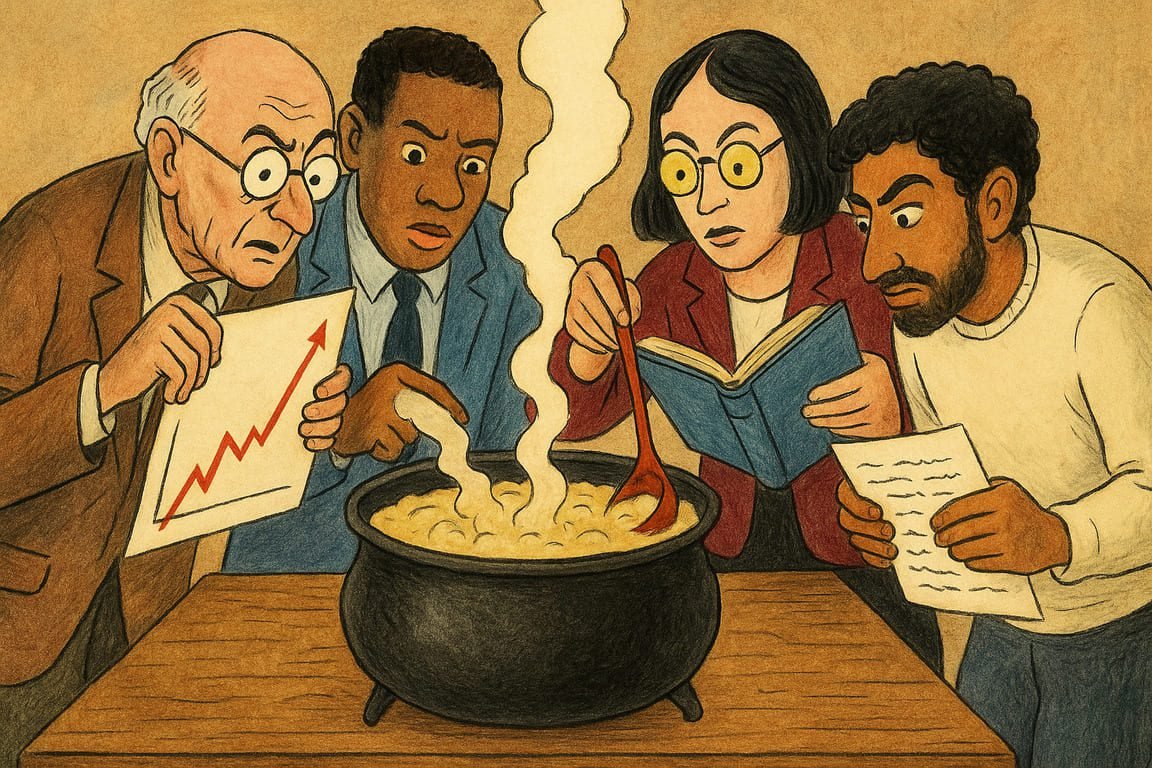
Boil it down, then build it back up. Synthesis isn’t regurgitation. It’s distillation—reducing a tangle of research to its essence, then reconstructing it in a way that reveals something new. Think of it as editing a film: you cut, splice, and rearrange until the story feels inevitable. When a team at a nonprofit stitched together interviews from five continents, their final report landed like a thunderclap at the United Nations. They made complexity sing.
Stay honest about uncertainty. No synthesis is perfect. It’s tempting to force a neat conclusion, but real scholarship admits the gaps. The most trusted reports leave space for doubt, questions, and further investigation. Olivia often left her summaries with an open-ended note, inviting readers to look deeper and challenge the findings.
Collaboration multiplies results. Nobody knows everything. The sharpest syntheses are team efforts, blending disciplines, perspectives, and lived experiences. When engineers partnered with anthropologists to study smartphone adoption in rural India, they discovered barriers and solutions that neither side could have found alone. Each voice added new threads to the final tapestry.
Timing matters. Sometimes, the value of information is all about context. A forgotten data set becomes gold when the world shifts. Researchers who keep an ear to the ground, tracking trends and world events, are ready when the moment arrives. They synthesize faster, with more impact.
Communication is the final test. Synthesis isn’t just about understanding—it’s about making others care. The best researchers translate their findings into clear, engaging stories. Olivia’s greatest triumph wasn’t her own insight, but the way she turned dry policy briefs into vivid narratives that moved stakeholders to act.
The newsroom empties, but the last lamp still burns above a table scattered with highlighters, marked pages, and cold coffee. In the quiet, a researcher reviews a single page—carefully, critically, as if searching for the pulse beneath the text. Outside, the city hums with unfinished business. Inside, one mind distills the chaos, transforming data into something bold and unforgettable.
Somewhere, your own stack of notes waits for a spark. The question is never just what you know—but how you connect it all, and what new world you’ll build from the pieces.
