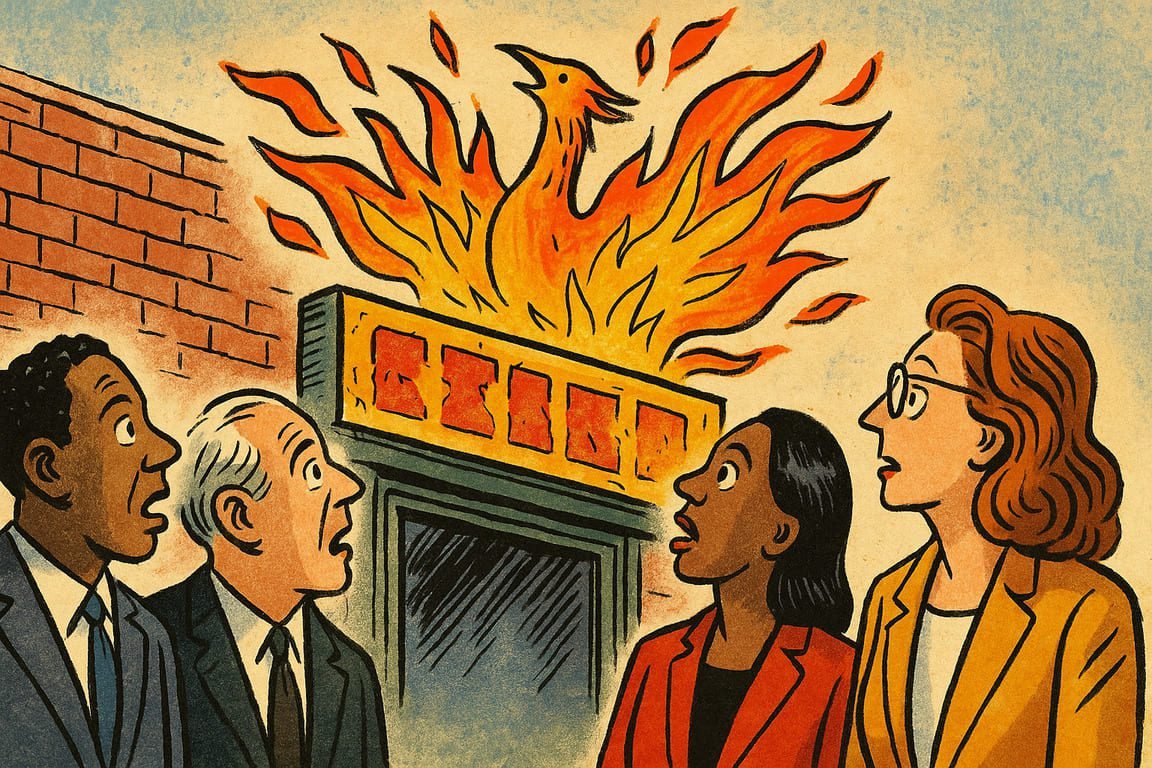
A once-glorious bakery stands on a faded street corner, its windows clouded with flour and old memories. Inside, sunbeams slice through dust as a new sign goes up, crisp and bold where the old one sagged. A photographer hovers, snapping shots for a reveal campaign. The city’s rumor mill starts to buzz: something is changing behind the glass. Former customers walk past, then double back, drawn by a fresh pop of color in the display and a new logo gleaming against the morning light. It’s not just a facelift. It’s a full-blown resurrection. The world’s oldest brands, once thought past their prime, are rewriting the rulebook and taking the crown back—one rebrand at a time.
What you see outside is only the tip of the story. Inside the war room, teams of strategists and designers work around the clock, studying the ghosts of the brand’s past and the wishes of the market’s future. They pore over archives, interview old regulars, map every rise and fall. The mission is clear: not to erase history, but to reimagine it for a new era. A successful revival never buries its legacy; it finds new energy in forgotten details, blending nostalgia with innovation until something irresistible emerges.
You’re surrounded by the evidence. Rebrands that once seemed risky are now headline news. Consider Burberry’s electrifying switch from staid heritage to digital dynamism, or LEGO’s transformation from bankruptcy to a pop-culture juggernaut. Each move began with deep listening—what do people miss, what do they want, what could make them care again? The brands that win big are the ones bold enough to admit what’s broken and then smart enough to bring customers along for the comeback.
You’ve felt the pull: that electric moment when an old favorite suddenly feels new. Maybe it’s a legacy diner relaunching with a street-art mural and locally sourced menu, or a classic soda reviving its original bottle design but with a QR code linking to modern playlists. The smartest rebrands know that change, to work, has to feel both shocking and inevitable. You want the surprise, but you also crave the comfort of continuity.
Behind every headline is a battleground of ideas. Teams fight over color palettes and campaign slogans. Old guard and new blood clash, sometimes literally, over what matters most. Real stories anchor the process—a shopkeeper who spent decades sweeping the same floor, a retired founder whose signature recipe returns by popular demand, a customer who remembers every version of the brand’s logo. These moments get woven into the campaign, not as marketing fluff, but as living proof of a brand’s humanity.
You are not a passive bystander. Modern rebrands succeed because they make you a participant. From Instagram polls to in-store events, your opinion is sought out and celebrated. The best brands turn you into a co-creator, inviting you to vote on flavors, suggest playlist themes, or share old photos. The result: a revival that feels personal, a comeback you helped script.
Emotions run high. Customers who once mourned the loss of a beloved brand now cheer its return—often with more passion than ever. Designers channel these feelings into packaging that nods to the past but explodes with new life. A fast-food chain might resurrect a retro mascot, while a legacy publisher launches a podcast studio in the attic of its first office. Every touchpoint tells a story: “We remember, but we’ve moved on.”
Case studies are everywhere. Gucci, for years boxed into old luxury, exploded back onto the scene by mixing vintage logos with streetwear sensibility. Kodak, nearly erased by digital photography, staged a viral comeback through retro graphics and influencer collabs. These successes weren’t random. They were calculated risks, rooted in humility and guided by data and gut alike. You see the result in crowded stores, buzzy launches, and suddenly cool old brands splashed across social feeds.
You crave authenticity, and you can spot a fake revival from a mile away. Rebrands that ring hollow die fast, buried under hashtags and hot takes. The survivors are those who respect what came before but aren’t afraid to burn the rest down. They balance memory and momentum, tradition and disruption, safety and boldness. You feel the difference in your bones.
A true revival is a movement. The most powerful comebacks turn customers into fans and fans into storytellers. It’s not about a new logo or a fancy ad. It’s about the sense that you are witnessing history—a second act, written by everyone in the room. When an old business dominates, it’s because they made you care enough to come back.
Evening settles over the bakery. The new sign glows gold as crowds gather, trading stories of what was and what’s to come. Inside, the owner wipes flour from his hands, watching as a child marvels at the mural and an old regular tears up at the familiar smell. The camera’s flash lingers, capturing a moment when past and future blur.
You can feel it: loyalty reborn, hope rewritten. When a comeback calls your name, will you answer—or let history move on without you?
