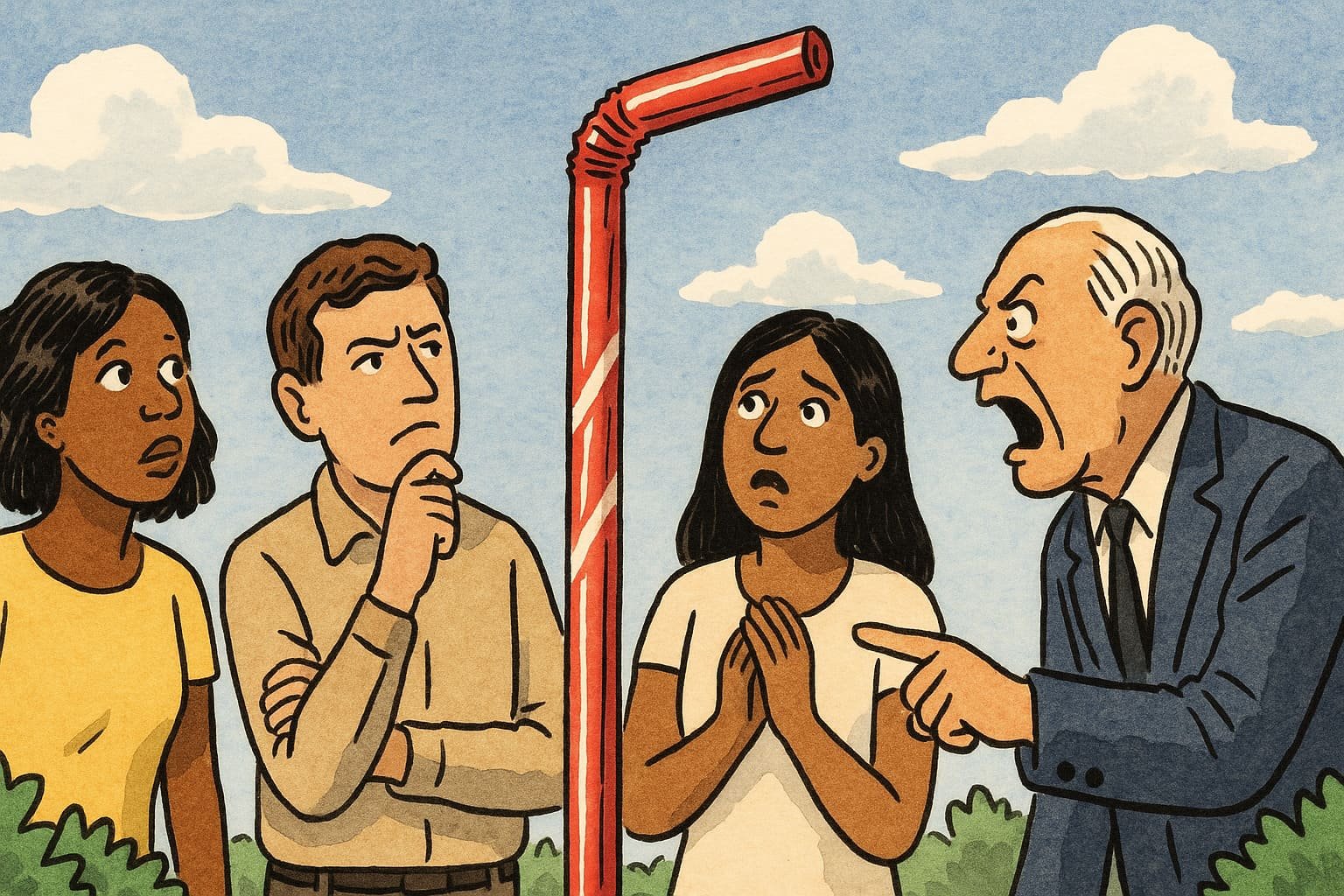
Somewhere between your iced latte and a viral turtle video, the humble plastic straw became enemy number one. One day, it was a background character in your smoothie; the next, it was public enemy #1 on every sustainability influencer’s feed. Cities, airlines, coffee shops and even entire countries rushed to banish plastic straws from their shelves. The world cheered, hashtags trended, and paper straw manufacturers saw dollar signs. The narrative was intoxicating: give up a tiny luxury, save the planet. Simple, right? Or is it?
Beneath the viral memes and ocean-washed beach cleanups, a deeper question bubbles up: Is the plastic straw ban a game-changing leap for Earth or a glossy distraction hiding bigger threats? With oceans choking, consumers divided, and corporate greenwashing at its peak, the truth is far more tangled than a discarded six-pack ring. This is the story of how a single-use object sparked a global showdown; one that says more about human psychology, systemic problems, and collective hope than it does about the straw itself. You might never look at your drink the same way again.
Quick Notes
- Symbol Over Substance: Plastic straw bans captured hearts but often do little to reduce total plastic pollution compared to bigger, less-visible culprits.
- Accessibility vs. Activism: Straws play a crucial role for people with disabilities, exposing the tension between blanket bans and genuine inclusion.
- Greenwashing and Virtue Signaling: Many businesses adopted the ban as cheap PR, dodging deeper, costlier environmental reforms while distracting customers.
- Behavioral Science at Work: The viral success of straw bans shows how simple, relatable symbols can shift culture, but real change demands targeting the biggest polluters not just the most Instagrammable objects.
- The Path Forward: True environmental progress lies in system-wide innovation, clear regulation, and empowering consumers to push for bold, impactful reforms not just easy wins.
The Viral Straw: How One Tiny Tube Hijacked the World’s Attention
Plastic straws were, until recently, a forgettable feature of daily life. The kind of object you toss without thought, as disposable as the napkin beside it. That all changed with a single viral video: a sea turtle in pain, a plastic straw jammed in its nostril, and millions of horrified viewers. Suddenly, sipping became political. Overnight, global movements were born, and the straw was recast as an environmental villain.
Starbucks announced a global phase-out. Airlines like Alaska cut their straw orders. Cities from Seattle to Nairobi rushed to legislate bans. The pace was dizzying; one week you were slurping guilt-free, the next you were fumbling with soggy paper replacements or sipping straight from the rim. The social media machine kicked into high gear. Eco-influencers adopted #StopSucking, making straw refusal a badge of honor. Brands and celebrities jumped on board. Late-night hosts poked fun at the “Great Straw Panic,” but the momentum was unstoppable.
For years, environmental activists had struggled to capture public attention. Ocean plastic was a slow-burn crisis, hidden beneath waves or scattered on distant shores. Straws cut through the noise by offering a symbol everyone understood. They became shorthand for the larger fight; proof that even tiny acts could matter. The result: a firestorm of bans, pledges, and viral content that made straw-free living the new normal in trendy cities worldwide.
Yet the movement’s very simplicity became its Achilles’ heel. Banning straws felt empowering, but did it actually matter? Many experts warned that the straw was a rounding error in the vast ocean of plastic waste. Grocery bags, fishing nets, and industrial packaging make up the lion’s share. Focusing on the straw, critics argued, was like emptying a sinking ship with a teaspoon. The bigger questions about consumption, corporate responsibility, and infrastructure remained largely ignored.
Real-life stories poured in from every corner. A Los Angeles café owner celebrated the PR boost from going strawless. Meanwhile, a coastal cleanup crew in Manila sifted through plastic bottles, flip-flops, and snack wrappers by the ton barely a straw in sight. The symbol was everywhere. The reality? Not so much. The viral story of the straw reflected both the power and limits of modern activism: massive reach, modest results.
The Inclusion Dilemma: When Good Intentions Hurt the Vulnerable
For millions, ditching the plastic straw is a minor inconvenience. But for many people with disabilities, straws are essential, not optional. Suddenly, bans designed to save sea life ran headlong into issues of access, dignity, and basic rights. What was meant to be a symbol of progress revealed deeper cracks in how we design environmental policy.
Stories from the disability community highlight this tension. Sarah, a New Yorker with cerebral palsy, described her experience at a trendy bar after the citywide ban: “They handed me a paper straw that fell apart halfway through my drink. I felt embarrassed asking for a plastic one.” For her and many others, plastic straws are vital tools for safe, independent living. Metal and bamboo alternatives can cause injuries, are hard to clean, or trigger allergies.
Legal battles erupted in cities across North America. Activists pushed back, demanding exemptions or smarter legislation. The backlash forced some cities to revise their bans or quietly stash plastic straws for those who need them. Social media campaigns like #StrawBanDisaster exposed the limits of feel-good policies that overlook real-world consequences. For all the talk of saving turtles, the movement had left some people stranded.
The saga sparked a reckoning within sustainability circles. True progress, advocates argue, must balance environmental gains with social justice. Blanket bans risk hurting the very people society should protect most. A Seattle disability rights group’s viral post: “Save the oceans, but don’t sink access” brought the issue into sharp relief. Striking that balance is messy, complex, and requires far more than a catchy hashtag.
Policymakers scrambled to catch up. San Francisco, London, and Melbourne wrote disability exemptions into new laws. Some coffee chains switched to “by request only” models, handing out plastic straws discreetly when asked. For many, this episode was a wake-up call. The real world isn’t one-size-fits-all. If the goal is a better planet for everyone, everyone’s needs must be part of the conversation.
Case studies show that lasting solutions require inclusive design from the start. Singapore’s model phased reduction, not outright ban offered a gentler path. Lessons learned from the straw saga now shape broader debates, from electric scooters to sustainable packaging. The fight for a cleaner world only works when it’s a fight for a fairer world, too.
Greenwashing & Virtue Signaling: When Bans Become Marketing Magic
The moment plastic straw bans hit headlines, corporate marketers got busy. Suddenly, every brand wanted a piece of the action. Coffee chains rolled out special lids. Airlines beamed about “eco-friendly skies.” Fast-food giants tweeted their new “strawless” logos, basking in a green glow. But behind the scenes, many companies quietly shifted their waste elsewhere or made no meaningful change at all.
Greenwashing, the art of looking sustainable without being sustainable, found a new icon. Big brands championed straw bans as headline-grabbing proof of their environmental values, while quietly ignoring bigger plastic footprints. A global soda giant cut straws but shipped billions of single-use bottles every year. A hotel chain bragged about “straw-free” cocktails, then tossed mini shampoo bottles by the ton.
This is virtue signaling at scale; public gestures designed to boost reputation without tackling root problems. For companies, it’s far cheaper to redesign a lid or tweet a green promise than to overhaul supply chains, reduce packaging, or invest in recycling infrastructure. Customers get an easy win; brands get social capital. The planet, though, remains largely unchanged.
Consumers are catching on. Millennials and Gen Z, once the chief evangelists of straw bans, have begun calling out hollow PR moves. Hashtags like #Greenwashing and #EcoFaux rage across Instagram and TikTok. Influencers swap war stories about paper straws turning to mush and brands ducking hard questions. The straw ban, once a badge of progress, now risks becoming a punchline in the wider sustainability debate.
Yet not all campaigns are empty. Some companies took the opportunity to innovate. A Seattle coffee chain invested in compostable packaging and a closed-loop cup return system, shrinking their waste far beyond straws. A Danish airline swapped single-use everything for plant-based, biodegradable materials. When the pressure goes beyond optics, real change happens.
The straw ban saga is a reminder: true leadership means going beyond symbols. Greenwashing thrives when customers don’t ask questions. Only when consumers demand action on the issues that matter like plastic bottles, bags, and broken recycling systems do brands stop coasting on easy wins and start tackling real challenges.
Small Wins, Big Illusions: Behavioral Science Meets Systemic Inertia
The science behind why the straw ban worked so well despite its limited impact is both fascinating and frustrating. Humans crave simple stories, clear villains, and bite-sized actions that offer a sense of control. The plastic straw, with its tiny size and universal presence, became the perfect villain. By refusing it, you could feel like a hero in the epic battle to save the seas.
Psychologists call this the “single-action bias.” People often tackle one easy problem, then move on, wrongly believing they’ve done enough. The straw ban made sustainability accessible to millions. For many, it was their first environmental act. Yet, this small win often stopped them from pushing further. The energy that could drive bigger reforms was diluted by satisfaction with the status quo.
Pop culture reinforced the illusion. TV shows celebrated strawless parties. Politicians posted photos, grinning behind compostable cups. Even schoolchildren staged “straw-free” challenges. This created momentum, but also masked systemic inertia. The hardest work changing how products are made, distributed, and discarded got little attention. Meanwhile, the mountains of plastic bottles, nets, and bags kept growing.
The story of the straw echoes deeper themes in sustainability. People gravitate toward changes they can see, touch, and brag about. The invisible stuff; legislation, corporate lobbying, factory design remains in the shadows. A powerful documentary exposed how the world’s largest polluters supported straw bans to distract from their own practices. Like a magician’s flourish, the ban offered drama but hid the real trick.
Yet behavioral science isn’t all bad news. The straw ban proved people will change habits, embrace alternatives, and spark conversations. It became a gateway drug for environmental activism, leading some to deeper commitments. The challenge is to harness that momentum for more ambitious, less glamorous reforms; the ones that move the dial on plastic pollution for real.
Beyond the Straw: A Blueprint for True Plastic Reform
If banning straws isn’t the silver bullet, what is? The answer isn’t found in single-issue activism but in radical, system-wide reform. That means reimagining how products are made, used, and disposed of from the moment raw materials leave the ground to the second they (hopefully) become something new. It’s a journey that calls for courage, creativity, and relentless pressure on those with real power.
Policy is the sharpest tool. Countries like Rwanda and Kenya banned plastic bags outright, transforming daily life and forcing companies to innovate. Cities that build better recycling and composting infrastructure, invest in refill stations, and reward sustainable design see real drops in waste. When leaders use bans as the start of reform, not the end, the impact multiplies.
Corporations must go bigger. Swapping straws is easy. Redesigning packaging, funding recycling systems, and investing in reusable products is hard but necessary. Forward-thinking brands are testing edible cups, deposit-return programs, and plastic-free shipping. A few, like the Dutch supermarket chain Ekoplaza, opened entirely plastic-free aisles, proving it can be done when profit meets purpose.
Consumers are the hidden engine of change. Every purchase is a vote. People who ask tough questions, support innovative brands, and push for better policies drive progress faster than any ban. Community groups cleaning beaches, activists tracking polluters, and designers inventing new materials all play a vital part in shifting the culture.
Education changes the game. When people understand the real impact of their choices and the limits of easy solutions they demand better from businesses and politicians. A high school in Toronto became a model by integrating zero-waste principles into every part of student life, inspiring ripple effects across the city.
Innovation must lead the charge. Scientists race to invent biodegradable plastics, algae-based packaging, and systems to harvest ocean plastic for reuse. Young entrepreneurs see a challenge, not a crisis. The next viral moment could spark a movement far larger than straws; a movement that rethinks everything, from fork to factory.
The Last Sip: Choosing Substance Over Symbols in the Sustainability Showdown
Plastic straws started a global conversation, but they’re just a prologue in the fight against waste. The real drama is happening behind the curtain, where systems, incentives, and hidden interests shape the planet’s fate. Every paper straw, compostable cup, and banned product carries a bigger question: are we treating the disease or just the symptoms? Real change means looking past the easy wins, demanding more from brands, and believing we can rewrite the story one bold, systemic leap at a time.
So, as you sip your next drink, pause for a moment. Ask yourself: will you settle for the straw ban, or will you help spark the revolution that’s waiting just beyond the rim?
Partnered. Provocative. Worth Your Scroll.
This is a Promoted Post by ESYRITE—yes, it’s paid, but never filtered. Our voice stays raw, real, and razor-sharp. We team up with bold ideas, game-changers, and stories that spark something real. If it’s here, it earned its place—no fluff, just impact. We don’t just promote—we provoke. Stay sharp. Dive deeper.
