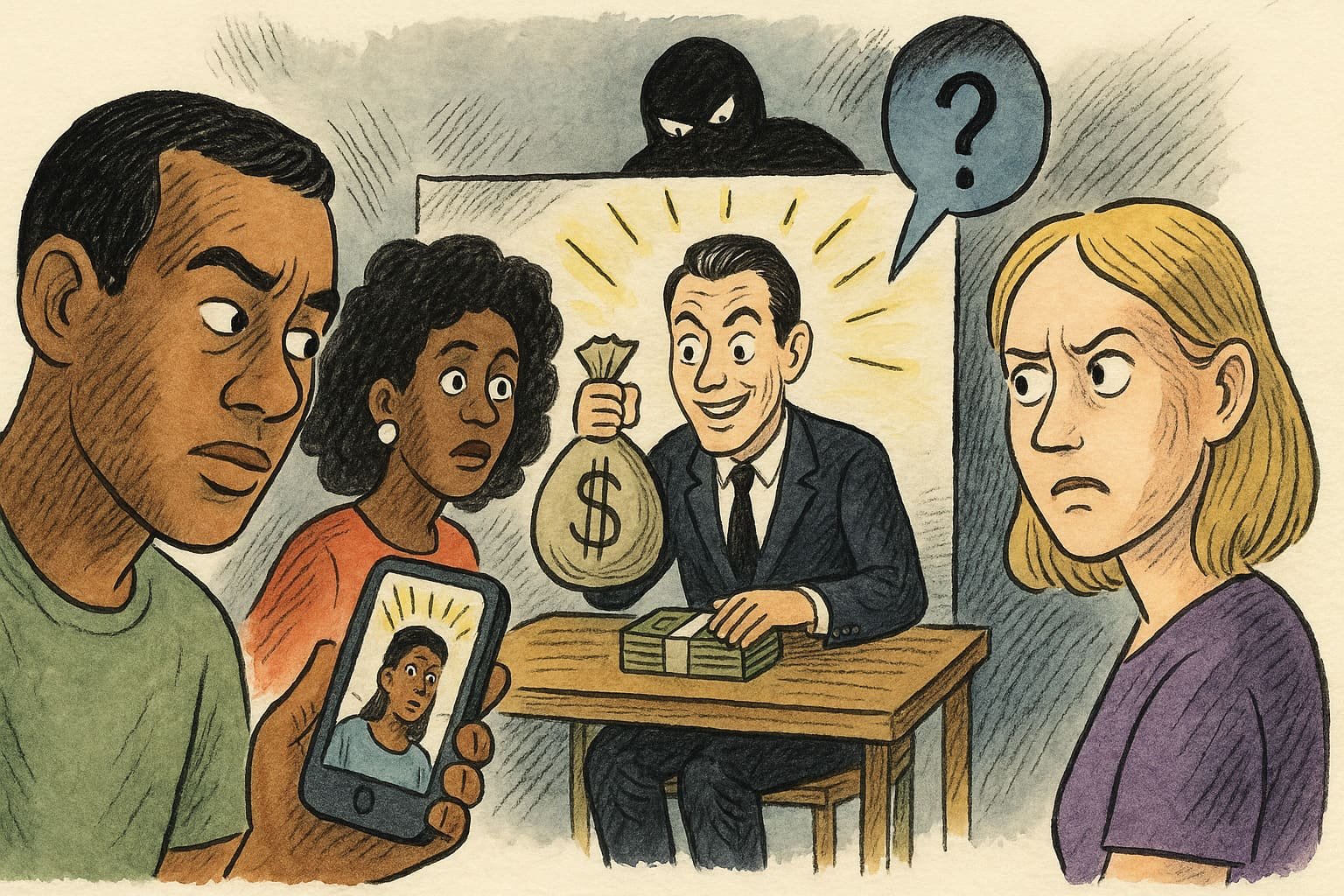
Picture yourself at midnight, eyes glued to your phone as a 22-year-old in a Miami penthouse whispers, “This one investment made me a millionaire want in?” The next second, your thumb hovers over the “subscribe” button. Deep down, you know something’s off, but you crave that secret sauce. What if the person promising to unlock your financial freedom is really a wolf in influencer clothing? The digital age gave us “finfluencers”; online money gurus with thousands, sometimes millions, hanging on every post. But do they deliver real value, or are they the 21st-century snake oil salesmen? The stakes couldn’t be higher: it’s your savings, your dreams, and your trust on the line.
Money advice has never traveled faster, hit harder, or spun wilder. The internet is now a financial battlefield where knowledge can transform your destiny or burn you in a nanosecond. Are these self-styled experts really guiding people to prosperity, or are we pawns in an elaborate game of clicks and commissions? This isn’t just about good or bad advice; it’s a seismic shift in how we learn, believe, and risk everything for a shot at financial freedom.
What if we’re worshipping false idols and what if exposing the truth could save your wallet, your sanity, and your future?
Quick Notes
1. The Influencer Gold Rush: Finfluencers have turned money advice into viral entertainment, captivating millions but blending education and marketing often creates dangerous grey zones.
2. Gurus or Grifters? Not every money influencer is a fraud, but the line between genuine expertise and hype is blurry. Many play with facts, push high-risk ideas, or profit from your trust.
3. Real Lives, Real Losses: Viral case studies reveal lives transformed and sometimes ruined by following online gurus. For every rags-to-riches story, there’s a cautionary tale of dreams destroyed.
4. Philosophy of Trust: We trust finfluencers because they promise certainty in a chaotic world. But are we chasing answers, or just trying to escape our fears about money?
5. The Mindset Shift: Your financial destiny can’t be outsourced to TikTok or YouTube. True wealth is built on critical thinking, self-education, and the courage to question every “shortcut.”
The Money Hype Machine: Why Finfluencers Rule the Digital Jungle
Money isn’t just numbers on a spreadsheet; it’s emotion, hope, fear, and social status. Finfluencers have weaponized all four, turning simple advice into must-watch drama. Open Instagram or TikTok, and you’ll see Lamborghinis, “passive income” hacks, and quick-fix investment tips wrapped in neon graphics. Social media thrives on spectacle, and finance is suddenly the ultimate entertainment; every post a lottery ticket, every story a hero’s journey.
People crave financial certainty. When the world feels unstable, a confident voice promising shortcuts can sound like gospel. The pandemic era turbocharged this hunger: layoffs, lost savings, and a market in chaos created a desperate search for new hope. Enter the influencer; part entertainer, part messiah, all spectacle. They promise not just advice, but a new identity: join my tribe, learn my secrets, and you’ll never fear money again.
Beneath the surface, there’s a gold rush for attention. Likes, shares, and affiliate commissions drive the “advice” you see. The incentive? The louder you shout, the richer you become; no credentials required. Platforms reward virality over accuracy, creating a feedback loop that turns risky tips into overnight trends. Suddenly, untested “strategies” go global before the ink dries.
Real people pay the price. A teacher from Atlanta followed a viral options-trading TikTok and lost a year’s salary in weeks. Meanwhile, the creator banked six figures in sponsorships. The influencer’s risk? A deleted video and a new username. The follower’s risk? Financial ruin, shame, and a broken sense of trust. For every glamorous win, there are silent casualties.
Philosophically, the rise of finfluencers is a mirror: we want easy answers in a world that’s messier than ever. We’re outsourcing our anxieties to charismatic strangers, hoping for magic solutions instead of wrestling with hard questions. Is this empowerment or the ultimate illusion?
Masked or Mentors? The Blurred Line Between Genius and Grifter
Are finfluencers sages or swindlers? The answer is complicated. Many started as passionate educators, eager to share hard-won lessons from their own financial journeys. Some, like Tori Dunlap (Her First $100K), built communities focused on literacy, equality, and real talk. Others, however, discovered that the real jackpot wasn’t in stock picks; it was in selling dreams.
There’s no certification for “financial influencer.” Anyone with Wi-Fi and a ring light can call themselves an expert. The internet rewards charisma and controversy, not diligence or nuance. Platforms like YouTube and Instagram thrive on bold promises: “Double your money in 30 days!” or “Quit your job with this passive income secret!” When advice veers from responsible to reckless, it’s often hard for viewers to spot the switch.
Mini-case study: Alex, a college student, followed a viral crypto influencer and invested in a coin hyped as the “next Bitcoin.” When it crashed, Alex lost everything. The influencer? He moved on to the next big thing, leaving thousands like Alex picking up the pieces. It’s the Wild West with prettier graphics and the law is always a step behind.
Some “experts” don’t just exaggerate they outright fabricate. Faked screenshots, edited account balances, and staged testimonials are common. The problem is trust: viewers assume authenticity because the persona “feels real.” Scams become seductive, dressed up as aspirational lifestyles. The system isn’t just flawed; it’s rigged to reward those who play loose with the truth.
The blurring of lines isn’t accidental. It’s engineered by algorithms, PR firms, and influencer agencies all chasing the next viral payday. Consumers get lost in the noise, unsure who to trust and who to fear. If even Wall Street pros struggle with market prediction, what hope do the rest of us have in separating the visionary from the villain?
Case Studies: Dreams Built and Broken by Internet Gurus
Stories move us in ways facts can’t. Every finfluencer has a portfolio of testimonials; glowing reviews from those who “made it.” But for every viral success, there’s an unseen underbelly of regret. The drama is never just about money; it’s about self-worth, family, and dreams.
Take Mia, a nurse in Texas, who followed a well-known YouTube side hustle channel. She invested hours and her life savings in dropshipping. At first, the promise of “be your own boss” felt like liberation. The videos made it seem inevitable. But reality bit hard: fees mounted, sales dried up, and Mia wound up deeper in debt than when she started. The influencer moved on to the next trending topic.
Not every story is tragedy. David, a bartender in London, found hope in a budgeting influencer who preached slow, steady growth. By tracking spending and building emergency savings, David turned his life around. For him, the right influencer became a lifeline not because of flashy tricks, but due to consistent, grounded advice.
Yet even good intentions can go sideways. Jessica, a single mom, tried “day trading” after watching dozens of polished TikToks. She lost her savings within months. The emotional cost was even higher: shame, guilt, and a sense that she’d failed her family. The influencers? No apologies, just more sponsored content and merchandise.
Trust is hard to rebuild. Some followers become so jaded they tune out all advice, leaving them isolated and cynical. Others double down, falling into even riskier schemes, always chasing the next big win. The cycle is brutal: hope, hype, crash, repeat.
What emerges is a new kind of cautionary tale. Money, once the domain of trusted advisors, is now mediated by strangers on the internet. The stakes? Nothing less than your future and the stories we tell ourselves about what it means to succeed.
Trust, Temptation, and the Philosophy of Financial Faith
Why do we believe? It’s not just about the numbers; it’s about psychology. Humans are wired to seek certainty and community. Finfluencers offer both: they provide clear answers in a confusing world and a tribe that cheers you on. The pull is magnetic.
Trusting strangers with your savings sounds irrational, but it’s not new. In ancient markets, people listened to the loudest traders. In today’s world, the arena has moved online, but the human hunger for belonging and authority is the same. We gravitate toward those who “feel” successful, even if their credentials are built on sand.
Philosophers have long warned about false prophets. Maslow’s hierarchy tells us financial security is a basic need when that’s threatened, we’ll do anything to get it back. Finfluencers exploit this vulnerability, selling not just advice but hope, identity, and belonging. It’s a new kind of faith, born in the church of algorithms.
This dynamic creates moral hazards. Influencers profit when followers believe regardless of whether the advice works. There’s little accountability, and the fallout from failed tips is rarely addressed. The question isn’t just “Is this good advice?” but “Why do we trust it?” We’re not only buying a strategy; we’re investing in a worldview.
What’s the way out? Critical thinking. Healthy skepticism. The courage to ask hard questions and resist the seductive pull of certainty. Financial health isn’t built on shortcuts; it grows from self-awareness, education, and the discipline to challenge your own biases. That’s the real path to lasting wealth; no subscription required.
Reclaiming Your Wallet: The New Path to Financial Truth
The final twist: you, not any influencer, are the hero of your money story. The real danger isn’t “bad advice”; it’s giving away your agency. No viral video or clever meme will ever know your dreams, your pain, your edge. Finfluencers are the fireworks; you’re the architect.
Transformation begins with ownership. When you take back your story, gurus lose their power. Build your knowledge with trusted sources: books, licensed advisors, and real communities. When you hit a wall, ask for help but question every shortcut. That’s where growth happens.
Action beats anxiety. Small, consistent habits trump big promises every time. Ask yourself, “If this is so easy, why isn’t everyone rich?” Use that as a filter. Put new ideas through the lens of your own life, not someone else’s highlight reel. True financial independence comes from rejecting one-size-fits-all hacks.
Real-life example: Dante, a single dad in Sydney, used to obsess over investment TikToks. It left him anxious and scattered. He shifted focus, started reading one trusted book each month, and worked with a community center financial coach. His net worth grew slowly but steadily and so did his confidence. Dante’s journey wasn’t flashy, but it was real.
Philosophy circles back: in a world of noise, your most valuable asset is discernment. You don’t have to be a financial genius just someone who values truth over trends. That’s the only shortcut that lasts. So ask yourself: are you following someone else’s story, or finally writing your own?
Are You the Mark, or the Mastermind?
Money advice will always be seductive, especially when it comes wrapped in viral videos, envy-inducing cars, and rags-to-riches testimonials. But here’s the mind-bending truth: the only real “secret” is you. The gurus, grifters, and digital magicians all vanish the moment you reclaim your agency. Every click, like, and follow is a vote for what you believe about wealth, trust, and freedom.
It’s not wrong to seek inspiration online. The world is full of genuine mentors and bold thinkers. But the digital Wild West rewards showmanship, not substance. Question every promise. Seek your own proof. If something feels too good to be true, it almost always is. Remember, your story isn’t written in someone else’s comment section.
The transformation isn’t in the influencer’s next hack; it’s in your courage to question, your willingness to learn, and your refusal to hand your dreams to a stranger with a selfie stick. You’re the mastermind, not the mark. Now, what will you build with the truth you just uncovered?
Reflective Challenge: What’s the boldest step you can take today to own your financial story no hashtags required?
Partnered. Provocative. Worth Your Scroll.
This is a Promoted Post by ESYRITE—yes, it’s paid, but never filtered. Our voice stays raw, real, and razor-sharp. We team up with bold ideas, game-changers, and stories that spark something real. If it’s here, it earned its place—no fluff, just impact. We don’t just promote—we provoke. Stay sharp. Dive deeper.
