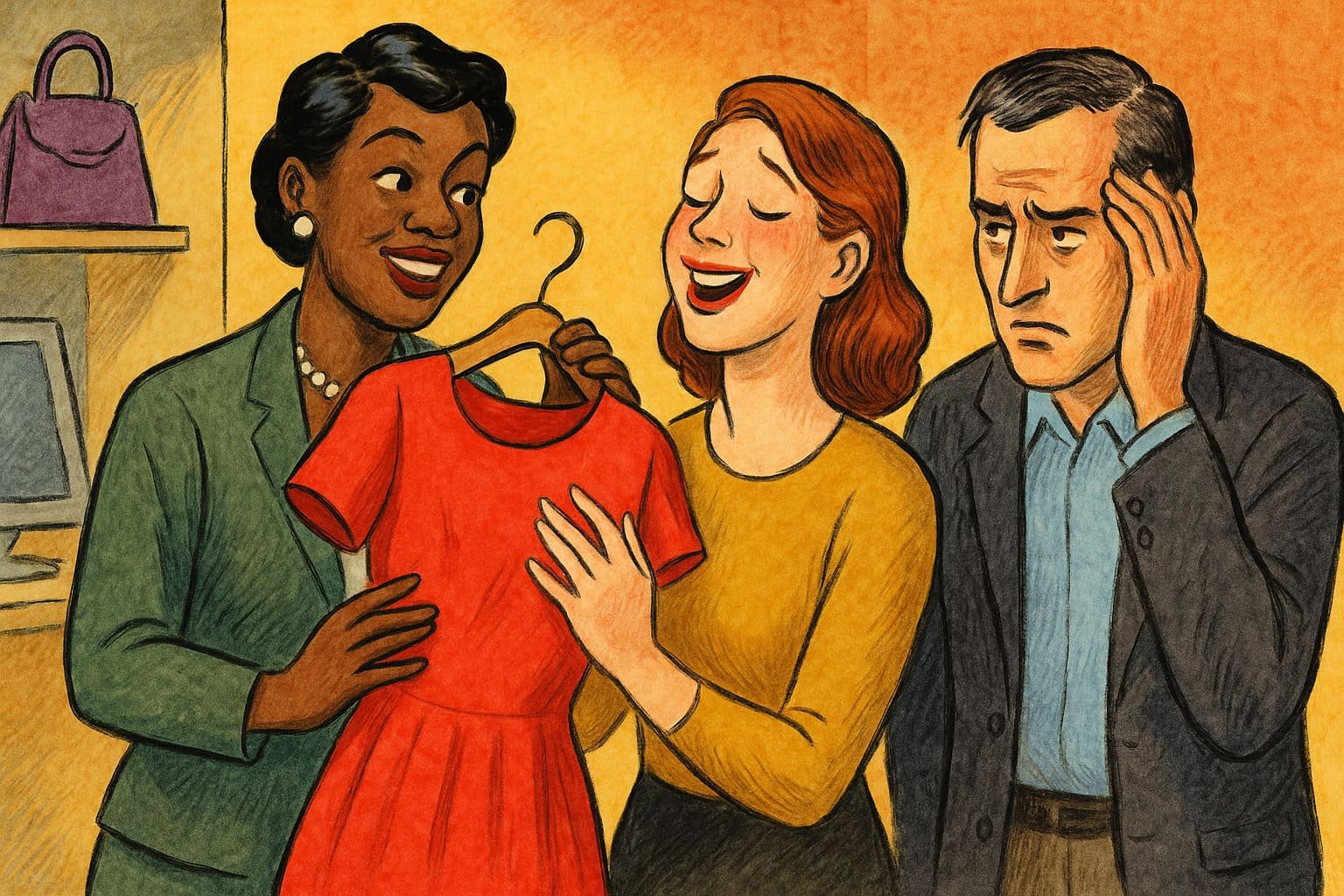
Neon reflections ripple across a rain-soaked pavement outside a flagship store, where a line snakes around the block before dawn. The crowd pulses with anticipation, each person cradling a phone that’s already more powerful than the last. At the front, a young marketer with anxious eyes grips a steaming cup, practicing the pitch that could land the next viral campaign. The window behind her glows with a promise: “Feel Something New.” This isn’t about features, specs, or logic. This is the new coliseum, where emotion trumps reason and spectacle trounces substance.
Somewhere inside, a CEO watches the spectacle with a smile. The battle for the consumer’s soul isn’t fought in spreadsheets or specs, but in the heart’s twitch when music swells or nostalgia bites. Even the scent wafting from inside is weaponized: cinnamon, a gentle trick of memory, a calculated embrace. Nearby, a TikTok creator spins an experience into a viral story, her laughter echoing through millions of feeds. The product? Almost irrelevant. The moment? Priceless.
A founder once shared, “People remember not what you built, but how you made them feel.” This sentiment ripples through every industry, from the stadium roar at a game to the hush of anticipation before a product reveal. Whether in Silicon Valley boardrooms or crowded Lagos markets, the playbook has changed. The world is no longer obsessed with the rational; it craves sensation, connection, transformation.
A decade ago, consultants hawked logic, efficiency, and features. Today, the true prophets of profit trade in awe, joy, and tears. The “experience economy” isn’t a buzzword. It’s a silent revolution. Where cold logic once held sway, now warmth, wonder, and story set the rules.
Marketers and makers find themselves learning a new language. Authenticity is currency. Vulnerability wins trust. Memory beats price. Every viral hit, every surprise, every delightful unboxing ritual is a new verse in the gospel of experience. It’s as if the whole world has agreed to meet in a vast, invisible theater—where the only ticket that matters is a beating heart.
Quick Notes
- Emotion Eats Logic for Breakfast: Sensory hooks, not specs, ignite sales. Think of the last brand you loved: it didn’t win your heart with a PowerPoint.
- Memory Over Matter: You’ll forget the features, but the rush of anticipation before an Apple keynote or a Supreme drop stays with you. Humans are wired for story, not spreadsheets.
- Micro-Moments Make Millions: One barista’s smile or a playful email subject line can spark a cascade of loyalty. Every touchpoint is a battleground for emotional connection.
- Status Is Staged, But Belonging Is Real: Cool kids no longer chase products, they chase experiences. The new luxury is being part of something worth sharing.
- Transformation Sells Harder Than Tech: The story you buy is the story you become. No one wants a gadget; they want to be someone new, even for a second.
Why Facts Fail: The Silent War Between Heart and Head
It’s tempting to believe people act rationally, especially in business. Yet the truth unfolds in checkout lines and social feeds every day: emotions tip the scale long before reason enters the room. Research reveals shoppers often justify purchases after the fact, weaving logic around gut decisions made in the heat of a moment. The logic-first sales pitch, once dominant in B2B and consumer tech, crumbles when pitted against surprise, delight, and even fear. When a company like Peloton boomed, it wasn’t spinning the best engineering story; it was selling transformation, social proof, and endorphin highs.
One fictional founder, Priya Kaur, turned a languishing SaaS startup around by ditching analytics-heavy demos. She staged immersive onboarding webinars, with live music and surprise customer shoutouts. “The data didn’t close deals. The feeling of belonging did,” she explained in a candid interview. Afterward, users swarmed social channels with stories—not stats—fueling organic growth. Logic whispered, but emotion sang.
Why does this happen? Neuroscience finds that every decision fires first in the emotional brain, with rationalization chasing behind. Apple’s “1984” ad didn’t focus on processor speeds. It told a story of rebellion and identity. Elon Musk didn’t sell Tesla with torque specs; he sold hope, anxiety, and status. In the end, logic is the thin paper wrapping for a gift we desperately want to feel.
Brands that cling to facts alone find themselves shouting in an empty room. The experience economy rewards those who stage a spectacle, create rituals, or invite vulnerability. A tech gadget becomes a badge of identity. A simple meal turns into an Instagrammable event. Every touchpoint is now a chance to spark wonder or tap into nostalgia. As logic fades, memory and feeling stand tall.
Marketers and leaders must accept a hard truth: the most powerful products and services bypass the rational mind. They plug straight into the bloodstream of culture, using emotion as both fuel and magnet. The question isn’t whether emotion matters—it’s whether you have the courage to bet on it.
Experience Is Everything: Welcome to the Era of Immersive Capitalism
Step inside any high-performing startup today, and you’ll notice the difference before a word is spoken. Furniture, lighting, even the playlist are chosen for mood. Employees talk about “energy,” “vibe,” and “belonging” as if they’re hard metrics. Teams engineer onboarding journeys with the precision once reserved for product development. The new economy isn’t about what you sell; it’s about the world you build around it.
A fictional team at FlowSpace, a co-working upstart, understood this early. Instead of selling desks, they staged sensory pop-ups: coffee tastings, silent discos, and TED-style meetups, all streamed live for remote members. One client, Jamie, landed her dream investor not in a pitch room, but during a late-night poetry slam hosted on the rooftop. “The space felt like my tribe,” she recalls, “not just a business expense.” Revenue doubled as word-of-mouth stories spread across LinkedIn and Instagram.
Experience isn’t just a luxury; it’s a survival strategy. Disney’s theme parks and Nike’s stores are laboratories of immersion. Every sense is engaged, every moment choreographed for impact. This principle is now found everywhere: SaaS platforms with surprise badges, airlines with birthday celebrations at 35,000 feet, banks running financial wellness retreats.
The best organizations now think like showrunners. They design not only the product, but the world it lives in. They build anticipation, invite play, and reward curiosity. Boring is dangerous. Ordinary is invisible. The true differentiator is not what people buy, but how you make them feel while buying it.
Companies that ignore this shift risk irrelevance. Experiences are the new currency. Shareability, belonging, and transformation replace value props and efficiency. In an era where attention is priceless, only the unforgettable survive.
Designing Desire: The Science and Art of Seduction in Business
Every color, sound, and scent in a brand’s universe is chosen for a reason. Human brains crave novelty and narrative; design turns those cravings into loyalty. The world’s top brands hire not just designers but neuroscientists and behavioral economists, all in service of creating sensation. It’s no accident that the sound of a Netflix intro or the snap of a Pringles can is instantly recognizable. Design isn’t decoration; it’s emotional engineering.
A story often told in agency circles involves a fictional creative director, Leo Tanaka, tasked with reviving a failing electronics brand. Instead of focusing on hardware, Leo staged citywide pop-ups where guests designed their own gadgets. The events featured live DJs, edible mist, and storytelling booths where attendees shared their “tech origin” stories. The product line became a sensation, not because of superior specs, but because customers felt seen, heard, and celebrated.
The secret lies in orchestrating sensory moments. Starbucks turned ordering coffee into a ritual, complete with personalized cups and a cozy soundscape. Spotify’s annual Wrapped campaigns transform user data into nostalgic journeys, making each listener the protagonist in a personal story. Airbnb lets hosts curate local experiences that touch all senses, turning a night’s stay into a memory.
Business now borrows from theater and psychology, weaving micro-moments of delight into every touchpoint. Loyalty is no longer a function of price, but of feeling. People return to brands that make them feel alive, understood, or even challenged. In a crowded market, logic fades; emotion lingers.
The design-driven economy rewards those who can orchestrate moments of meaning. Every startup, artist, and leader must now become a master of staging experience, not just solving problems. The path to loyalty runs through the senses.
Culture as Performance: Why Identity Wins in the Arena of Attention
Scroll through social media, and it’s clear: people aren’t just buying products, they’re buying a stage. Brands offer scripts for identity, costumes for status, even lines to say in public. Culture and commerce have fused, turning customers into actors in a play of meaning and aspiration. In this era, the story you help people tell about themselves is the product.
A fictional sneaker brand, PulseTheory, built a cult following without massive ad spend. Instead, they seeded exclusive “drop parties” in unexpected locations—abandoned subway stations, old gymnasiums, rooftops with a city view. Attendees left with shoes, but more importantly, stories and a new social circle. One young attendee, Ayana, found her tribe and a job at her dream design firm during a PulseTheory event. “They didn’t sell me sneakers. They handed me a new chapter in my life,” she later told a business magazine.
Brands become cultural signifiers. Patagonia’s “Don’t Buy This Jacket” campaign challenged consumerism and won hearts with vulnerability. Glossier handed creative control to its fans, letting them become brand storytellers. Nike’s “Just Do It” morphed from slogan to mantra, then to social movement.
The culture playbook has new rules. If you want to win, let your community co-create the script. Signal status through experience, not price. Make customers the protagonists of your story. When a brand becomes a passport to a new identity, price becomes irrelevant.
Culture-driven business is performance art. The best companies aren’t shouting at the crowd, but handing out invitations to dance on stage. In the economy of attention, only those who make meaning together last.
Entrepreneurship Rewired: From Problem Solving to Memory Making
Once, founders were lauded for solving hard problems. Now, the greatest entrepreneurs are memory makers. Their secret: transformation isn’t a feature, it’s a feeling. Today’s startup heroes measure success not in units shipped, but in Instagram stories, cult hashtags, and midnight text threads about their “first time” with a product.
Take the story of fictional founder Nora Solis, who launched a wellness app called “Pulse.” Instead of touting medical credentials, Pulse staged citywide “silent sunrise” events—thousands meditating as dawn broke, strangers linked by shared experience. For months after, users described not the features, but the goosebumps and connection they felt. Investors noticed. Journalists wrote about the phenomenon, not the codebase.
Business schools still teach logic, but the unicorns are teaching magic. Airbnb turns homes into stories. SoulCycle creates quasi-religious rituals around sweat and suffering. Lego doesn’t sell bricks; it sells dreams of creativity and family. The best entrepreneurs know: logic alone is brittle. Emotion is what endures.
Leaders who embrace this create companies that are never truly finished. They live and breathe through the experiences of their fans. They build not just for profit, but for legend. The winners are those who understand: people crave belonging, not just utility.
The playbook is shifting. The new entrepreneur doesn’t just solve problems—they choreograph transformation. They know the currency of the future is not attention, but memory.
The Heart Remembers, the Head Forgets
On a stage illuminated by the soft glow of city lights, a lone entrepreneur stands before an empty theater, echoes of applause fading into velvet shadows. She fingers a well-worn notebook, pages scrawled with dreams, heartbreaks, failed launches, and improbable wins. Around her, the air thrums with the memory of laughter, of awe, of the risk that turned strangers into believers. This is not a tale of logic, spreadsheets, or quarterly wins. This is the lingering perfume of a brand that dared to reach past the mind and seize the soul.
In a small coffee shop across town, a young customer sips a latte, eyes closed, replaying the thrill of a product launch she attended last year. Her memory is alive not with price tags or tech specs, but with the taste of salted caramel, the cheer of the crowd, the way her heart raced as confetti rained down. Experience lingers long after logic fades. The world remembers moments, not instructions.
A team gathers in a glass-walled office, debriefing a campaign that went viral—not for its clever messaging, but because a single vulnerable story cracked the armor of cynicism. Their competitor, obsessed with efficiency, missed the chance to matter. It’s not logic that fills the room. It’s the energy of shared triumph and new connection.
A founder walks home in the rain, city lights blurring through tired eyes, realizing every risk, every sleepless night, was about making people feel. Not smarter. Not richer. Just more alive. The city keeps pulsing. The theater never really empties. The final curtain falls not with a number, but with a shiver—a memory.
So ask yourself: If you vanished tomorrow, would people miss your product, or the feeling you gave them?
Partnered. Provocative. Worth Your Scroll.
This is a Promoted Post by ESYRITE—yes, it’s paid, but never filtered. Our voice stays raw, real, and razor-sharp. We team up with bold ideas, game-changers, and stories that spark something real. If it’s here, it earned its place—no fluff, just impact. We don’t just promote—we provoke. Stay sharp. Dive deeper.
