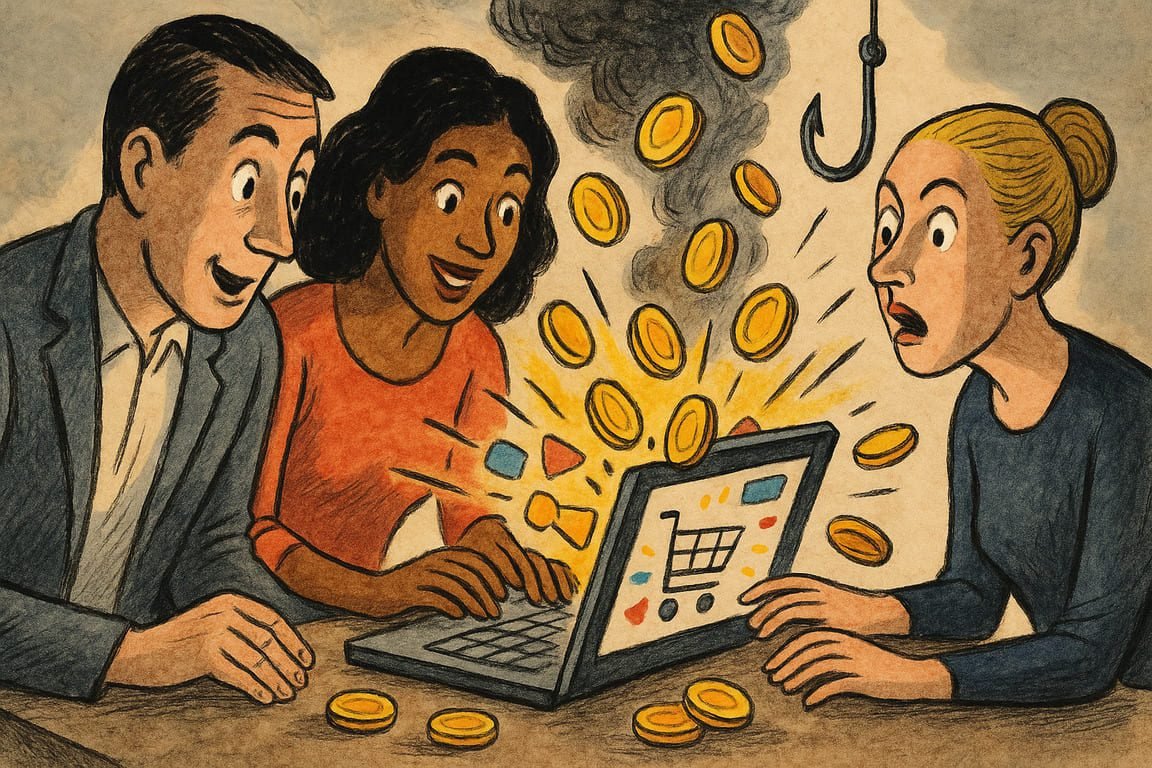
Spotlights flicker in an empty warehouse where old commerce once ruled. Cardboard boxes gather dust on cracked floors while, in another world, digital shopfronts shimmer with possibility. Behind every purchase, a pixel-perfect dance unfolds. Money flows to those who master visuals, those who turn static images into revenue engines. This is not the story of algorithms alone. It is the art of graphic seduction—a world where one product image can launch a thousand sales and a single hero banner can spark a shopping frenzy. In e-commerce, graphics no longer just decorate; they drive the explosion, unleashing riches for those who truly see.
The real power starts with the first impression. Online, a product’s photo must do the heavy lifting once managed by charming shopkeepers and lush displays. At Allura Bags, founder Jasmine transformed flat sales with a bold rebrand: crisp, close-up shots that made textures pop and colors sizzle. Her team added video spins and real hands holding every bag. The click-through rate doubled. People stopped scrolling and started imagining themselves inside the frame. It was design, not discounting, that unlocked profit.
Trust blooms in the details. Consumers are cautious, often skeptical, staring at a screen where everything can be faked. Sharp, consistent graphics with authentic lighting build a sense of honesty. Review images layered alongside product shots say, “Others have touched this, worn it, lived with it.” Etsy artisans like Benji Owens credit honest photography—scuffs and all—with turning browsers into loyal buyers. He once said, “No filter beats reality if you want someone to risk their money.” Authenticity sells.
Graphics must move, not just exist. Motion catches the eye, sparks curiosity, and showcases value. Brands like ASOS shifted to looping mini-videos and subtle hover animations for clothes, shoes, and accessories. Visitors get the closest digital version of picking up, turning, and even hearing the swish of fabric. Every movement answers silent objections, fueling that leap from cart to checkout.
Icons and infographics deliver clarity at breakneck speed. On mobile, attention is precious. Shoppers need information without friction. Clear, well-designed graphics cut confusion and nudge decisions. When Urban Sprout added illustrated shipping timelines and badge icons (“Eco-Packed,” “Ships Today”), abandoned carts dropped. Good design killed uncertainty and unlocked trust.
The psychology of color is a game few truly play to win. Flashy hues can repel as easily as attract. Leading e-commerce brands obsess over color testing. Red buttons might scream “Buy now,” but calming blues and greens can encourage thoughtfulness for high-ticket items. Candle company Lume saw sales spike when they swapped brash color pops for muted palettes and organic tones, reflecting their eco brand. Color is currency.
Social proof is visual. Tiles of happy customers, badges of “Bestseller,” and dynamic review graphics provide instant reassurance. This is not vanity—it is persuasion. At SnugglePup, founder Jamie Lee used customer collage banners and Instagram reels to show real pets enjoying their products. The emotional pull of seeing a hundred wagging tails proved irresistible. Sometimes the richest graphics are not made by designers, but by the customers themselves.
Mobile-first design is now survival, not strategy. Thumbs are impatient, screens are tiny, and visuals must load instantly. Designers at Flipkart overhauled their mobile experience with bold icons, easy-to-tap carousels, and lightning-fast image compression. The team reported more time spent browsing and higher order values, showing that mobile graphics are the new cash register.
Seasonal graphics spark FOMO and urgency. Temporary color schemes, special banners, and animated countdowns push users to act. Gifting platform JoyJar doubled holiday conversions with playful snow overlays and animated bows, proving the human brain cannot resist novelty. Every update brings a new excuse to visit—and buy.
Storytelling is where graphics become an experience, not a transaction. At Northbound Coffee, founder Greg Alvarez weaves seasonal stories into every visual asset: misty mountain shots, farmer portraits, and animated brewing rituals. Shoppers click to buy beans, but stay to join a journey. Great visuals turn products into chapters in a lifestyle narrative.
The ultimate riches flow from testing and learning. Every brand above wins by constantly analyzing what hooks attention and drives action. Shopify entrepreneurs like Priya Nair run split tests weekly, swapping banner styles, thumbnail shapes, and icon sets. “Design is never finished,” Priya shares, “it’s a constant treasure hunt.” For those who experiment, every graphic holds the promise of more.
Late at night, shop windows flicker on screens across the globe. Someone clicks, mesmerized by a single image. The riches move silently, from one wallet to another, guided by a designer’s unseen hand. In that flash, a new empire grows, built not on warehouses or warehouses, but on pixels and vision.
Your next fortune could be one graphic away. Are you just scrolling, or are you secretly shopping for your future?
