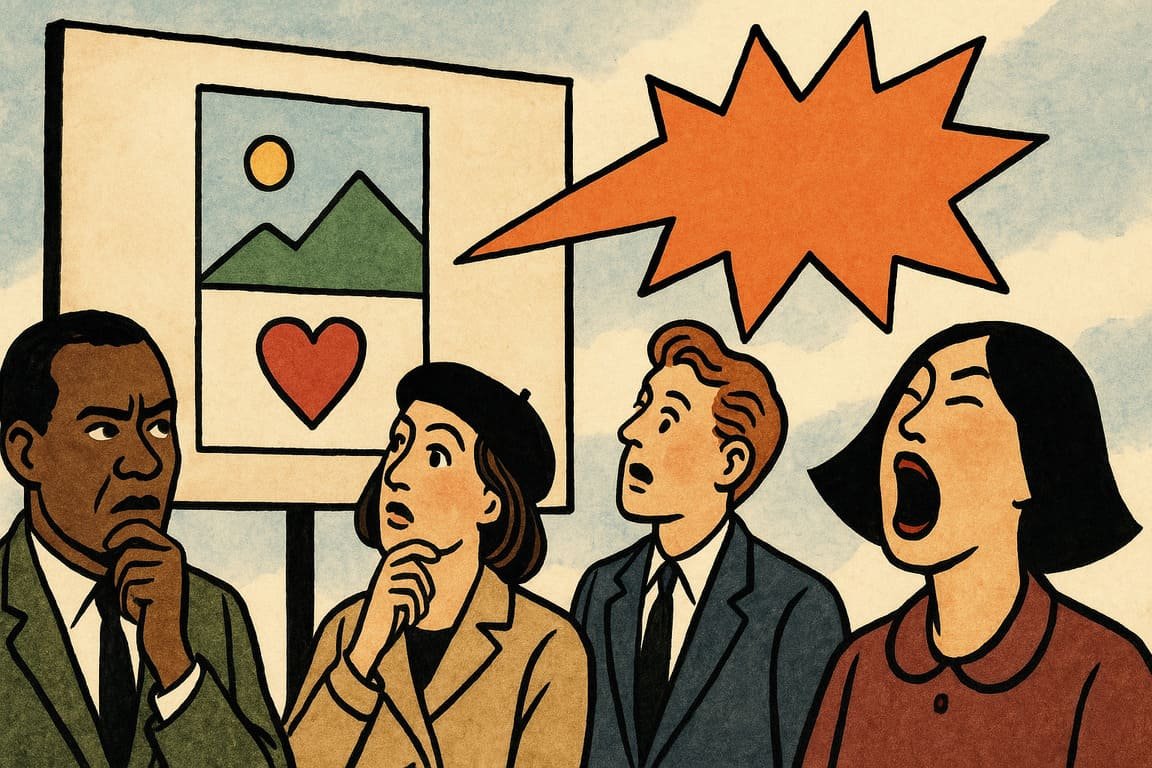
A city glows under a gentle dusk, glass towers reflecting a silent language in every sign, poster, and digital ad. The streets pulse with stories told in colors, shapes, and subtle movements. High above the noise, a creative studio’s lights burn late into the night. A designer, pen in hand, sketches an image that will never feature in a headline but will become the brand’s soul. With each careful line, the room fills with purpose. This is design at its most honest: values smuggled quietly into visuals that, over time, turn companies into causes and customers into believers.
A local bank, once ignored, swaps its cold, corporate blue for warm greens and introduces hand-drawn illustrations showing families growing together. Suddenly, its campaign connects with first-time homebuyers, who feel seen rather than sold to. The design never says “trust us”—it simply radiates reliability, comfort, and ambition. People respond with their wallets, but more importantly, with their stories. A mother opens her first savings account and tells her friends, “It just felt right.” The lesson: when values flow through design, brands don’t have to shout. They are heard in the quietest details.
You’re walking through a food market and pause by a vendor with eco-friendly packaging, each box stamped with playful wildlife sketches and a subtle earth-tone palette. There are no “green” buzzwords, no loud declarations. Yet every customer, holding that box, feels like a participant in something bigger. Research from brand psychologists backs this up: people are more likely to act on what they feel rather than what they’re told. Visuals are the voice of those feelings, making values visible and irresistible.
Design that channels real values forges loyalty, not just sales. A Ghanaian clothing brand explodes onto the global scene by weaving ancestral patterns into contemporary streetwear, sharing its story through every tag and stitch. Buyers don’t just wear the clothes—they wear the values of heritage, pride, and progress. The founder, Nana Osei, often says, “Our designs are quiet conversations. Every piece is a reminder of where we come from, and where we’re going.”
Brands that use design to signal values don’t chase trends. They set them. A coffee shop in Cape Town, once struggling, began featuring portraits of local activists in its art and on cups. Sales grew slowly, but customer relationships deepened, turning casual visitors into regulars and sparking real community. It wasn’t just about caffeine. It was about belonging, mission, and reflection in every detail.
You start noticing these patterns everywhere. Minimalist design often signals purity and focus. Maximalist, collage-like graphics radiate creativity and boundary-pushing spirit. Subtle, consistent branding whispers stability, while bold, unpredictable visuals shout transformation. The best brands choose intentionally, knowing that every visual decision adds another layer to their public promise.
The digital world amplifies this effect. A meditation app’s serene pastels and flowing lines whisper calm in a sea of chaos. In contrast, a challenger bank uses neon lightning bolts and kinetic typography to yell “revolution” at every tap. Both strategies work because they are honest. The strongest design values match the mission, not the market’s mood.
Sometimes the impact of visual values is life-changing. A mental health nonprofit redesigned its entire brand around soft, nurturing imagery and hand-written typography. Engagement on their website and helpline tripled. Survivors began sharing their own art and stories, drawn to the feeling of safety and understanding radiating from every pixel. The creative director, Laila Siddiqui, explains, “Design let us meet people where words failed.”
In business, the greatest risk is to pretend. Audiences sense dissonance. A fast fashion brand launches a “sustainable” line wrapped in plastic and loses credibility overnight. But a competitor’s consistent eco-visuals—uncoated paper, imperfect type, earthy colors—earn trust without a single slogan. The difference isn’t budget, it’s belief.
Design values don’t have to be somber. Some brands build playful identities to champion joy, curiosity, or rebellion. A streetwear startup once handed out stickers with cheeky doodles and unexpected mantras. Within months, its logo was everywhere, not because of clever marketing, but because the brand invited people to live the value—boldness—out loud.
What’s true for giants is true for startups: visuals don’t just decorate, they direct. They teach teams, reassure investors, and attract the customers who stick around when the buzz fades. As society shifts, design values adapt, making sure brands remain human in a world speeding toward the abstract.
As night cloaks the city, light seeps from the studio windows, illuminating sketches pinned to the wall. Each one whispers something lasting: kindness, rebellion, hope, unity. These visuals echo through neighborhoods and newsfeeds, quietly shaping how people see themselves and what they choose to join.
You cradle a product or tap a screen, searching for proof that brands can still mean something true. If the visuals align with your values, you don’t need the loudest voice. You’ll listen to the quietest one, and follow it all the way home.
Partnered. Provocative. Worth Your Scroll.
This is a Promoted Post by ESYRITE—yes, it’s paid, but never filtered. Our voice stays raw, real, and razor-sharp. We team up with bold ideas, game-changers, and stories that spark something real. If it’s here, it earned its place—no fluff, just impact. We don’t just promote—we provoke. Stay sharp. Dive deeper.
