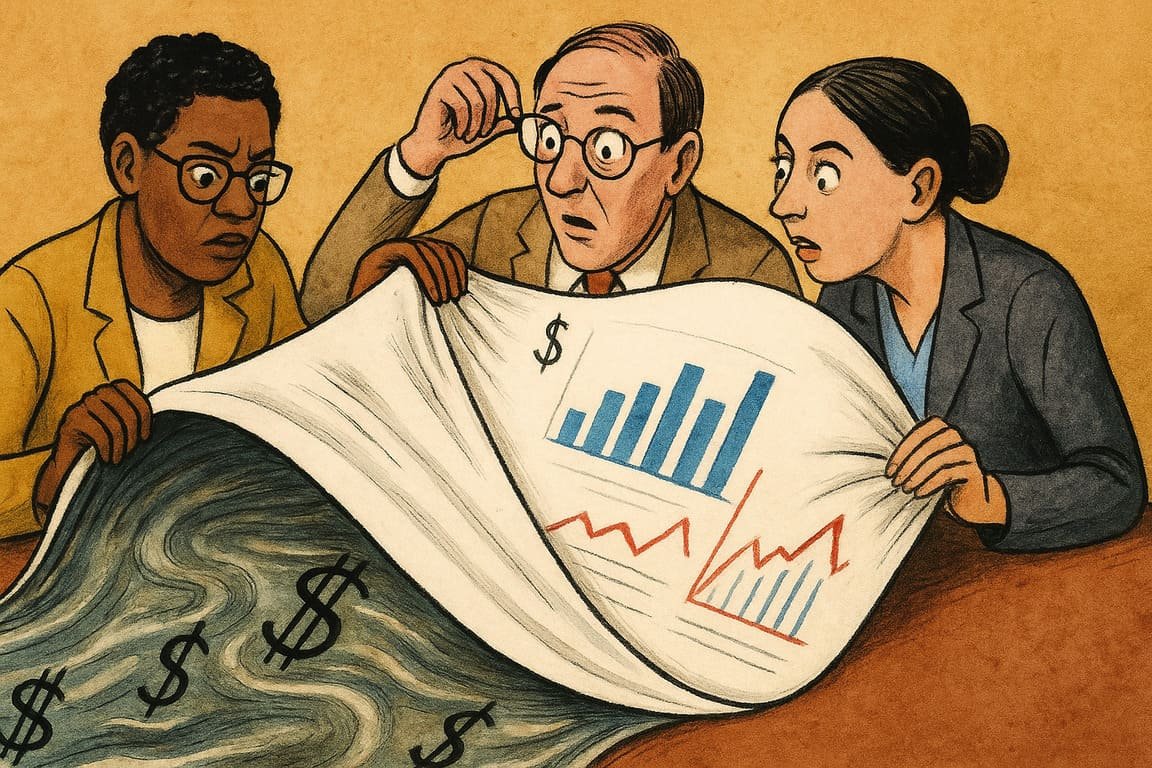
Underneath the sharp light of a city accountant’s office, the gentle whir of printers and the soft tap of keyboards set the rhythm of the day. A wall-sized screen displays multicolored graphs, streams of transactions, and pulsing notifications that look like the city’s heartbeat digitized. In the corner, an accountant named Elias adjusts his glasses, watching as the numbers swirl and settle—revealing a story invisible to the untrained eye. In this world, cash flow is more than a ledger. It’s a living stream, twisting through the veins of the company, sometimes steady and bright, sometimes threatening to vanish without warning. Everything here feels balanced on a knife-edge. One missed detail and the current shifts, pulling dreams and paychecks out to sea. But with intelligent accounting systems, the tide can finally be read, predicted, even tamed.
Smart technology has transformed financial management from a guessing game into an art of precision. Where once mountains of paperwork and late-night calculations haunted every business owner, now dashboards offer instant clarity and warnings arrive before disaster strikes. You see this shift in the journey of an up-and-coming Nairobi café, Java Link, where the founder, Mercy, faced cash shortfalls every month. When she adopted a real-time accounting system, sudden dips in revenue became visible days ahead. Mercy’s daily routine changed forever: instead of scrambling to cover rent, she could negotiate with suppliers or launch a promotion in time to stay afloat. Her story repeats in every city—technology turning chaos into control.
For you, every transaction holds meaning. An intelligent accounting system pulls data from sales, payroll, suppliers, and expenses, weaving them together into patterns that reveal the truth. No more relying on gut instinct or waiting for quarterly reports. You see trends develop as they happen. It’s empowering—like flipping on the lights in a room you never realized was filled with tripwires. Whether you’re running a chain of retail shops or a freelance design studio, the same principle holds: real clarity means better decisions, fewer sleepless nights, and new confidence.
Yet, the human element remains at the center of every number. Smart software only amplifies your wisdom; it never replaces it. Elias once noticed a spike in supply costs on a holiday weekend, traced to a single vendor mistake. His system flagged it instantly, but it was his eye for detail that caught the pattern. The best results come when human experience and digital intelligence work together, not in competition. That’s the secret behind every turnaround story, whether it’s a family-owned market rebounding from fraud or a multinational learning to spot slow leaks before they become floods.
The new wave of accounting isn’t just about catching mistakes—it’s about building a future. When cash flow is visible in real time, ambitious projects become possible. Imagine a manufacturing startup that can predict its funding gaps six months out, securing credit before crisis hits. Or a charitable foundation that instantly sees where donations lag, so it can rally supporters with a compelling message. Every sector benefits from this clarity, but the biggest winners are those who use their newfound vision to act boldly, not cautiously.
Some still resist the digital shift, clinging to paper ledgers and worn calculators. But the gap grows wider every day. The story of Elias’s former colleague, who lost a client’s trust after missing a critical invoice, is a cautionary tale told quietly in break rooms everywhere. Legacy methods can’t keep up with the pace of change. In a world where fortunes shift overnight, the cost of hesitation is steep. For every business lost, a rival who embraced tech gains ground.
You sense the deeper psychological shift as well. When cash flow becomes transparent, anxiety loses its grip. Employees see paychecks arrive on time, suppliers trust promises, and owners sleep easier. It’s not just a matter of profit, but peace of mind. A tech-enabled accounting team in Mombasa described it best: “When you know where the money’s coming from and where it’s going, you get to dream again.” Clarity in finances ripples out—fueling innovation, loyalty, and even courage.
The influence of intelligent accounting goes beyond the back office. Investors and partners notice when a business can forecast with confidence and react without panic. In competitive markets, this becomes a secret weapon. One fast-growing restaurant group in Nairobi won new investors simply by sharing its live financial dashboards, earning a reputation for transparency and foresight. Smart systems aren’t just about bookkeeping—they’re about building trust.
True transformation comes when every layer of the business uses these insights to work smarter. Marketers can spot slow sales and react in real time. Operations teams reroute resources when an expense spikes. Even the CEO can look at a single screen and make choices that might have taken weeks of analysis before. In the digital age, speed and accuracy aren’t optional. They are the currency of survival.
At sunset, the last of the spreadsheets closes and the office empties, but the gentle glow of the dashboard lingers on the wall. Elias stands alone, tracing the flow of colored lines that mark the company’s progress—each peak a triumph, each valley a warning heeded in time. Beyond the windows, the city’s lights flicker to life, echoing the patterns on his screen. In that quiet, a question hangs: will you trust your gut, or let clarity guide your hand? The real game is not in the numbers, but in the courage to use them.
Partnered. Provocative. Worth Your Scroll.
This is a Promoted Post by ESYRITE—yes, it’s paid, but never filtered. Our voice stays raw, real, and razor-sharp. We team up with bold ideas, game-changers, and stories that spark something real. If it’s here, it earned its place—no fluff, just impact. We don’t just promote—we provoke. Stay sharp. Dive deeper.
