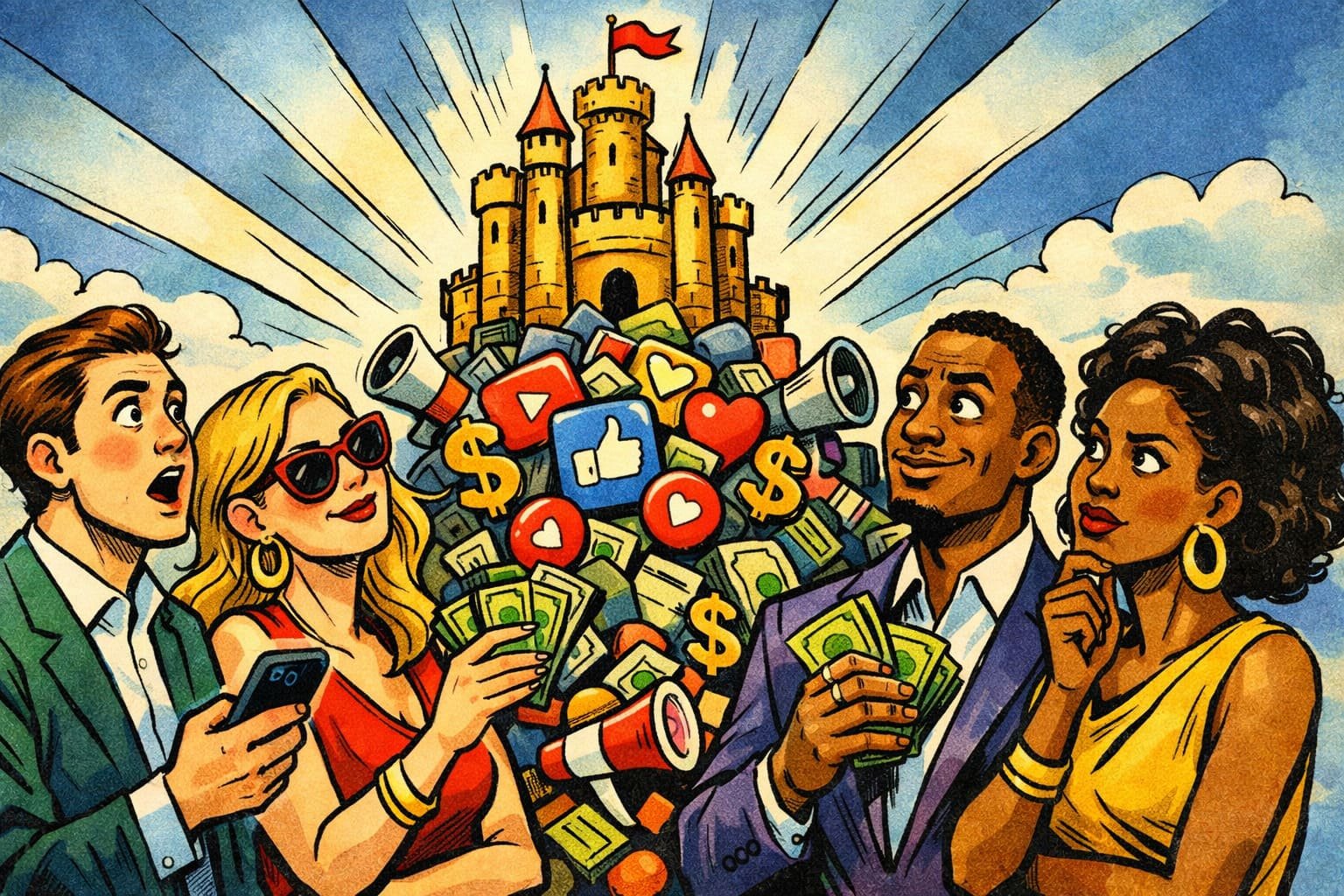
Curtains trembled before an audience had even taken their seats. Backstage, actors whispered lines nobody outside would ever hear, yet every heartbeat already belonged to whoever controlled anticipation rather than applause. Modern brands compete inside that invisible theater every hour. Products still matter. Price still matters. Neither explains why strangers willingly queue overnight for one logo while ignoring another offering nearly identical features. Attention has quietly become commerce’s rarest currency, purchasing influence long before money changes hands.
Executives often describe branding as visual identity, advertising, or memorable slogans. Those pieces matter, although none sits at the center of lasting power. Strong brands earn repeated attention until familiarity transforms into confidence. Confidence becomes preference. Preference slowly becomes habit. Nike built far more than footwear because every campaign reinforced an emotional story about possibility instead of discussing fabric or stitching. Patagonia accomplished a similar feat by turning environmental commitment into identity, allowing customers to feel participation rather than consumption.
Camila inherited marketing responsibility for a struggling family coffee roaster surrounded by global competitors. Friends urged louder advertising and deeper discounts. She chose another route. Farmers appeared inside short documentaries explaining harvest rituals, weather setbacks, and community traditions. Customers remembered faces before flavors. Cafés requested partnerships because conversations about people traveled further than conversations about beans, proving that emotional attention compounds long after promotional excitement fades.
Entertainment industries understand this instinct almost instinctively. Marvel spent years building interconnected characters before expecting audiences to embrace ambitious crossover stories. Every appearance strengthened another relationship. Businesses capable of sustaining attention behave similarly. Disney rarely sells individual attractions alone because each experience reinforces a broader narrative families already trust. Brand strength emerges when separate encounters begin feeling connected, creating familiarity that competitors cannot easily imitate through larger advertising budgets or temporary price reductions.
An old tailor in Lisbon displayed unfinished jackets inside his shop window rather than polished masterpieces. Passersby stopped more often than neighboring stores because curiosity invited conversation. One visitor laughed before stepping inside, asking why elegant clothing remained incomplete. Smiling gently, the tailor replied that people remember journeys more vividly than finished destinations. Remarkable brands embrace that philosophy. They reveal purpose gradually, encouraging audiences to invest emotionally before transactions ever begin.
Fireworks dissolved into drifting smoke while distant cheers faded beneath a darkening skyline. Brilliant flashes disappeared quickly, yet memories lingered because shared emotion outlived spectacle. Brand empires rarely emerge from relentless promotion alone. They rise through patient ownership of attention, trust, and meaning until ordinary purchases begin carrying personal significance. Before chasing another campaign, pause for one difficult question: are people remembering what you sell, or remembering who they become after choosing you?
