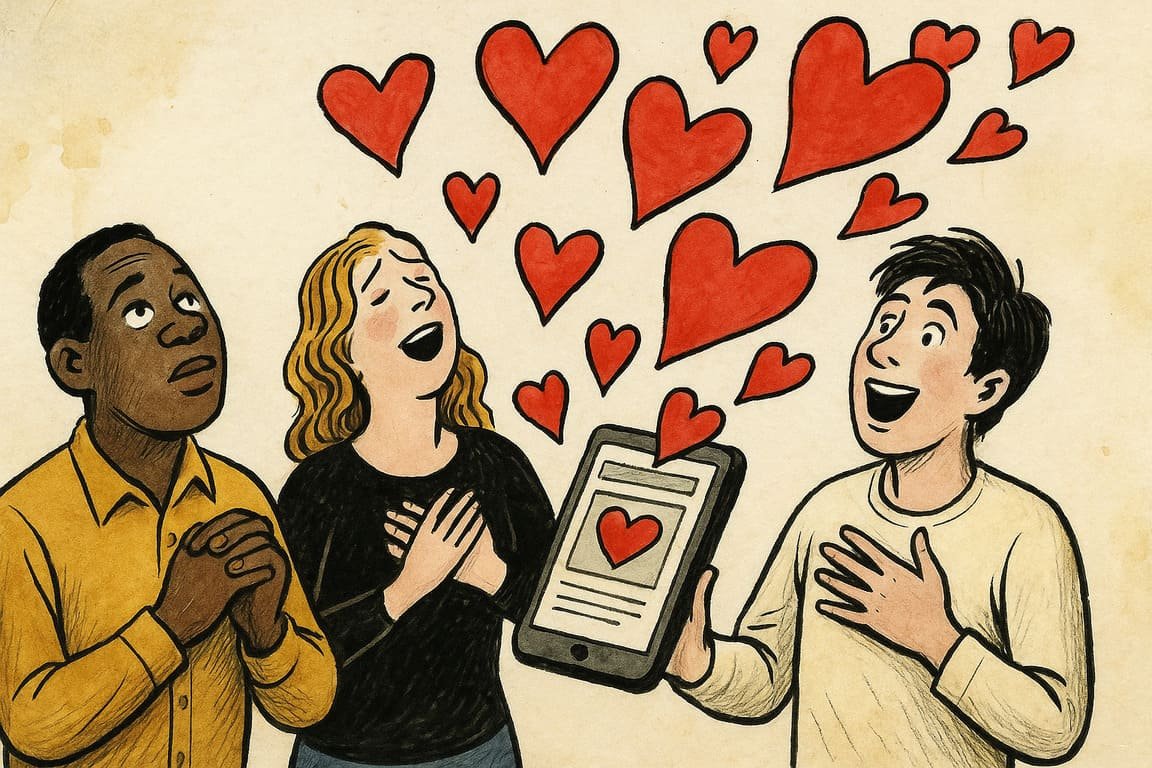
A midnight city pulses under flickering signs, but one window radiates a soft, magnetic glow. Inside, a small team crowds around a corkboard littered with sketches, color swatches, and torn magazine covers. Every face is intent, every movement charged with anticipation. On that board sits the first draft of a new brand—one destined to enchant, provoke, and stick like honey to memory. Across the city, strangers will soon be caught in its pull. They won’t understand at first, but their wallets and Instagram feeds will know before their brains catch up. This is design as spellcraft, branding as emotional heist, and love as the new business metric.
Someone in the room drops a story about a coffee startup that never ran an ad campaign, yet their heart-shaped coffee cups became a social phenomenon overnight. People started tagging the brand, using it for proposals, and even sneaking them into wedding photos. Suddenly, a local business transforms into a meme. The lesson spreads: when design channels desire, it doesn’t just sell, it seduces. These days, love for a brand isn’t found in loyalty cards or discounts. It’s sparked by one arresting detail—a curved font, a hidden message, or a shade of green that soothes or shocks.
You scroll your feed and notice how certain logos linger long after the swipe. It’s not because they’re big, loud, or desperate. The best ones feel intimate, almost like a secret handshake between the brand and its audience. When a startup called Lush Lane launched eco-friendly packaging designed to look like origami animals, you didn’t just want the product. You wanted the story, the quirk, the sense of being in on something special. The design became a social shortcut for personality. Suddenly, carrying a Lush Lane bag signaled more than taste—it hinted at values, dreams, even secret rebellion.
A brand with the right design can ignite a movement, not just a market. Consider how a bakery in Istanbul painted its storefront in sunset colors, added hand-painted tiles, and replaced its generic sign with calligraphy from a beloved street artist. Within weeks, locals and tourists alike began to treat it as a destination, a place for selfies and shared memories. It didn’t matter if the bread was slightly more expensive. People wanted to belong to the story, to be part of the magic.
Now you start to see the pattern. It’s not hype. It’s a human urge: the longing to be enchanted, to feel seen, to wrap our lives in stories that matter. You think back to Apple’s old iPod ads—black silhouettes, neon backgrounds, and a flash of individuality that made millions feel like rock stars in their living rooms. That’s not just advertising. That’s a love spell, cast by design, and it works as powerfully in Nairobi, Mumbai, or Buenos Aires as it does in Palo Alto.
Branding’s real work isn’t in the splashy launch event or the influencer unboxing video. It happens in tiny, ordinary moments. A grocer’s hand-drawn price tags make you smile, so you buy an extra apple. A coffee shop that stamps a quirky pun on each napkin makes your morning better. You find yourself returning, bringing friends, and telling the world. That’s design in its most potent form: quietly kindling attachment, minute by minute, until it becomes devotion.
Sometimes design breaks the rules to win hearts. A tech brand in South Korea ditched clean, corporate lines for whimsical doodles by school children. Critics scoffed, but the campaign touched a nerve and tripled their following. The CEO later remarked, “When you let real feelings spill into design, people notice.” It’s not always safe, but it’s honest. It’s the difference between polite applause and a standing ovation.
As you move through your day, you start noticing all the small signals that brands use to court your affection. The playful twist on a receipt, the unexpected scent inside a product box, the way a website animates a smile when you finish a form. Every detail is a love note, and when enough of them pile up, you stop being a customer. You become a believer.
The rise of the “love brand” flips the old playbook on its head. Instead of shouting the loudest, brands that win in the age of design speak softly and make you lean in. They understand that trust is fragile, loyalty is fleeting, and that the human heart is wired for connection. Real estate mogul Priya Shah tells how her agency redesigned their brand experience to include handwritten thank-you notes and a rotating mural by local artists. “Our clients didn’t just sign contracts—they became fans,” she explains, “and they told everyone.”
The science backs up what every designer knows in their bones: when people love a brand, they forgive mistakes, pay premiums, and become the brand’s fiercest advocates. A Chicago sneaker shop’s founder, Jamal Brown, shares, “We once shipped the wrong color to a customer. But our packaging was so unique, and our apology note so heartfelt, she posted it on social media and we gained new fans instead of losing one.”
Cynics may sneer that love doesn’t scale, that emotions fade, and that consumers are fickle. But the data and the stories say otherwise. In a world drowning in options, people cling to what makes them feel—whether it’s nostalgia, delight, mischief, or pride. When design gets the recipe right, it creates a relationship that outlasts any ad campaign.
So the next time you find yourself falling for a brand—whether it’s a bakery, a bank, or a gadget—pay attention to the subtle cues. Notice how the texture of a card, the lilt of a jingle, or the surprise of a bold color draws you closer. This isn’t magic. It’s strategy, empathy, and courage. Brands that risk being loved also risk being remembered, and that’s the only guarantee of growth in a crowded world.
As dusk settles, the small team in the glowing window steps back to admire their creation, the final logo pinned like a trophy on the board. Passersby slow down, drawn by something they can’t explain—a whisper of promise, a flash of beauty, a feeling that this brand just “gets” them. In the weeks that follow, love for the brand sweeps through the city, each touchpoint a thread weaving strangers into community. The world won’t remember another coupon or cold email, but it will never forget the brand that made their hearts skip.
You walk away carrying the echo of that glow, wondering what it would feel like if your next move became someone’s favorite story.
