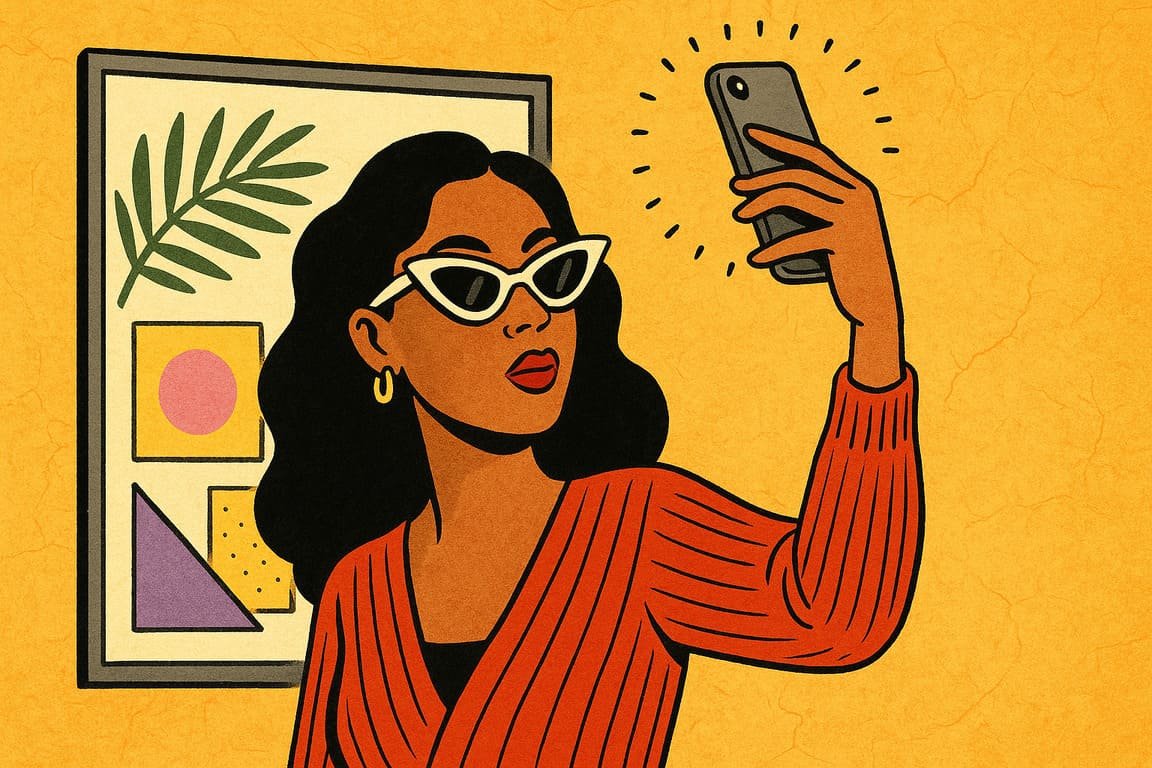
A neon-lit loft in Brooklyn thrums with the sound of camera shutters, screens flickering to life as stylists dart between racks of statement jackets and luminous sneakers. Framed by the city’s night glow, an influencer named Luca posts a single image: one hand clutching a cold can, its label an explosion of color and cryptic symbols. Within minutes, followers swarm the feed, not just admiring the pose, but pausing on the graphic. The logo is sharp, the palette electric, the composition somehow more than chance. In this era, design is the message, not the afterthought. Graphics do not decorate a feed—they drive the fame machine.
No one here mentions algorithms or engagement rates, but every detail is engineered for maximum effect. The creative director, Imani Reese, huddles with her team, analyzing which icons travel fastest from screen to street. She grins when their custom sticker appears in the background of a viral dance. The new aesthetic is less about hard selling, more about coded invitation—a language of design that only the digital in-crowd can read. Each swipe, scroll, and share builds reputation brick by pixelated brick.
Somewhere in this shuffle, brands become cults. Graphics mutate from mere visuals into social currency. The right color block or glitch effect on a limited-edition sneaker can spark bidding wars across continents. One streetwear label’s minimalist icon, conceived at 2 a.m. by a sleep-deprived intern, pops up in music videos and airport lounges. It’s no accident: this is guerrilla marketing, cloaked in the glamour of “just another post.”
You are living in the crossfire of this visual arms race. Your feed is a gallery, a battleground, a mirror. You might think you’re immune, yet your brain tallies every logo, every sticker bomb on a skatepark wall, every perfect grid. As you scroll, the language of fame whispers: this font means rebellion, that motif signals exclusivity. Suddenly, you feel the urge to screenshot, to tag a friend, to join the club.
Fame is not luck—it’s architecture. The design code for influencers is precise, ruthless, and evolving. To play the game, you start studying which hues pop on tiny screens, which avatars stand out in a sea of stories. You realize a single smart graphic can leapfrog months of content. That’s how unboxing videos turn simple gadgets into viral legends. You crave the rush of recognition, the small thrill of your post being “on brand” and instantly understood by strangers.
Stories of micro-influencers erupting into stardom often hide a secret: behind each meteoric rise is a design mind pulling the strings. Take Ava Lin, whose “bubble text” overlays made thrifted outfits look like runway couture. Followers mimicked her style, and soon, global brands scrambled for collabs. It wasn’t just luck or looks. It was Ava’s design signature—quirky, consistent, never accidental—that built a visual empire.
Graphic strategy isn’t about shouting louder. It’s about timing, taste, and targeting. The right meme template or filter, the subtle echo of a trending shape, turns content into currency. You begin to see the matrix behind it all: the thumb-stopping geometry, the nostalgia-tinged gradients, the sticker that looks effortless but took ten failed drafts to perfect. Fame follows those who craft their story with as much discipline as any musician or chef.
You want to go viral? You must become a curator of your own myth. This means more than filter choices or mood boards. It’s about building rituals—recurring symbols, color signatures, secret in-jokes—that fans cling to like a code. The reason everyone remembers the first “VSCO girl” or the iconic Off-White stripes is because they hit repeat on their visual language until the world caught up. It’s not just repetition. It’s the slow burn of recognition turning into obsession.
Major brands don’t leave design to chance, and neither do influencers with staying power. They A/B test stickers, switch up layouts, and analyze the data lurking in likes and shares. Yet the best still manage to make it feel spontaneous. That’s the paradox of viral fame: every look is calculated, every graphic has a job, but the magic is in making the plan look like play.
The deeper you go, the more you realize that graphics are not the side dish—they are the main event. If you want to break out, your visuals must carry subtext, attitude, and context. They must leap out of the frame and land in the culture. You are not just posting content. You are choreographing influence, line by line, color by color.
Designers who partner with influencers know the stakes. Take the case of digital artist Remy To, whose “hacked logo” campaign for a beauty startup generated such a frenzy that fans started making their own versions, flooding feeds for weeks. This is the hidden power of graphics: once unleashed, they spread like rumors at a festival—contagious, addictive, unstoppable.
Every scroll is a test: can your visual story survive the speed and noise of the timeline? Can it become the new shorthand, the viral inside joke, the spark that sets trends ablaze? Fame is not what it used to be. It is built on a thousand tiny graphic decisions, each one a silent ambassador.
Long after the party ends and the lights fade in the loft, the images live on, pulsing through networks across the globe. Imani leans back, watching her phone light up with another repost, her graphics living new lives in unknown hands. The world’s memory now flickers with her codes, her signatures, her story written in pixels. Under the city’s neon haze, followers wake, hungry for the next clue, the next graphic, the next taste of fame.
You carry the code now—will you write your story, or just repost someone else’s dream?
