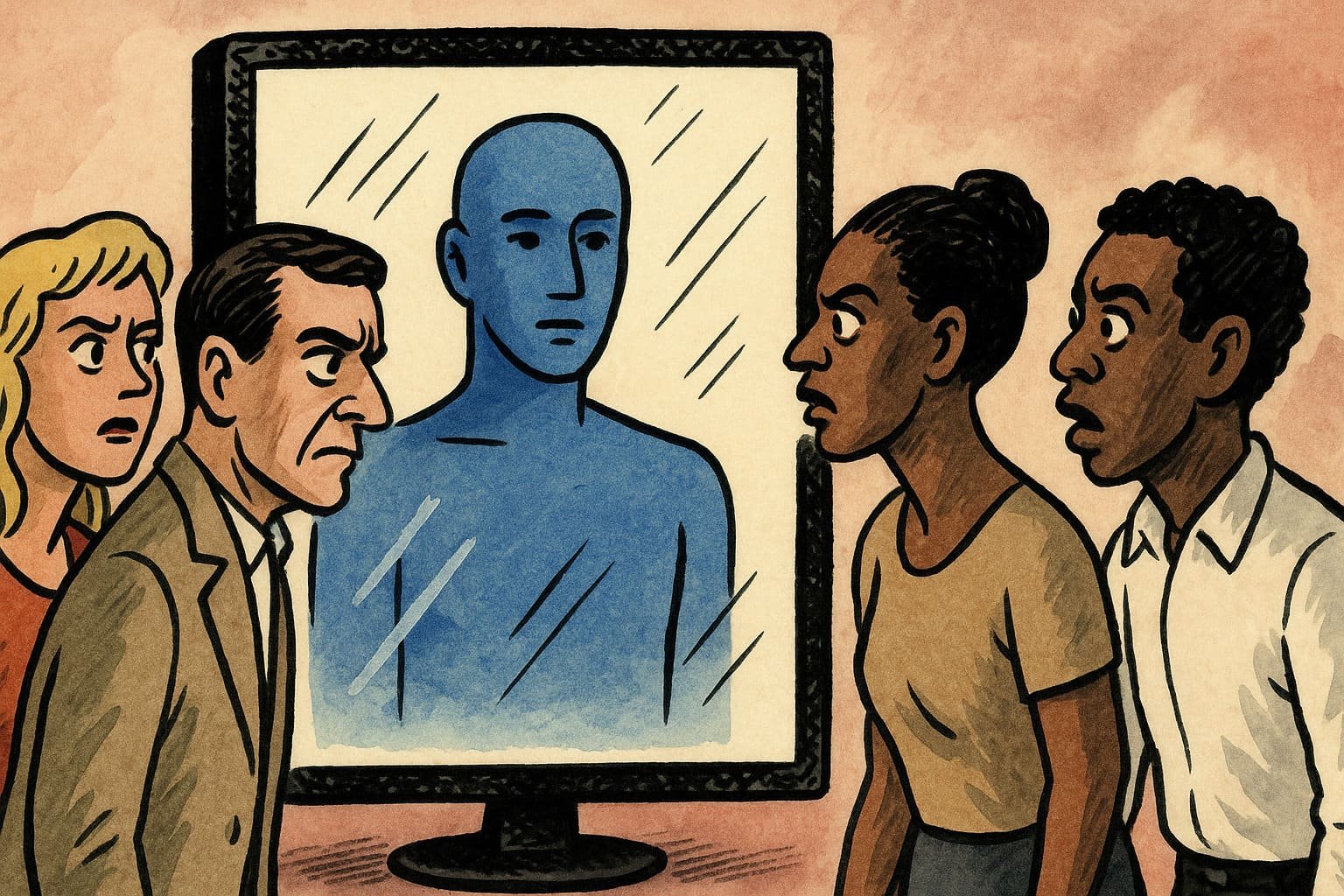
Cracked mirrors lined a silent corridor where every reflection seemed perfectly accurate until each face lingered a heartbeat too long. Visitors smiled, frowned, adjusted their posture, then glanced away with faint unease, sensing that observation had quietly become participation. No machine uttered a judgment. None was necessary. Artificial intelligence has become a remarkable mirror, reflecting habits, preferences, language, and decisions so precisely that people increasingly discover themselves through software before recognizing themselves through lived experience.
Every transformative technology has revealed hidden parts of humanity, but artificial intelligence exposes patterns once invisible even to their owners. Recommendation engines reveal recurring interests. Writing assistants uncover thinking habits. Predictive models identify purchasing behaviors before conscious decisions fully emerge. These systems do not invent human tendencies from nothing. They amplify signals already present, transforming scattered digital footprints into startlingly coherent portraits. Reflection, once reserved for philosophy or conversation, now arrives through computational analysis performed at extraordinary scale.
NVIDIA helped accelerate this transformation by providing the computing power behind modern artificial intelligence, while Salesforce embedded intelligent assistance directly into customer relationships to improve decision making rather than simply automate tasks. During a leadership workshop, strategy director Leila noticed an AI assistant consistently highlighting communication blind spots shared across executive emails. Initial skepticism faded after independent reviews confirmed similar conclusions. Technology had not exposed hidden flaws through magic. It simply revealed patterns too familiar for colleagues to notice anymore.
That realization changes how organizations understand leadership and culture. Companies increasingly examine collaboration patterns, workflow bottlenecks, and customer interactions through intelligent analytics that uncover invisible organizational habits. Microsoft’s workplace research has repeatedly shown that communication overload often reflects structural issues rather than individual shortcomings. Businesses embracing these insights thoughtfully strengthen performance because they treat artificial intelligence as a diagnostic instrument instead of an unquestionable authority. Mirrors reveal conditions. They should never replace judgment about what deserves change.
This shift reaches far beyond boardrooms. Students refine essays with intelligent feedback before submitting assignments. Doctors combine clinical expertise with predictive tools that highlight overlooked possibilities. Designers test creative ideas against generative systems that challenge familiar assumptions. Each interaction quietly demonstrates a profound truth. Artificial intelligence often teaches less about machines than about people. Every recommendation, correction, prediction, and generated response reflects countless human decisions embedded within data, design, incentives, and cultural priorities accumulated across many years.
Starlight shimmered across a calm lake where every reflection vanished the instant gentle ripples crossed the surface, reminding every observer that even the clearest image never becomes the person standing beside it. Artificial intelligence will continue revealing astonishing insights about behavior, ambition, creativity, and decision making. Yet every reflection remains an invitation rather than a verdict. Look into that mirror with courage, then choose to become more than any algorithm could ever predict.
