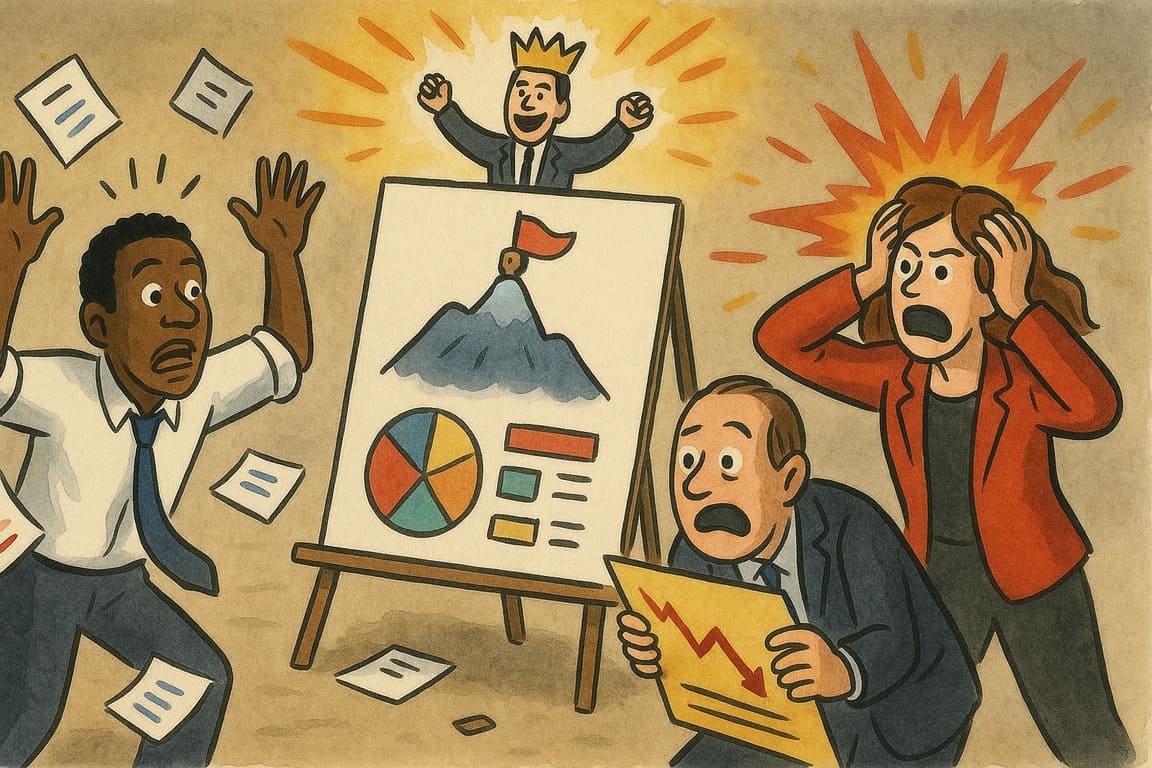
A haze of anticipation clings to the conference center’s high ceiling. Product banners jostle for space in a kaleidoscopic storm, but only one display commands a line out the door—a mosaic of flashing panels telling a story in images before a word is spoken. Faces in the crowd flicker with recognition and delight. Even rivals steal glances, quietly conceding defeat. In this arena, sales don’t begin at the register. They erupt the moment a visual story disrupts routine, leaving buyers spellbound, wallets at the ready. Each scene, every color and line, is a battle cry. The real chaos starts where graphics ignite imagination.
You know when you scroll through a feed or wander a trade show, only to be stopped cold by one arresting visual? That isn’t an accident. Graphics are today’s sales agents—wordless, persuasive, loaded with intent. They don’t just show products; they invite audiences into mini-worlds of meaning. When a visual story clicks, you don’t need persuasion. Curiosity and desire do all the selling.
Think of the instant connection sparked by National Geographic’s iconic yellow border or the first time you encountered a Nike campaign exploding with attitude. These weren’t just ads. They were stories that bypassed skepticism, shifting the sales conversation from “Why buy?” to “How soon can I have it?” Great brands treat every graphic like an open door. Each image is a portal, crafted to sweep viewers into a narrative arc that ends with a sale.
Let’s talk about Sarah, an independent bakery owner in a crowded market. She swapped generic food shots for a photo series charting her bread’s “journey from seed to sourdough.” With each post, sales soared. Shoppers felt the process, the care, and the story in every loaf. Sarah didn’t shout about quality—her graphics made customers crave her story, then her bread.
Science backs this up. The human brain devotes more resources to processing images than text. That’s why graphics command attention and why most viral campaigns are visual first, copy second. Netflix doesn’t show paragraphs about new shows—they flood your screen with stills and cinematic teasers that pull you into a new obsession before you realize it. The sales happen on sight.
Not every visual story needs blockbuster budgets. Sometimes, a single, clever graphic can tip the scales. A fintech startup once animated a cartoon squirrel hoarding coins to explain their micro-savings app. It triggered a surge in signups because it made people laugh and remember the promise. Humor, surprise, and narrative combine to create the most effective sales weapons in the digital arsenal.
Competition for attention has never been fiercer. Scrolling past a thousand posts or navigating endless aisles, buyers demand instant proof that a brand is worth their time. Only graphics with emotional hooks—fear, hope, nostalgia, rebellion—survive the cut. Look at Spotify’s annual “Wrapped” graphics: data transformed into visual confetti, turning every user into a storyteller and brand advocate.
This is the era of micro-storytelling. You have a few seconds to convince, delight, and invite. Brands like Airbnb leverage local imagery and guest photos, turning global travel into a relatable, personal adventure. Every picture builds the brand, one memory at a time, creating loyalty that can’t be bought with coupons or discounts.
Consider the emotional punch of color. Red triggers urgency, blue creates calm, yellow sparks optimism. Leading beauty brands invest in color psychology to ensure every visual cue makes shoppers feel, not just see. Sephora’s palette changes across seasons, using subtle shifts in background tones to prime customers for new launches and limited editions.
Personalization is the new battleground. Audiences want to see themselves in the story. Smart retailers use user-generated images and graphics tailored to local trends, making every customer feel like part of the narrative. ASOS built a loyal following by spotlighting real customer photos, letting graphics speak with a thousand unique voices instead of a single corporate one.
Behind every viral campaign, there’s a team obsessed with detail. From layout to iconography, from typography to texture, each element is calibrated for impact. Google’s Doodle team is legendary for its obsessive iteration, crafting stories in a single logo to mark everything from historic moments to random holidays. The result is emotional resonance that turns everyday visitors into lifelong fans.
Great graphics don’t sell products. They sell belonging. The best visual stories hand the customer a role in the brand’s world. Think of how Lego’s packaging and ads spark creative adventures or how Glossier’s visuals celebrate individuality. When the customer sees their own journey reflected in the graphics, chaos turns into commitment. They buy not just what’s for sale, but what the brand stands for.
Nothing replaces authenticity. Audiences have developed a radar for fake or forced visuals. Only honest, story-driven graphics cut through. Patagonia’s raw, unpolished environmental campaigns are loved precisely because they feel real. Audiences crave the unfiltered, the honest, the emotional.
When graphics become the main event, sales don’t trickle in—they erupt. The brands that master visual storytelling are not just winning customers. They are changing what it means to sell, replacing hard pitches with a simple truth: if you want chaos, let your story be seen before it’s ever heard.
Beneath the faded echo of applause, a single banner remains lit on the expo floor, vibrant and alive in the hush after chaos. The characters from its story linger in every mind, replaying moments of surprise, laughter, and desire. In that stillness, the crowd’s memory sharpens—no one recalls the loudest sales pitch or the biggest discount. Only the story told in pixels, colors, and lines. In the end, you hold the final frame: will your graphics start the next sales riot or get lost in the noise?
