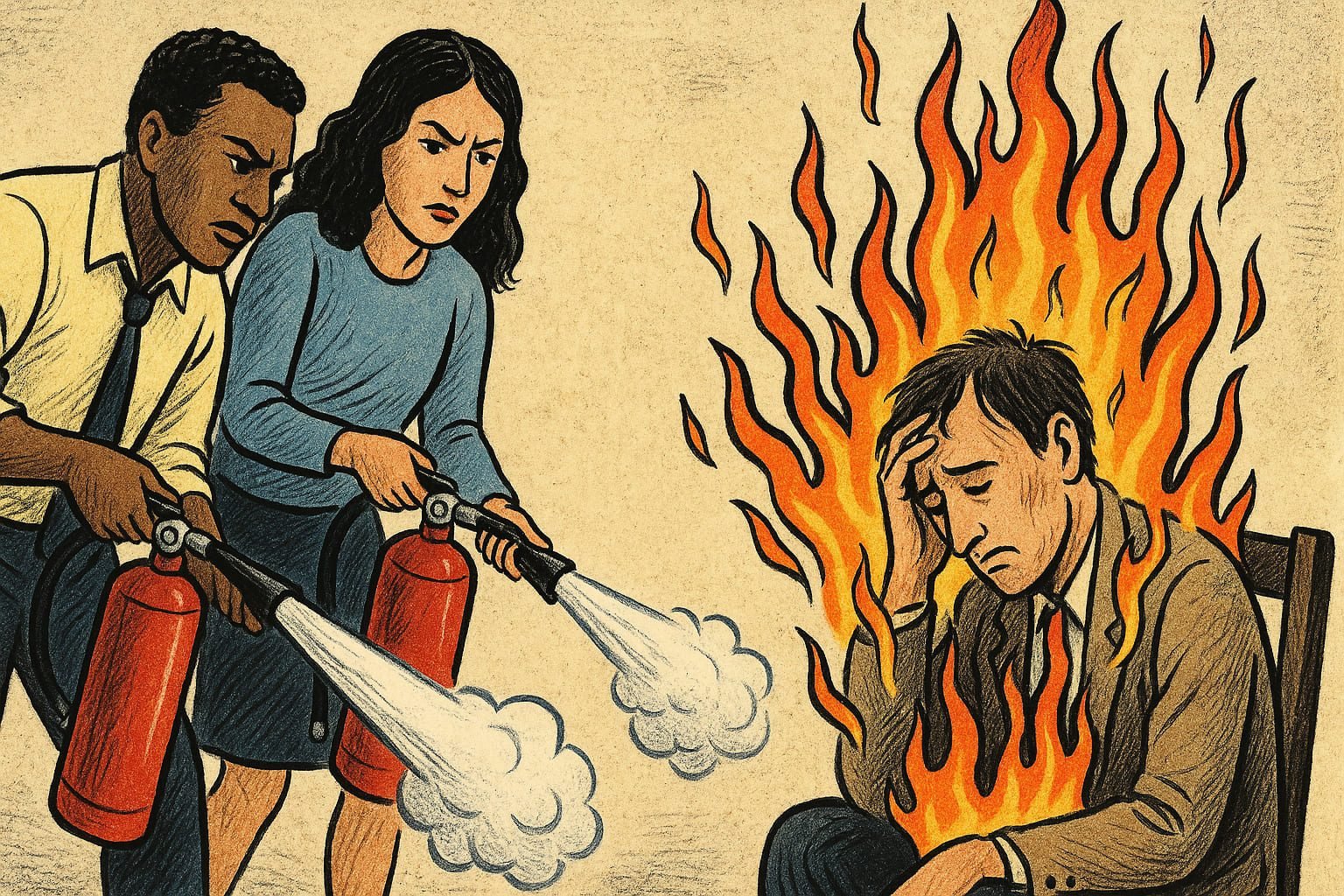
Burnout doesn’t knock. It seeps in slowly, stealing your energy, joy, and identity one drained moment at a time. You’re not lazy. You’re not broken. You’re running on an emotional overdraft in a world that glorifies productivity over peace. You wake up tired, chase deadlines like ghosts, and wonder when your life stopped feeling like your own. If this sounds even remotely familiar, you’re not alone. This isn’t weakness. It’s a warning. Your soul’s whispering something urgent, and this might be the most important article you read today.
Before it completely silences you, let’s identify the signs, understand the why, explore human stories behind this silent epidemic, and carve out a soulful roadmap that helps you rise from this ash with purpose, power, and peace.
Quick Notes
- Burnout Hides Behind Productivity: Most people battling burnout are high-achievers pushing beyond their limits without realizing the cost until it’s too late.
- Modern Work Culture Glorifies Exhaustion: Hustle porn and grind culture romanticize stress, masking it as ambition, leaving people emotionally bankrupt.
- Healing Demands Reconnection: Recovery isn’t about a spa day. It requires radically realigning with values, setting boundaries, and rediscovering lost passions.
- Escaping Burnout Requires Courage: Saying ‘no,’ redefining success, and walking away from toxic systems are acts of rebellion and self-preservation.
- You Deserve a Life You Don’t Need a Vacation From: Burnout recovery is not about doing less. It’s about doing what matters, sustainably and joyfully.
Burnout Isn’t Laziness: It’s a Slow Soul Death in Disguise
Every day, people confuse burnout for lack of motivation or discipline. In truth, it’s the body and soul refusing to tolerate chronic stress. Burnout is a full-body protest when the spirit has had enough of being ignored. You’re not ungrateful for your job or weak for wanting rest. You’re a human being whose needs have been neglected in a system that demands superhuman output.
Sara, a marketing executive at a Fortune 500 company, once loved pitching ideas. But after years of 14-hour days and no real recognition, she began crying during meetings. Her creativity dried up. She wasn’t lazy. She was bleeding out from the inside, and nobody noticed. Burnout doesn’t come with a siren. It arrives camouflaged in “just tired” until it’s a collapse.
High performers are often the most vulnerable. They push harder, say yes more often, and internalize pressure until their internal flame flickers out. We don’t talk enough about the invisible toll of constantly performing while quietly unraveling. Burnout hides behind smiling selfies and productivity metrics. By the time it surfaces, the damage is deep.
Chronic fatigue, cynicism, and disconnection are just the start. Left unchecked, burnout corrodes relationships, dismantles confidence, and steals hope. It alters brain chemistry, affects memory, and leads to anxiety or depression. Spotting it early isn’t just wise. It’s life-saving. Reclaiming your spirit starts with calling burnout by its real name: a wound of the soul.
The Myth of Grind Culture: Worshiping Work Until It Kills Us
The modern world idolizes hustle. We wear overwork like a badge of honor, confusing busyness with worth. Burnout thrives in environments that shame rest and celebrate the “no days off” mentality. This glorification of struggle disguises itself as ambition but often leads to disillusionment.
Case in point: David, a tech startup founder, boasted about sleeping four hours a night. His business grew, but his marriage collapsed, and his health deteriorated. He had millions in revenue but felt like a stranger in his own life. The grind made him successful, but at what cost? When work becomes worship, everything else becomes a sacrifice.
Toxic productivity convinces people that slowing down is failure. But exhaustion isn’t a metric of success. It’s a symptom of imbalance. Systems that reward burnout are not broken; they were built this way. The answer isn’t working harder. It’s redefining what thriving means.
People don’t just need time off. They need autonomy, purpose, and permission to be whole outside of work. Employers must recognize that happy, balanced employees are more innovative, loyal, and fulfilled. The antidote to burnout isn’t caffeine. It’s compassion.
We must challenge cultural narratives that link hustle with heroism. It’s not brave to break yourself. It’s brave to protect your peace.
Warning Lights: When Your Mind and Body Start Screaming
Burnout rarely begins as a dramatic breakdown. It starts subtly: forgetting passwords, dreading small tasks, or feeling numb during activities you used to enjoy. These early warning signs are often dismissed as “just stress,” but they signal something much deeper.
Rebecca, a teacher with 12 years of experience, began having migraines every weekend. Her body knew what her mind denied: she was deeply depleted. Her spark for teaching was smothered under administrative overload, oversized classrooms, and emotional labor. When your joy dries up and your body rebels, it’s not just stress. It’s your inner world demanding change.
Physical symptoms like insomnia, chest tightness, and digestive issues are common. Mental symptoms include irritability, hopelessness, and disconnection. These are not quirks to ignore. They are flares your body sends out when your lifestyle is unsustainable.
Many turn to distractions; Netflix, wine, mindless scrolling, hoping to escape the crushing fatigue. But healing doesn’t come from numbing. It begins when we pause long enough to feel and reflect. Silence becomes the gateway to truth.
Burnout speaks when we finally listen. It begs us to realign our time, energy, and attention with what actually matters. Recognizing the signs is the first act of rebellion. The second is choosing to respond.
Burnout Recovery Isn’t a Spa Day; It’s an Identity Rebuild
Escaping burnout requires more than temporary relief. You don’t heal from chronic depletion by taking a weekend off. Recovery is a process of reimagining your life; your identity, your values, your boundaries. It’s soul-deep work.
Kevin, a lawyer who left a prestigious firm, didn’t just quit his job. He quit being the person who believed his value was tied to billable hours. He traveled, volunteered, and eventually opened a bakery. For the first time in years, he felt alive. Burnout didn’t ruin him. It rerouted him.
Restoration demands letting go of perfectionism, people-pleasing, and toxic loyalty. These patterns often lead to burnout in the first place. To reclaim yourself, you must stop proving your worth and start honoring your truth.
Daily rituals matter: journaling, movement, connection, creative play. But so does inner excavation. Why do you ignore your needs? Who taught you that rest is weakness? What would it mean to trust your body’s wisdom? These are the real questions.
True recovery isn’t about doing less. It’s about living differently. The goal is not balance; it’s alignment. When your life reflects your deepest values, burnout loses its grip.
Write a New Script: Build a Life That Nourishes, Not Depletes
You can’t always quit your job or move to Bali. But you can rewrite the script you’ve been handed. That begins with radical self-honesty. If your daily life feels like slow death, change isn’t optional; it’s essential.
Burnout recovery involves hard boundaries, uncomfortable conversations, and redefining success on your terms. It might mean saying no to promotions, yes to therapy, or learning how to disappoint others without betraying yourself. Growth is messy, but it’s sacred.
Bethany, a single mom and nurse, stopped picking up extra shifts out of guilt. She started painting again and joined a book club. She wasn’t less productive. She was more human. Her joy returned not through grand gestures, but through permission.
Build a life you don’t need to escape. Anchor your routines in joy. Surround yourself with people who don’t just clap when you win, but hold you when you crumble. Burnout recovery isn’t linear. But every boundary, every pause, every act of self-respect is a brick in the new foundation.
Ask yourself: If my peace was a non-negotiable, what would change? Then start changing it.
Your Soul’s Not Dying: It’s Awakening
You were never meant to run on empty, serve from a broken spirit, or define your worth by productivity. If your soul feels tired, let that exhaustion become your compass. It’s pointing you back to yourself. Burnout isn’t the end. It’s a sacred invitation.
A new chapter begins the moment you say, “I deserve more than this.” That whisper? It’s your comeback song. It’s your spirit staging a rebellion. Rebuilding won’t be easy, but it will be worth it. Let burnout be the fire that forges the real you.
You don’t have to burn to be bright. You just have to remember: You are already enough.
So now, ask yourself; Are you surviving your life, or are you living it? Because one of those will heal you. And the other will destroy you. Choose wisely.
Partnered. Provocative. Worth Your Scroll.
This is a Promoted Post by ESYRITE—yes, it’s paid, but never filtered. Our voice stays raw, real, and razor-sharp. We team up with bold ideas, game-changers, and stories that spark something real. If it’s here, it earned its place—no fluff, just impact. We don’t just promote—we provoke. Stay sharp. Dive deeper.
