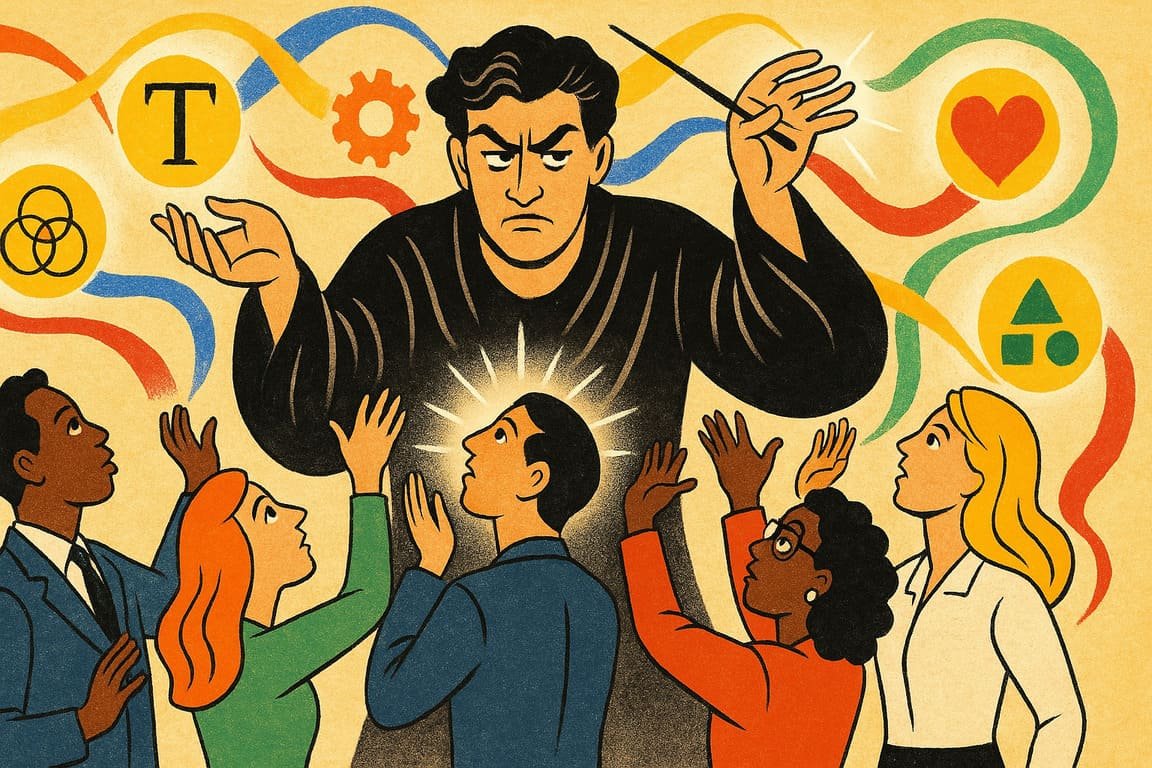
A low-lit creative studio pulses with quiet tension. Six colored cards sit arranged on a worn wooden table, each bearing a single word: Space, Color, Type, Movement, Contrast, Unity. The air thrums as a team of designers circles, arguing, sketching, pushing boundaries late into the night. Outside, the world blurs past in a rush of deadlines and data, but here time slows. The secret is not in chasing trends but in mastering the flow—the six elements that silently govern every act of design. Around this table, legends are born, and so is the spell that pulls eyes, hearts, and wallets toward unforgettable work.
A fictional creative director named Luca Torres remembers the first time he discovered design flow. He was a rookie, lost in a tangle of fonts and gradients, stuck on a campaign for a local record shop. A mentor watched him struggle, then wordlessly rearranged his layout, tapping each element like a conductor summoning music from chaos. “Design is rhythm,” she whispered. “And rhythm is everything.” That moment rewired him. From that night, Luca knew he wasn’t just making visuals—he was building an experience, note by note.
Design flow begins with Space—the pauses, silences, and breaths between elements. Imagine walking into an art gallery where every painting hangs inches apart, each with room to breathe. The same goes for digital design: generous margins, open backgrounds, and deliberate emptiness create calm, focus, and confidence. The world’s most iconic brands, from Apple to Chanel, have mastered the art of nothingness. The empty space becomes a stage for meaning.
Next is Color, the emotional current running through every project. A single splash can lift moods, trigger memories, or signal urgency. Think of Coca-Cola’s red, Tiffany’s blue, or the subtle gradients in Airbnb’s palette. These choices aren’t accidents; they are calculated cues that guide how people feel, react, and remember. Luca, ever the rebel, once switched a campaign’s color scheme on launch day, igniting a social frenzy. Fans debated, critics raged, but the product sold out. The lesson stuck: Color is a lever for emotion, not just decoration.
Type, the art of letters, holds quiet power. Fonts are voices—some whisper, some shout, some sing. Designers agonize over whether to use a bold sans serif or a delicate script, knowing a single typo can break trust or undermine authority. A bank once rebranded its entire app after customer research revealed that its old font made users feel anxious. The new typography brought calm, clarity, and a measurable uptick in trust. Words matter, but how they appear matters just as much.
Movement animates design, creating anticipation and surprise. Think of the ripple when you tap a button, or the gentle slide of a notification. Movement is storytelling in motion. Snapchat’s ghost dances, Netflix’s previews tease, and even the humble loading spinner reassures that something’s happening behind the curtain. These small moments bring interfaces to life, rewarding users for every action.
Contrast is where drama lives. It’s black against white, sharp lines meeting curves, light colliding with dark. High-contrast design demands attention and helps guide users to what matters most. Luca’s breakthrough campaign for a sports brand used brutal contrast to spotlight every muscle, every bead of sweat, every ounce of effort. The result? Engagement soared. The tension between difference and harmony is what makes design unforgettable.
The final element, Unity, ties everything together. Unity is the invisible glue, the sense that every part belongs, nothing feels random. It’s why some brands can remix their colors, fonts, or layout a hundred ways and still be instantly recognizable. A famed museum in Amsterdam rebuilt its visual identity around unity, making every exhibit, sign, and ad feel like part of a single grand story. Visitors felt it, even if they couldn’t explain it.
These six elements do not work in isolation. The magic lies in their interplay—how space frames color, how type anchors movement, how contrast sharpens unity. In every project, designers become conductors, tuning each part until the whole sings. When something feels “off,” it’s usually because one of these six is out of sync.
The world’s most admired creative teams keep these elements close, not as rules, but as tools. When LEGO redesigned its global packaging, teams ran endless experiments, swapping layouts and color schemes, testing which combinations drew the biggest smiles from kids and parents alike. The winning designs didn’t just look good—they felt right, hitting all six notes in harmony.
Even outside design studios, the power of flow changes everything. An indie café once struggled with customer confusion—menus cluttered, signs unreadable, mood erratic. A local designer applied the six principles, bringing unity and rhythm to the space. Business boomed. Customers lingered, posted photos, told friends. The café became a destination, not by adding more, but by making every element work together.
You don’t need to memorize jargon or chase trends to use these elements. Anyone can harness their power—teachers arranging a classroom, entrepreneurs building a pitch deck, even families redecorating a living room. The core principle is the same: seek rhythm, balance, and purpose. Genius hides in the arrangement, not the ingredients.
Design flow is not magic, but it does create magic. It’s the hidden order behind the things that stop you in your tracks, the reason you remember some brands forever while others blur and vanish. The six elements are the invisible hands shaping your world.
A lone street musician taps a rhythm on overturned buckets, drawing a crowd from the swirl of the city. There’s no orchestra, just six notes, repeated and remixed. Yet people stop, listen, and feel something shift. Across the plaza, a poster catches the afternoon light. Every space, color, letter, and shadow falls into place, holding the crowd in a silent trance. In this moment, flow is not a theory—it’s an experience shared by everyone who pays attention.
A young artist, watching from the edge, sketches the scene. Tomorrow, her design will stop strangers in their tracks. She knows, now, the secret: six elements, endless possibility, one rhythm that binds them all.
You hold the same tools, waiting for your touch. Will you let your ideas scatter, or will you master the flow and build something unforgettable?
