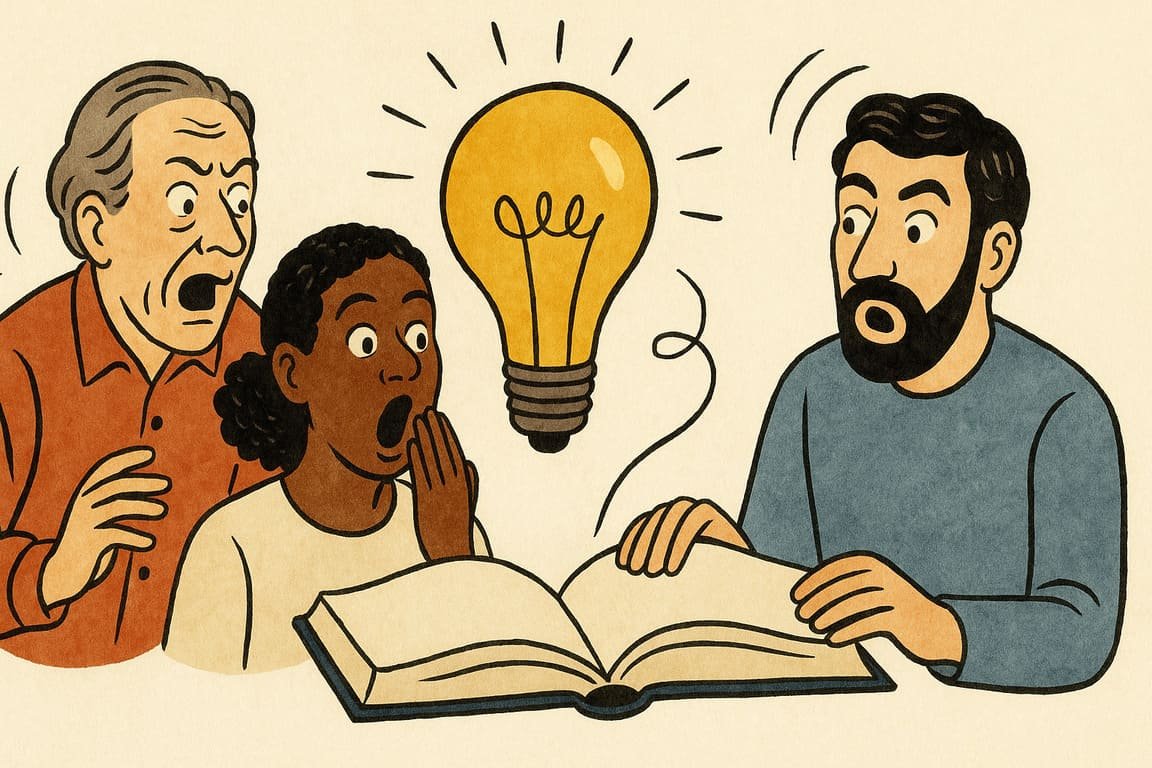
The city’s creative quarter wakes before the sun, neon graffiti casting electric shadows over tired sidewalks. In a loft crammed with sticky notes and old coffee cups, a young designer draws inspiration from everywhere—ancient myths, viral memes, late-night subway conversations. Meanwhile, in a quiet office across town, a seasoned executive stares at a blank whiteboard, paralyzed by the pressure to deliver something groundbreaking. On the other side of the world, a forgotten inventor unlocks a storage unit, dusting off prototypes, hoping this time the world is finally ready to listen. Here, at the crossroads of chaos and possibility, the most jaw-dropping case studies begin.
You chase creativity like a moving target, never quite sure if it’s a flash of genius or a trick of the light. The spark can come from a museum visit, a startup’s overnight success, or a chef remixing tradition with a dash of the absurd. Take Dyson, for example. The founder, James Dyson, built over five thousand prototypes before inventing the first bagless vacuum. His relentless tinkering—mocked at first—sparked a revolution in an industry stuck on autopilot. The lesson is clear: creativity often hides behind mountains of failure.
Imagine Pixar’s journey. Before it became the gold standard for animated films, its team spent years chasing breakthroughs in digital rendering. The story behind “Toy Story” isn’t one of overnight magic, but of risk, countless scrapped ideas, and the willingness to bet everything on a talking cowboy and a neurotic astronaut. When the film finally launched, audiences marveled at what was possible, and a new era of storytelling began. You don’t have to animate blockbusters to learn from this: relentless curiosity and a refusal to play it safe often lead to breakthroughs.
Sometimes, creativity emerges in the ordinary. In a tiny bakery in Paris, the owner, Amélie, grew tired of tossing unsold croissants every evening. Rather than accept the loss, she teamed up with a neighboring artist to offer “paint and pastry” workshops. The result? Sold-out classes, an explosion of new customers, and a viral social media moment. Creativity isn’t always about invention; sometimes, it’s about seeing opportunity in the overlooked and discarded.
You can see sparks of inspiration in the unexpected. Lego, once teetering on the edge of collapse, revived its fortunes by embracing user-generated content and launching Lego Ideas, a platform where fans submit new set concepts. One teenage designer’s idea for a miniature NASA rocket went viral and became a best-seller. This reversal wasn’t just a corporate win—it was proof that creativity flourishes when everyone is invited to the table.
Think of the surge in online fitness during lockdowns. Companies like Peloton and Mirror reimagined how people move and connect, blending technology with community. Their breakthrough wasn’t just in hardware, but in understanding human psychology: gamification, social accountability, and daily micro-rewards. The spark wasn’t a fancy feature, but a new way to tap into motivation and belonging.
At times, a crisis is the mother of invention. During a heatwave, an Australian air conditioning company launched a hotline for quick DIY fixes and troubleshooting, instead of pushing for immediate sales. Customers felt heard, loyalty soared, and the brand became the talk of summer. The message: when you solve real problems in real time, your creativity earns trust, not just attention.
Creativity’s secret ingredient is empathy. When a Kenyan fintech startup, Tala, realized many clients were anxious about mobile lending, they redesigned their app with friendlier icons, local language support, and an in-app chat for reassurance. Loan approvals rose. The jaw-dropping outcome wasn’t in the code, but in the courage to truly understand and serve people. That’s how creativity moves from theory to results.
Every creative leap starts with a question. “What if?” Netflix, originally a DVD rental service, risked everything to pivot into streaming. The gamble looked reckless, but it unleashed a wave of new content, viewing habits, and business models. When you dare to ask the uncomfortable questions, you set creativity free.
You hold this power, too. Maybe you’re a teacher rethinking online lessons, a developer rewriting app code in the midnight glow, or a marketer rebranding a campaign that fizzled. The jaw-dropping stories aren’t reserved for unicorn founders. They’re written by anyone willing to try, fail, learn, and try again—no matter how crowded or cynical the world feels.
Creativity isn’t always glamorous. Sometimes, it’s gritty, fueled by coffee, doubt, and deadlines. The difference between “interesting” and “jaw-dropping” is often a matter of persistence and the guts to ignore doubters. When the world expects routine, the ones who dare to be ridiculous—to remix, mash up, and break what isn’t broken—become the new legends.
Dawn creeps over the creative district, painting golden stripes across cluttered desks and worn notebooks. In every corner, the echoes of last night’s wild ideas mingle with hope for what comes next. A single spark, ignited by a question or a stubborn refusal to quit, keeps the fires of invention burning.
Creativity isn’t an accident. It’s a chain reaction, fueled by real people with real flaws, who choose wonder over resignation.
If today handed you the chance to try one wild idea, would you take it?
