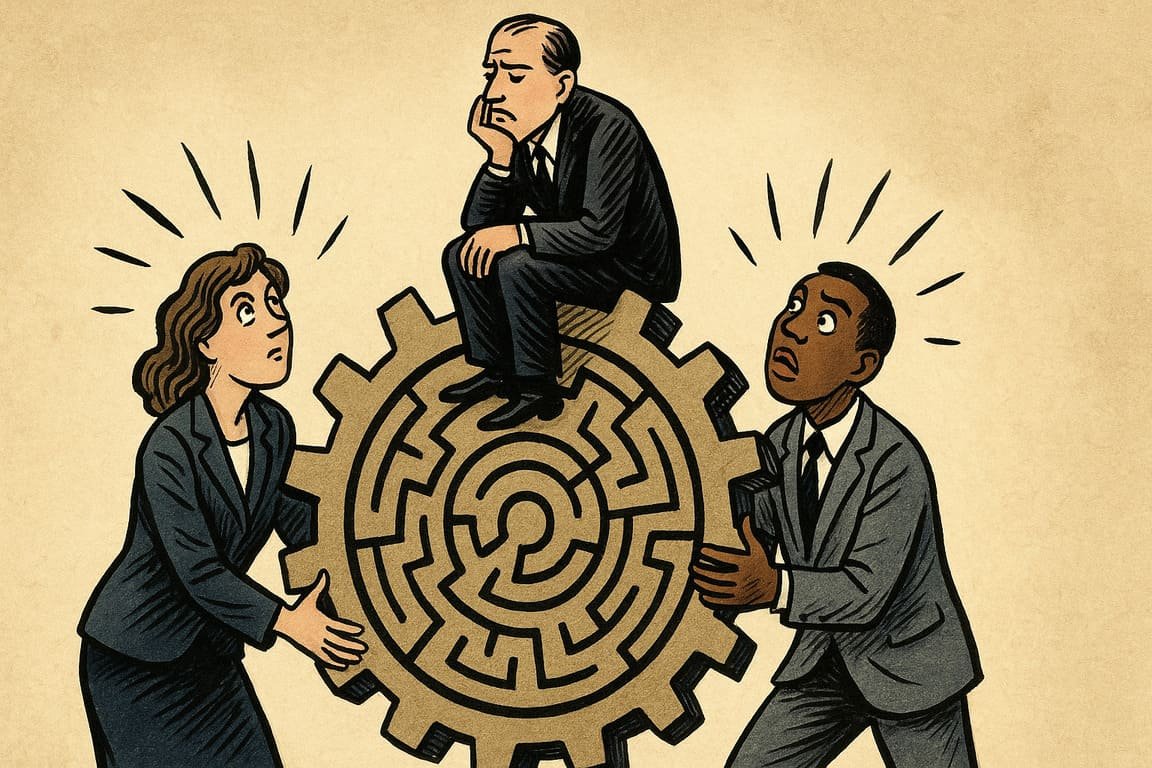
A cavernous office filled with unpacked boxes and the distant clang of construction sets the stage for a transformation. Project leads scan tablets, nervous laughter echoing down hallways as screens flicker with setup wizards and welcome prompts. A wall clock ticks in the background, relentless and unforgiving. In this moment, the promise of an ERP system hovers like a prophecy: seamless processes, unified data, the end of siloed chaos. But every eye betrays caution. They know legends of ERP failures—multi-million dollar misadventures, careers ended by a single botched migration. Here, in this raw and vulnerable state, the core principles behind implementation are the difference between mythic success and public defeat.
You stand at the crossroads where every decision matters. The foundation of ERP victory isn’t magic; it’s radical clarity of purpose. Before a line of code is written, the smartest organizations obsess over one question: what must this system accomplish? When a Nairobi-based manufacturing group, Solaris Mills, mapped every pain point with ruthless honesty, their ERP journey started on solid ground. The clarity spared them from feature bloat and made every dollar count. Without this principle, projects stumble blindly, lost in technical weeds.
The next principle is leadership. Champions matter. Success stories always feature a project sponsor—a leader who unites the skeptical, funds the essentials, and absorbs the blame when timelines slip. At Solaris Mills, COO Rina Nyaga became that champion, holding standups every morning, listening to night-shift complaints, and advocating for honest feedback. Her visible presence turned doubters into allies and a feared transition into a collective mission. Without this principle, ERP rollouts become orphans, with no one fighting for their survival.
Ownership is the third pillar. ERPs thrive when users become creators, not just passive recipients. Early training, real-world test cases, and sandbox play sessions turn staff into system advocates. At a Nairobi hospital, IT director Kamau invited nurses and administrators to break the new system, discover bugs, and invent shortcuts. Their discoveries led to workflow tweaks that saved hours each week. This sense of ownership made adoption natural, and complaints rare.
Communication drives every phase. No one survives an ERP project alone. When a regional retailer launched their new system, daily email bulletins and “Ask Me Anything” sessions turned confusion into momentum. Surprises shrank, buy-in soared, and resistance softened as people felt heard and informed. ERP horror stories often trace back to silence: the absence of updates, the failure to address fear. Open channels are the lifeblood of successful transformation.
Patience and persistence close the circle. Even the smoothest implementation suffers glitches, slowdowns, and pushback. Solaris Mills hit a wall when their supply module glitched mid-harvest—orders froze, tempers flared. But the team’s resilience, rooted in their shared vision, carried them through the storm. They tracked every issue, iterated quickly, and celebrated each hard-won victory. The project became a rallying point, a story retold with pride at every company anniversary.
You see that the most durable ERP successes come from organizations willing to revisit and refine. When Kenya Agro Foods found staff clinging to spreadsheets, leaders doubled down on coaching and feedback, not punishment. They tweaked interfaces, built custom dashboards, and rewarded those who embraced change. Gradually, resistance faded and digital workflows became the new habit.
A hidden secret: most ERP wins are quiet. No viral videos or splashy headlines—just deadlines met, budgets respected, and staff able to go home on time. Yet beneath the calm, the return on investment grows steadily. Inventory gets leaner, payroll runs smoother, customers notice better service, and growth follows almost as an afterthought.
The biggest risk is believing that software alone brings transformation. Technology is only as strong as the culture that wields it. The organizations that treat ERP as a tool for human empowerment—listening, adjusting, sharing credit—are the ones whose systems endure, evolve, and turn investment into legacy.
As the last email of the day is sent, the office quiets. Stacks of manuals and checklists sit beside glowing monitors, silent proof of a battle well fought. On a bulletin board, Rina’s handwritten thank-you notes pin down memories of frustration and triumph alike. The system hums quietly, blending into the daily rhythm of the company—proof that transformation isn’t a single moment, but a living story. What will your legacy be: another cautionary tale, or the system everyone wants to inherit?
Partnered. Provocative. Worth Your Scroll.
This is a Promoted Post by ESYRITE—yes, it’s paid, but never filtered. Our voice stays raw, real, and razor-sharp. We team up with bold ideas, game-changers, and stories that spark something real. If it’s here, it earned its place—no fluff, just impact. We don’t just promote—we provoke. Stay sharp. Dive deeper.
