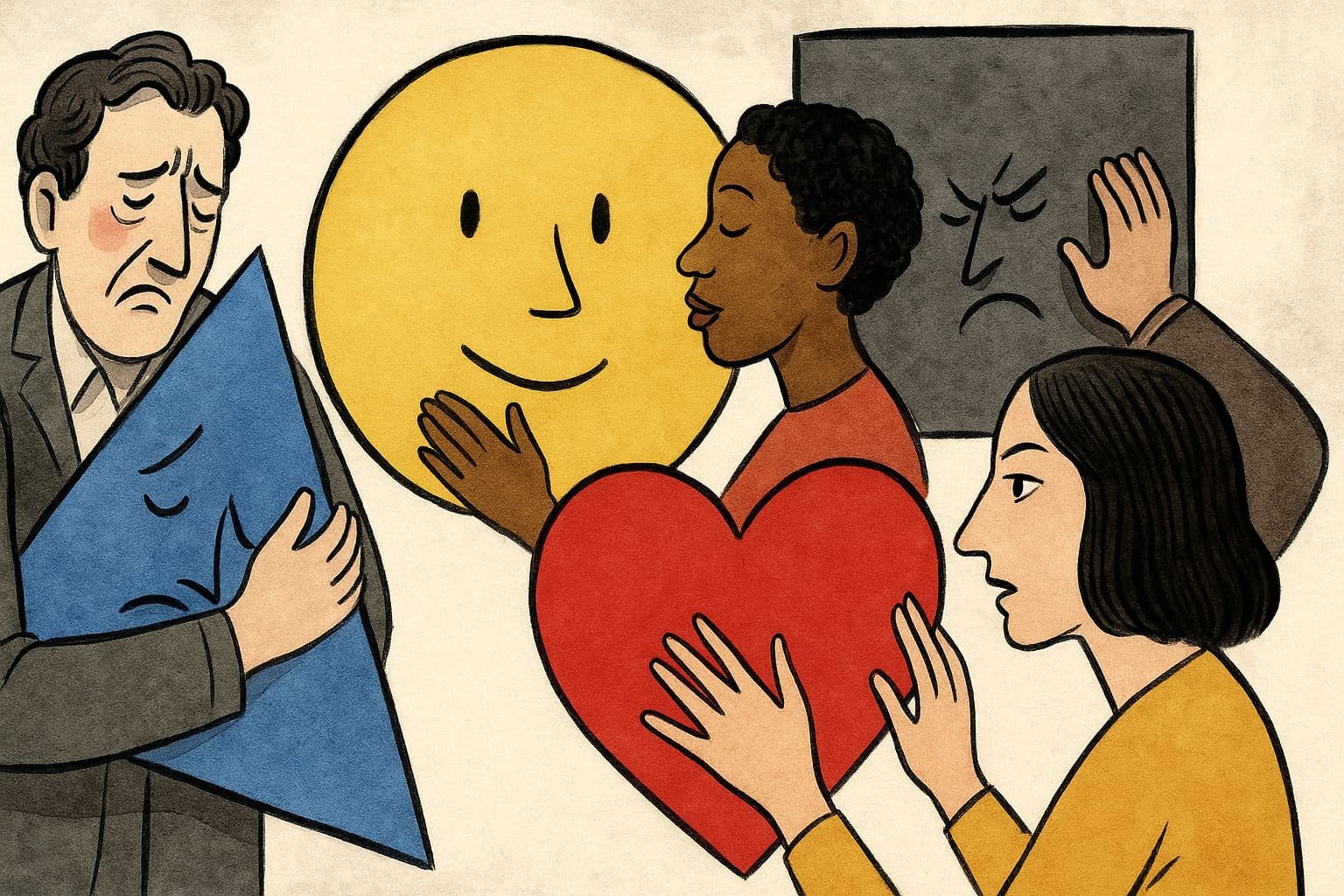
A cold, white room pulses under fluorescent lights. At the center stands a chair—spindly, angular, almost threatening in its geometry. A young designer watches a woman approach the seat, hesitating, fingertips grazing its sharp edge. The air vibrates with a strange charge, as if invisible equations hover between the chair’s lines and the woman’s guarded posture. Everyone in the room waits for her to decide: Will she trust this shape with her weight, her mood, her story? The answer arrives not as words, but as a shifting expression on her face—a flicker of tension, then release, then an unexpected smile that seems to break the rules of physics. That’s the secret magic of design: behind every line and curve lies a question for your soul.
Designers obsess over angles, curves, and colors, chasing some invisible algorithm that whispers to the heart. In boardrooms, creative teams argue about the emotional resonance of a single line on a smartphone icon or the slope of a countertop in a luxury kitchen. People think design is about beauty, but the truth is messier: it’s geometry laced with feeling, a logic puzzle where the answer is always how you feel. You never sit on a bench or swipe a screen without your soul being tugged, twisted, or, just maybe, healed.
Stories of emotional geometry haunt the history of art and business. When Steve Jobs demanded the iPhone’s corners curve “just so,” his engineers nearly quit, but he understood what few do: the human brain reads curves as safe, inviting, even loving. At Pixar, animators sketched hundreds of versions of a lamp until it felt not just alive, but lovable—a feat no straight edge could deliver. These aren’t just tales for designers. They’re parables for anyone who wants to move people, build trust, or shape culture in a world racing toward the virtual.
Geometry, at its wildest, can start revolutions. In 1970s Italy, Ettore Sottsass and his Memphis Group rebelled against modernist grids by smashing rules, painting tables in riotous stripes and zigzags that made critics fume and buyers fall in love. More quietly, the designers of meditation apps sweat over the shade of blue for a single notification dot, knowing the wrong hue can trigger anxiety instead of calm. The emotional geometry of design is not a trend—it’s a code wired into every brain, every brand, every story.
Look close and you’ll see geometry lurking everywhere, shaping the way you move, buy, and feel. The heartbreakingly slim curve of a wedding ring, the fortress-like angles of a bank’s lobby, the playful, rolling shapes in a children’s book—all send messages that bypass logic and whisper to the ancient parts of your mind. This isn’t magic. It’s the science of meaning, the art of feeling, and the secret script of business and life.
If you want to crack the code, keep reading. The next move you make could depend on a curve you never noticed.
Quick Notes
- Shape Holds Power: Geometry in design manipulates trust, joy, and memory faster than any slogan or brand story. It’s not decoration; it’s psychological leverage hiding in plain sight.
- Every Line Is a Message: From apps to airports, every angle, curve, and negative space tells a story that your body feels before your mind catches up. This invisible messaging creates loyalty—or anxiety—without you realizing it.
- Contradiction Is the Secret Sauce: The best designs mix sharp tension and soft comfort, borrowing from jazz, chess, and classic film noir. It’s the human blend of chaos and order that makes you crave a product, space, or experience.
- Rebellion Sparks Emotion: Iconic creators, from the Memphis Group to Apple, won hearts by breaking rules and making geometry emotional, not functional. True innovation comes from daring to bend the lines.
- Soulful Design Heals: Design that moves you isn’t about perfection, but resonance. The geometry of empathy, vulnerability, and memory shapes healing environments, powerful brands, and even love stories.
Angles, Curves, and the Hidden Language of Trust
Walk through a busy train station, and geometry stalks you in silence. Triangles form warning signs, circles promise safety, and long, low rectangles whisper efficiency. You trust a rounded elevator button more than a square one, even if you never pause to wonder why. That’s the silent contract designers make with your instincts every single day.
No one knew this better than Charlotte Perriand, whose furniture for Le Corbusier’s studios shaped the psychology of comfort in modern offices. She placed gentle curves in hard metal, creating a paradox: a steel chair that feels like an embrace. Her philosophy still fuels brands like Herman Miller, which obsess over backrests and lumbar support, engineering trust into every ergonomic line.
People don’t fall in love with products, they fall in love with the feeling of being understood. Nike’s swoosh, for example, is not just a checkmark. Its fluid shape taps the ancient geometry of running, speed, and flow, speaking directly to every aspiring athlete’s longing for movement and momentum. It’s a logo that runs laps around language.
Yet not all shapes comfort. Brutalist architecture—a trend that rose from post-war anxiety—uses brutal, jagged concrete forms to evoke strength and survival. Critics call it cold, but for survivors, these spaces became sanctuaries, reminding them that resilience often means learning to live inside tough angles.
The science is sneaky. A study at the University of Toronto found that people consistently prefer curved objects over angular ones, citing feelings of safety and pleasure. But ask someone why they chose the curvier option, and they’ll rarely know. Geometry slips under the radar, building trust in every subconscious choice you make.
When Geometry Gets Emotional—Why Chaos Trumps Control
There’s a peculiar thrill in a room that breaks its own rules. Imagine a bar in downtown Tokyo, walls undulating like waves, every angle breaking rhythm, defying order. Here, chaos isn’t a glitch—it’s an invitation to let go. People flock to such spaces, hungry for the unpredictable, the non-linear, the feeling that anything could happen.
Designers at IDEO, the legendary innovation firm, discovered this long ago. They filled brainstorming rooms with playful, asymmetric furniture, knowing that a rigid grid stifles creativity. Employees found themselves thinking more boldly, their minds echoing the playful lines under their feet. Geometry shapes not just what you see, but what you imagine.
Emotional geometry is not about symmetry, but surprise. Pixar’s animators famously use “off-model” sketches in early storyboards—slightly crooked eyes, odd-shaped mouths—to build characters that are lovable because of their imperfections. Audiences don’t remember perfect symmetry; they remember quirks, flaws, the hint of a story hiding in a wonky smile.
Brands that master emotional chaos can trigger viral loyalty. Just ask the team at Supreme, who turned the unpredictability of their product drops and mismatched store layouts into an addiction. The visual chaos of limited editions and clashing patterns creates not just hype, but a primal rush—geometry as dopamine.
It’s not just for the young and restless. Even hospitals now use biophilic design, installing winding paths and irregular light patterns to soothe patients’ nerves. The healing power of messy, organic forms beats sterile rectangles every time. The geometry of chaos, when carefully shaped, is the architecture of hope.
Geometry in Branding—The Emotional DNA of Icons
Step into the glossy world of luxury brands, and geometry whispers secrets from every angle. The Chanel logo’s interlocking Cs play a visual duet—never quite touching, always implying motion and connection. This isn’t random. Designers spent months obsessing over millimeters, knowing the right gap creates desire, anticipation, a kind of visual foreplay that keeps shoppers coming back.
For brands, geometry becomes destiny. The triangular prism of Toblerone’s packaging isn’t just a nod to Swiss mountains; it signals exoticism, adventure, and the thrill of something different. Your hands remember shapes longer than your mind does, and brands exploit this memory to keep their products glued to your subconscious.
Inside every great brand story lurks a geometric trick. Coca-Cola’s famous ribbon, curving through decades of advertising, promises refreshment and freedom with a single stroke. It’s no coincidence that Disney’s castles spike upward in gentle parabolas, promising dreams that soar. Even McDonald’s arches—once mocked for their garish color—now dominate skylines, signaling comfort and reliability through their soft, encompassing curve.
Brands that ignore geometry pay the price. When Gap famously tried to “modernize” its logo with a boxy, forgettable design, customers revolted. The emotional backlash forced a public apology and a hasty retreat to curves and familiarity. Geometry, it turns out, is the ultimate brand loyalty hack.
Sometimes, the boldest moves come from outsiders. Virgil Abloh, founder of Off-White, disrupted fashion by slicing and crossing traditional lines—literally. His diagonal stripes and asymmetric grids turned streetwear into a cultural phenomenon, blending rebellion and order in a way that made followers feel seen, not just sold to.
The Healing Power of Design—Geometry for the Soul
Hospitals rarely inspire hope. Harsh lights, cold tiles, and rigid symmetry create a landscape of fear. But in the past decade, architects like Michael Murphy at MASS Design Group have started a revolution. Their hospitals in Africa use curves, soft corners, and flowing courtyards to make patients feel safe and valued. Nurses whisper that even the most anxious children relax faster, as if the walls themselves are giving a hug.
The healing isn’t just in hospitals. Google’s campuses in California use circular meeting rooms and snaking walking paths to lower stress and boost creativity. Employees say the shapes themselves spark unexpected conversations and ideas, leading to breakthroughs that rigid office cubes could never unlock.
Geometry heals not just bodies, but minds. Schools in Finland use color-coded, organic floor plans to help children with anxiety find calm. Each classroom opens into a central hub shaped like a sunburst, subtly signaling belonging and optimism. Teachers notice that students become more engaged and empathetic, proof that learning environments can literally reshape a child’s emotional reality.
At home, the power of emotional geometry often goes unnoticed. Consider the story of Rhea Malik, a Mumbai-based interior designer who rebuilt her childhood bedroom after her father’s death. She chose circular rugs and undulating wallpaper, creating a cocoon that helped her grieve. “It was like the room was breathing with me,” she told a local paper, “giving me space to feel everything.”
Even in public spaces, designers are starting to treat geometry as a tool for mental health. Parks in Singapore use meandering, organic paths instead of grids, giving city-dwellers the gift of unpredictable exploration. Regular visitors report not just higher moods, but a lasting sense of adventure and possibility.
Flipping the Script—Rebel Geometry for a New Age
The next frontier of design won’t look like the past. Already, rebel architects and tech founders are using geometry as a weapon against conformity. In Berlin, co-working startup NovaHaus covers its walls in fractals and non-repeating patterns, creating a dizzying sense of freedom that helps members break creative blocks. “People come in with their old problems and leave thinking in wild new ways,” says founder Lukas Kirsch.
Digital designers are getting in on the act. Duolingo’s viral owl mascot uses ovoid, wobbly shapes to trick your brain into trusting a robot. The lessons feel less like homework and more like play, all because of lines you barely notice. Geometry in apps is no longer about order; it’s about emotional persuasion.
Rebel geometry can also challenge power. The Hong Kong protests saw artists project fluid, morphing shapes onto buildings to undermine surveillance cameras. It was a visual rebellion—a reminder that geometry isn’t just decorative, but deeply political. The right shape, at the right moment, can topple a regime or start a movement.
Art galleries now celebrate the unpredictable. In New York’s MoMA, interactive installations by Tania Bruguera use shifting floors and moving walls to keep visitors off balance, demanding engagement. These spaces don’t just invite feeling; they insist on it, proving that design can be a form of activism.
If you want to make your mark, forget following rules. The new leaders in design are the ones who dare to bend, twist, and break the grid. Their shapes may not fit the mold, but they fit the soul.
When Curves Become Courage
A child traces the looping pattern of a stained glass window as sunlight scatters across the floor, coloring her face in fragments of blue and gold. In that hush, geometry stops being a science and becomes a language—one that names hope, loss, and everything in between. Across town, a tired entrepreneur runs her fingers along the edge of her coffee mug, feeling the comfort of a circle after a night of harsh decisions. Somewhere, an architect leans against a rail on a rooftop, watching the city’s straight lines blur into a sea of gentle arcs as dusk falls.
Walls rise and fall. Moods shift with the shadows on the floor. But what lasts is the feeling that someone, somewhere, shaped these lines to hold you, challenge you, heal you. Geometry is not just math—it’s memory, it’s risk, it’s an invisible embrace in a crowded world.
The greatest designs outlive their creators. They slip past reason, into ritual, anchoring dreams to reality. Every curve is a risk. Every angle is a promise.
You hold more power than you think. The next line you draw could heal a heart, start a revolution, or change the world. So what will you shape—fear, or love?
